
Psychological Effects of Cannabis
- by Prestoncannabisclub
- 3 minutes
Cannabis and Mental Health
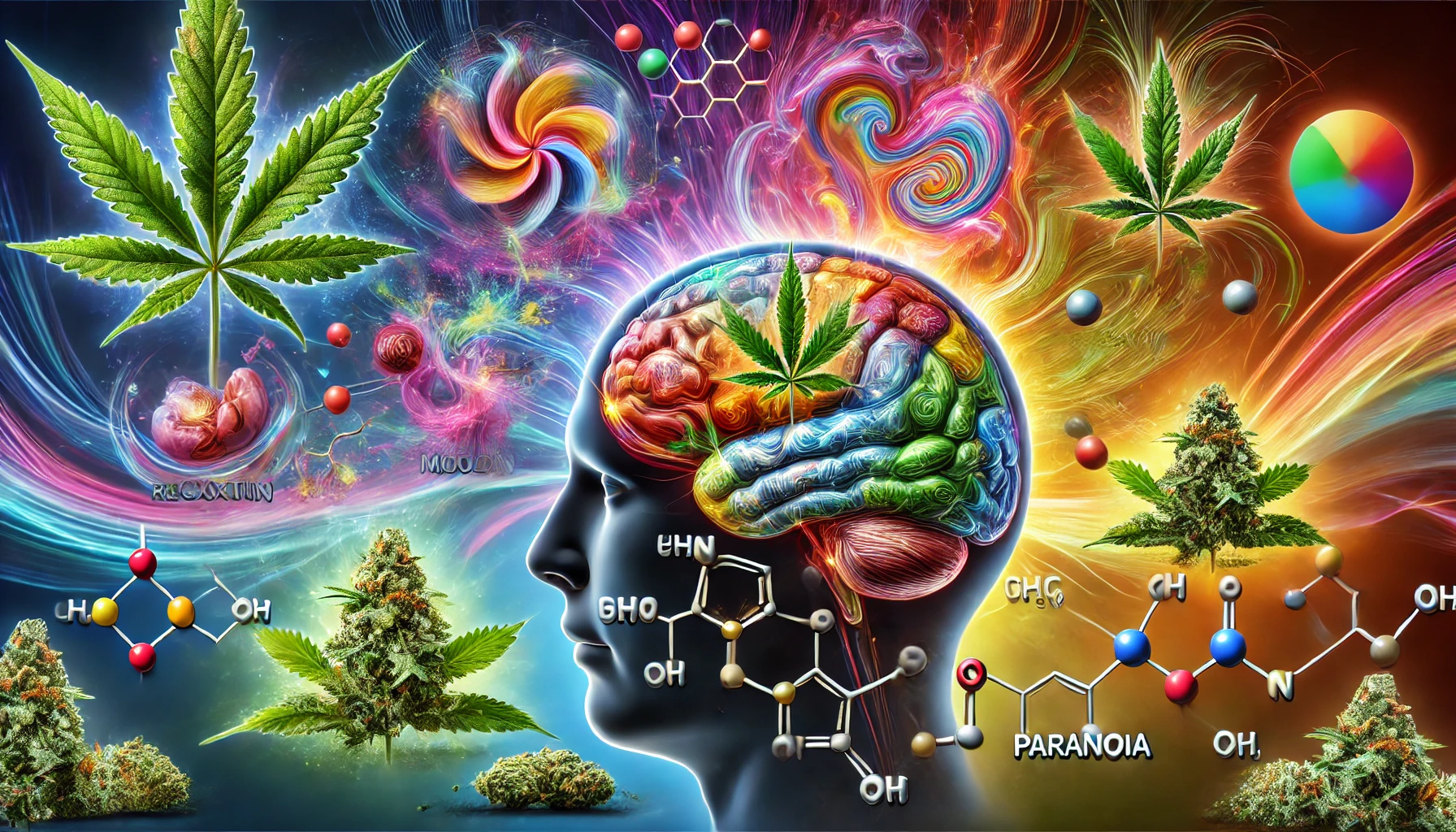
Cannabis contains several psychoactive compounds, the most notable being THC (tetrahydrocannabinol), which is primarily responsible for the drug’s psychological effects. Understanding how these components interact with the human brain is crucial for grasping the potential benefits and risks associated with cannabis use.
Psychological Effects
In the short term, cannabis is often sought for its immediate psychological effects such as heightened mood, increased relaxation, and an altered perception of time. Users often report feeling a euphoric high that can enhance sensory experiences making colors seem brighter and music more vivid. However, not all immediate reactions are positive. Some individuals may experience increased anxiety, paranoia, or even panic attacks, which highlights the complexity of cannabis’s effects on an individual’s mental state.
The long-term psychological effects of cannabis are a growing concern, especially with increasing accessibility following legalization in various regions. Studies suggest that prolonged and frequent use of cannabis can lead to significant cognitive changes, particularly affecting memory, attention, and decision-making processes. There is also evidence suggesting a potential link between regular cannabis use and an increased risk of developing psychiatric disorders such as schizophrenia, especially in those with a genetic predisposition to the disease.
Cannabis and Its Therapeutic Effects on Mental Health
On the therapeutic front, cannabis has shown promise in treating symptoms of chronic mental health conditions such as PTSD (Post-Traumatic Stress Disorder), chronic depression, and severe anxiety disorders. Medical cannabis is often utilized to stabilize mood and alleviate stress, providing a sense of calm and well-being that can be hard to achieve with traditional medications.
Negative Impact of Cannabis on Mental Health
Conversely, the effects of cannabis on mental health are not universally beneficial. For some individuals, particularly adolescents whose brains are still developing, regular cannabis use can be detrimental. Young users are at a higher risk for addiction and may suffer from disrupted brain development leading to impaired cognitive function and increased susceptibility to mental disorders.
Cannabis Use in Medical Therapy
Within medical settings, the controlled use of medical cannabis can be highly effective. However, it necessitates strict regulations and comprehensive understanding by both patients and healthcare providers to ensure safety and efficacy. Clinical studies continue to investigate the full spectrum of cannabis’ capabilities, weighing its therapeutic potential against possible risks.