Нome » Medical Uses of Cannabis

Medical Uses of Cannabis

how cannabis policy will evolve in the United Kingdom

Hyde park 420 2026 provided a glimpse into how cannabis policy will evolve in the United Kingdom

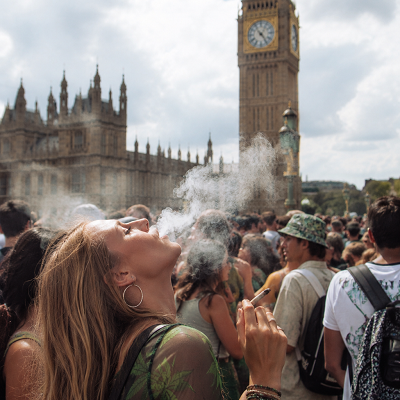
Hyde park 420 2026 provided a glimpse into how cannabis policy will evolve in the United Kingdom For each of the last 25 years, on April 20th the speakers’ corner in london’s hyde park becomes an open air music festival and a large scale political protest. In 2026 this event was no exception; however, the number of attendees, their mood and the overall environment were indicative of the evolving nature of cannabis law reform discussion in the united kingdom. A large Crowdspeak The attendance levels at hyde park 420 have increased Every year since its inception. Attendance at the 2026 event, held on a Monday, reached in excess of tens-of-thousands of people. This represents a clear indication that while hyde park 420 remains primarily focused on providing a voice for long-time cannabis law reform Advocates, mainstream users, medical patients and those simply interested in attending an educational event are becoming increasingly prominent among the crowds. Why does the crowdspeak matter? Political movements tend to grow when they evolve from being viewed by the general public as fringe social gatherings to representing views of average members of society. The growing awareness of medical cannabis access barriers One of the primary themes throughout 2026 hyde park 420 was the presence of medical cannabis patients and medical cannabis patient advocacy organizations. Organizations such as UKCSC and Patientcann utilized the platform to draw attention to current barriers to accessing medical cannabis through the national health service (NHS). A policy based message that clearly addresses issues relevant to all members of society can be more effective than a message solely targeted towards recreational users of cannabis. What does Germany provide to the discussion? In January of 2024, Germany established a framework for regulating cannabis. As a result, uk-based cannabis law reform Advocates now have a real-world model they can reference. It is becoming increasingly difficult for uk-based opponents of cannabis legalization to argue that establishing regulated markets for adults will violate European norms regarding drug laws. What do UK-based cannabis law reform Advocates want? Decriminalization of personal cannabis possession Establishment of licensed and regulated retail markets for adults who wish to purchase or consume cannabis products Expansion of availability of medical cannabis via the national health service (NHS) Elimination of criminal records related to prior convictions for simple possession The Realistic Outlook Factor Current Status Political support for reform Growing but not yet majority Public opinion Consistently shifting toward legalisation Government position No active legalisation legislation Medical access Available privately, limited on NHS Hyde Park 420 doesn’t change laws on its own. But as a barometer of where public sentiment sits — and where it’s heading — the 2026 gathering was quietly significant.
Hyde park 420 2026 provided a glimpse into how cannabis policy will evolve in the United Kingdom Read More »

Gardening & Growing: How To Begin An Outside Cannabis Plant In May

Gardening & Growing: How To Begin An Outside Cannabis Plant In May

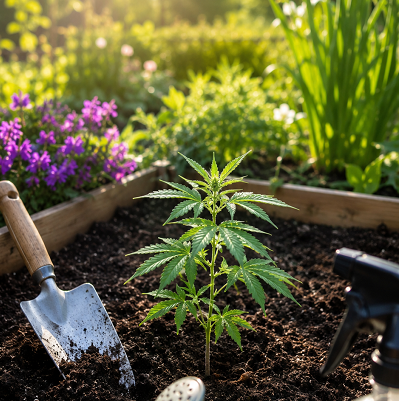
Gardening & Growing: How To Begin An Outside Cannabis Plant In May May is generally considered the best time to begin to grow an outside cannabis plant in the UK. The majority of the frost risk will have gone by now, day length is continually increasing and the temperature will support rapid growth through the spring. Why May Is So Good? Plants that respond to photoperiod (the amount of time they spend under light) are known as photoperiodic plants. They react to changing amounts of light. By starting to grow your cannabis in may, you’re giving your plant all the benefits of long days in the summer months before flowering starts as daylight gets shorter towards August and September. With longer days in veg., you’ll end up with a larger, healthier plant when you put your energy into making buds. Materials Needed For A Successful Start-Up High quality genetics – selecting strains that do well outdoors is vitally important. Strains bred specifically for cooler climates with short flowering periods tend to perform very well. A good growing medium – a nutrient-rich, draining potting mix that includes perlite for air exchange tends to provide good results for most people’s outdoor gardening needs. A south facing location that provides a degree of shelter from winds. Providing maximum sun and protection from wind is crucial for many growers. Fertilizers/ Nutrients – use a high N fertilizer during veg. And switch to a balanced P & K fertilizer as soon as you see flower development beginning. Growing Containers Or Direct Ground Planting – containers allow for greater mobility while direct planting offers unlimited root space. Selecting Strains That Will Work Well In Uk Climates Most strains won’t thrive in UK weather. When looking for strains suitable for UK out doors look for: Strain Type Why It Works Outdoors in the UK Auto-flowering varieties Flower based on age, not light cycle — faster and more predictable Indica-dominant Shorter flowering period, handles cooler temperatures better Mould-resistant genetics UK autumn humidity makes mould resistance genuinely important Things You Must Do In May Start Seeds Indoors First – Germinate indoor seeds then transplant once your young plants are strong and solid and night time temps are reliably above 10 degrees celsius. Gradual Hardening Off Process – Gradually introduce your plants to their new outdoor environment over the course of one week prior to moving them there for the remainder of the season. Provide Consistent Moisture – Because of potential drying conditions in may ensure to monitor your soil moisture daily and apply water to the base of each plant rather than overhead. The Unvarnished Truth While outdoor growing is possible in the UK it requires proper genetics and some patience. While it’s true that our climate isn’t perfect, there are numerous successes reported from around the world regarding cannabis grown in British gardens. Please note this article is for informational purposes only. Please always check with your local authorities to confirm whether or not you can legally cultivate cannabis in your area.

Gardening & Growing: How To Begin An Outside Cannabis Plant In May Read More »

Cannabis And Sleep: Stages, Rem And Why You Forget Most Of Your Dreams

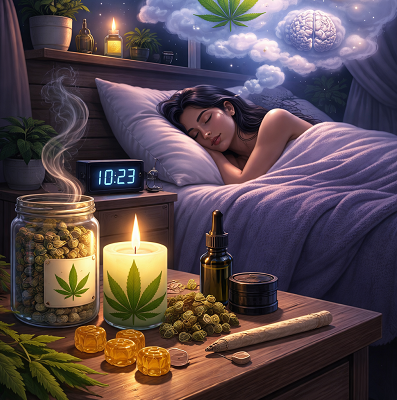
Cannabis And Sleep: Stages, Rem And Why You Forget Most Of Your Dreams Many individuals utilize cannabis to assist in falling asleep faster and achieving better quality rest. Research, however, indicates that cannabis — specifically its primary psychoactive chemical THC — can disrupt the various stages of sleep, including REM sleep, and alter dream recall. In the following article, I will outline how cannabis impacts sleep, the multiple stages of sleep and explain why you will likely have difficulty recalling your dreams after consuming cannabis. Stages of Sleep There are three distinct phases of sleep; light sleep, deep sleep and REM (Rapid Eye Movement) sleep. Each of these stages occur in repetitive cycles throughout the course of one’s sleep. Each cycle generally lasts approximately 90 minutes. Light Sleep (Stage 1 & 2)This is the transitional phase of sleep, when you are transitioning from being awake to being asleep. During this phase, your body begins to relax, your heart beat slows and your breathing becomes slower. Deep Sleep (Stage 3) During this phase of sleep, the body restores itself through muscle repair and tissue repair. The immune system is strengthened and memories are consolidated. REM Sleep:REM (rapid eye movement) sleep is the stage at which most dreams occur. Brain waves are elevated during REM sleep, and it plays a critical role in memory consolidation, emotional control, and learning. Cannabis and Sleep Cycles Research indicates that cannabis — primarily THC — has a considerable effect on the sleep cycle. Although cannabis may aid in falling asleep faster and making you feel more relaxed, its influence on the stages of sleep is more complex than previously thought. Increased Deep SleepStudies have indicated that THC may increase the quantity of deep sleep. Deep sleep is considered the most restorative form of sleep and as such, studies indicate that THC may make users feel more rested upon waking. Reduced REM Sleep One of the most profound effects of THC is its ability to reduce the time spent in REM sleep. The greater the dose of THC used prior to sleeping, the reduced time spent in REM sleep. Many cannabis consumers therefore state that they have fewer dreams or their dreams are less vivid. Reduced REM sleep occurs due to the fact that most of the dreams that occur in the body take place during REM sleep. Reasons You Forget More Dreams When Using Cannabis Users who consume cannabis — particularly THC — often state that they forget more of their dreams. This is largely due to the suppression of REM sleep — the stage at which the majority of dreams occur. In addition to suppressing REM sleep, cannabis also changes the way the brain retains memories. Even though you may have had dreams during your cannabis-induced sleep, they are less vivid or difficult to recall upon waking.Be updated with our blog about weed culture in UK! Role of CBD While THC is proven to suppress REM sleep, some research suggests that CBD — the non-psychoactive component of cannabis — may positively impact sleep quality without suppressing REM sleep as much as THC. Additionally, CBD has anxiolytic (anti-anxiety) properties and may therefore positively impact sleep issues that stem from anxiety.

Cannabis And Sleep: Stages, Rem And Why You Forget Most Of Your Dreams Read More »

Hash vs. Resin vs. Live Rosin — What Are The Differences And Which One Is Most Popular In The Uk?

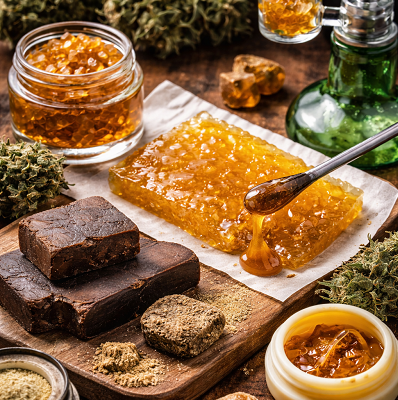
Hash vs. Resin vs. Live Rosin In The Uk Cannabis concentrates such as hash, resin, and live rosin have become extremely popular in the UK. While each cannabis concentrate has its own unique characteristics and benefits, all three offer distinct experiences and benefits to the consumer. Therefore, this article will outline the key differences and similarities of these cannabis concentrates, and also provide an overview of their current popularity in the UK. Hash: Hash is a type of cannabis concentrate that has been around for thousands of years. Hash is created by taking the trichome glands of the cannabis plant and pressing them together to create a solid form. The trichome glands are responsible for containing cannabinoids such as THC. Trichomes are usually removed from dried cannabis flowers through a process known as sifting, or they can be hand-rubbed from the cannabis plant directly. Why is Hash so popular?:Hash is relatively inexpensive compared to other types of cannabis concentrates. It is also widely available and has a rich earthy flavor profile. As a result, hash remains the most popular cannabis concentrate in the UK, largely due to its long-standing history and availability. Resin: Resin is the sticky substance found on the cannabis plant’s trichomes. When trichomes are removed from the bud, they can be processed with solvents to produce a concentrated cannabis product. Solventless resin products are less common and are often referred to as “live resin” products. The resin that has been processed with solvents is generally going to be more potent than the raw resin. Why is Resin so popular?: Resin tends to retain a higher concentration of terpenes and cannabinoids than many other cannabis products. Terpenes and cannabinoids work together to produce a variety of flavors and effects. Many consumers seek out resin products for their intense, complex flavor profiles. Live Rosin: Live rosin is a type of cannabis concentrate that uses no solvents. Instead, the concentrate is created when fresh cannabis (which has been frozen) is subjected to high temperatures and pressures. The end result is a clean, solvent-less cannabis concentrate that retains many of the plant’s original terpenes and cannabinoids. Why is Live Rosin so popular?: While live rosin is significantly more expensive than many other types of cannabis concentrates, many consumers believe that it represents the highest-quality cannabis product. Consumers who value the purest possible cannabis experience and are willing to spend the money to get it may choose to purchase live rosin. Most Popular Concentrate In Britain Hash currently represents the largest share of cannabis concentrates consumed in the UK. However, as live rosin becomes more widely available and more affordable, we can expect to see increased demand for this product. Currently, both live resin and live rosin represent significant shares of the cannabis concentrate market in the UK. Conclusion: Hash continues to dominate the cannabis concentrate market in the UK, however live rosin is quickly gaining popularity. Whether you enjoy the traditional, earthy flavor of hash or the refined, pure flavor of live rosin, there is a cannabis concentrate option available for everyone. Be updated with our blog about weed culture in UK!

Hash vs. Resin vs. Live Rosin — What Are The Differences And Which One Is Most Popular In The Uk? Read More »

Cannabis in Ireland Today: Laws, Medicine and the Legalisation Movement

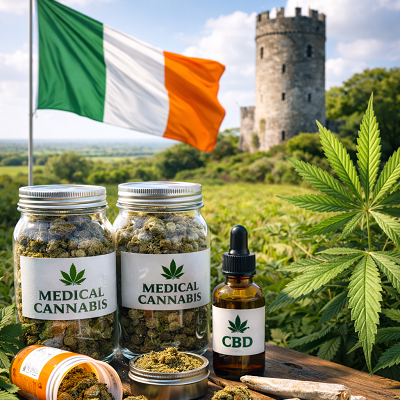
Cannabis in Ireland Today: Laws, Medicine and the Legalisation Movement Cannabis in Northern Ireland today is influenced by laws that punish those convicted of it, changing opinions of the general public, and continuing arguments about legalizing it. Despite having a penalty of jail time or fines to people that are convicted of using cannabis, it is still talked about amongst the public and specifically in relation to how beneficial it can be used medically. The key question is: should cannabis be legalized, and what needs to happen for that to occur? Laws Regarding Cannabis in Northern Ireland Currently, under the Misuse of Drugs Act 1971, cannabis is considered a Class B drug in Northern Ireland. Using cannabis can result in up to 5 years in jail, or an unlimited fine, or both. Using cannabis with the intent to sell it can result in up to 14 years in jail. Even with these severe penalties, individuals are still consuming cannabis recreationally, creating a gray area in terms of legality. These harsh penalties have created public debate about whether the laws surrounding drugs are effective, and fair; and more so now due to increased interest in medical cannabis. Medical Cannabis: Increasing Acceptance In 2018, the UK made medicinal cannabis available to patients who have specific conditions following the case of Billy Caldwell, whose child had very serious seizures. This led to much broader conversations about the possibility of treating a wide variety of ailments using cannabis. Medical cannabis is available by prescription, however, there are many limitations to the availability of medical cannabis in Northern Ireland. Availability is strictly controlled and is limited to conditions such as severe epilepsy, multiple sclerosis, and chronic pain. The medical community is increasingly recognizing the therapeutic potential of cannabis, and specifically cannabidiol (CBD) which is a non-psychoactive component of cannabis. CBD products are widely available in Northern Ireland, and are often marketed as a natural alternative to pharmaceutical medications. While these CBD products are available without a prescription, and contain less than .2 percent THC, they are an important part of the growing recognition of the benefits of cannabis-based medicines. As more studies are done, and public interest continues to grow, the availability of medical cannabis may increase, providing hope to patients that have not seen relief from traditional treatments. Legalization Movement: Shifting Public Opinion There is growing public support for the legalization of cannabis in Northern Ireland. A 2020 poll indicated that almost 50 percent of the population of Northern Ireland supports the legalization of cannabis for medicinal purposes; and many are supporting its recreational legalization as well, although with some restrictions. Organizations, such as the Northern Ireland Cannabis Club, are at the forefront of efforts to reform cannabis policies in Northern Ireland, and are pushing for decriminalization, regulation, and a regulated marketplace for both medicinal and recreational cannabis. Northern Ireland politicians, and specifically politicians from progressive parties, are also speaking out in favor of reform. They argue that a regulated marketplace for cannabis would provide economic stimulus through tax revenue, and reduce the burden placed on the justice system as a result of punishing cannabis users. However, there is continued opposition to the idea of regulating cannabis use in Northern Ireland, and primarily from unionist circles, who express concerns about the potential impact of cannabis legalization on society and public health. Comparison of Northern Ireland to the Rest of the UK and Ireland Although Northern Ireland is behind the curve, neighboring countries in the UK and Ireland are moving forward with their own cannabis reforms. In England and Wales, medicinal cannabis was made available, although recreational cannabis remains illegal. In Scotland, there is a push to allow medicinal cannabis, and the Irish government established a medical cannabis access program in 2019, which allows patients who have specific conditions to obtain cannabis-based treatments. However, access to both medicinal and recreational cannabis remains extremely limited throughout both the UK and Ireland, and both countries are criticized for being too restrictive in their programs. The disparity between Northern Ireland, the rest of the UK, and the Republic of Ireland demonstrates the complexities of politics and law in shaping cannabis policy. As the debate over cannabis legalization continues, Northern Ireland may eventually follow the example of its neighbors and enact changes to its current policies. Future of Cannabis in Northern Ireland It is difficult to predict the future of cannabis in Northern Ireland, but the growing public support for the legalization of cannabis indicates that change may be on the horizon. As more research into the medicinal applications of cannabis is conducted, and as public opinion continues to evolve, Northern Ireland may eventually legalize cannabis for both medicinal and recreational use. With the trend of legalization spreading around the world, Northern Ireland may eventually follow suit and adopt new cannabis laws similar to those in Canada and several US states. For now, the movement to advocate for medical cannabis will continue to advance. If the rate of change continues, Northern Ireland may soon be joining the ranks of other jurisdictions that are re-examining their cannabis laws and finding a balance between protecting public health and the economic benefits of legalization. Regardless of when, cannabis will continue to be a significant issue in Northern Ireland’s politics and social landscape for many years to come.   Stay with our blog about cannabis.

Cannabis in Ireland Today: Laws, Medicine and the Legalisation Movement Read More »

Legal Status of Cannabis in the UK: What Is Legal? What Isn’t?

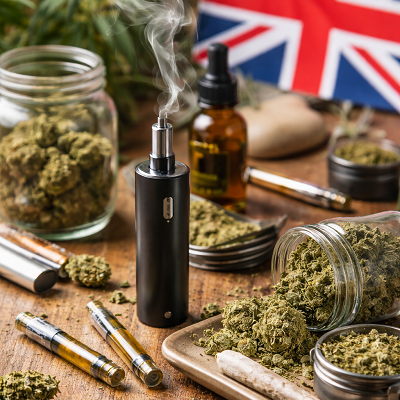
Legal Status of Cannabis in the UK: What Is Legal? What Isn’t? Cannabis vaping is becoming an increasingly popular choice among those who prefer to avoid smoking cannabis. While many areas of the world now allow the use of cannabis, the UK continues to enforce strict cannabis laws and therefore, it is essential to know what is allowed and what may result in a person receiving a fine or being arrested. This article will provide information about the current laws related to cannabis vaping in the UK; discuss the various products available for vaping; explain the health and legal implications of vaping cannabis; and outline the possible health issues and consequences of using cannabis vape products. Cannabis Laws in the UK The UK classifies cannabis as a Class B substance according to the Misuse of Drugs Act 1971. Therefore, it is illegal to either possess, produce, or sell cannabis. There is a distinction however, concerning medical cannabis and CBD products. Medical Cannabis In November 2018, the UK Government legalized cannabis for medical purposes, under specific restrictions. Medical cannabis may be prescribed to patients suffering from a variety of serious medical conditions, including severe epilepsy, multiple sclerosis, or chemotherapy-induced nausea. Medical cannabis may be prescribed in the form of oils, capsules, and vapoured products. However, obtaining a prescription is extremely difficult, and very few patients have managed to obtain them. Vaping medicinal cannabis is only permissible when the product has been prescribed by a licensed doctor, and is used under the close supervision of a medical professional. CBD Vaping CBD products are permitted in the UK as long as they comply with strict regulations. The primary regulation regarding CBD products is that they cannot contain more than 0.2% THC, the psychoactive component of cannabis that creates the “high” associated with cannabis. CBD is generally sold as oils, capsules, edible products, and vape liquids. Provided the product meets the 0.2% THC limit, vaping CBD is perfectly legal. Many individuals use CBD vape pens to enhance relaxation, alleviate anxiety, improve sleep quality, or treat mild pain. As CBD does not create a psychoactive high, it is widely accepted and sold in stores throughout the UK. THC Vaping It is also illegal to vape THC recreationally in the UK. THC is the component of cannabis that induces the euphoric state of being “high.” Purchasing, possessing, or vaping THC products without a medical prescription is illegal. If an individual is found to be in possession of THC vape cartridges or other cannabis products, they may be fined, given a warning by the police, or imprisoned based on the quantity of cannabis they are in possession of and the circumstances surrounding it. The only legitimate method to purchase THC vape products in the UK is by obtaining a medical prescription. Cannabis Vaping Products in the UK There are numerous cannabis vaping products available in the UK, primarily CBD products. CBD Vape Pens and E-Liquids CBD vape pens are a very popular way of consuming CBD. The vape pens utilize CBD-infused e-liquids made from hemp plants. They come in varying concentrations and flavors and are generally advertised as promoting relaxation and wellness. These products contain low levels of THC and therefore do not produce a psychoactive effect, so they are fully compliant with the law. Disposable CBD Vapes Disposable CBD vapes have become incredibly popular because of how easy they are to use. Disposable CBD vapes are single-use devices that are pre-filled with CBD liquids and need no refilling or maintenance. They are ideal for people who wish to try CBD vaping, or those who simply wish to have a hassle-free experience. THC Vape Cartridges THC vape cartridges are common in areas of the world where cannabis is legal, such as Canada and some U.S. states. THC vape cartridges contain highly potent, concentrated THC oil, which rapidly induces a strong high when vaporized. However, in the UK, THC vape cartridges are banned for recreational use. Possession or purchasing THC vape cartridges without a medical prescription can lead to prosecution. Possible Health Risks of Vaping Cannabis While vaping cannabis appears to be a safer option than smoking, it is not entirely free of potential health risks. Potential Health Risks of Vaping Vaping avoids the harmful byproducts of burning tobacco found in smoke inhalation. Nevertheless, inhaling vapors is not a completely safe activity. Certain vape liquids may include additives or flavorings that could irritate the lung tissue. One further area of concern is that the long-term health risks of vaping cannabis are largely unknown. Because vaping is a relatively recent phenomenon, researchers continue to study its long-term health effects. Dangerous Unregulated Products One significant danger in the UK is the existence of unregulated vape products. Inadequate THC vape cartridges that were purchased from unauthorized vendors may include hazardous contaminants like pesticides, heavy metals, or synthetic additives.   Stay with our blog about cannabis to know more.

Legal Status of Cannabis in the UK: What Is Legal? What Isn’t? Read More »

How to Read Cannabis Product Labels (THC %, Terpenes & More)

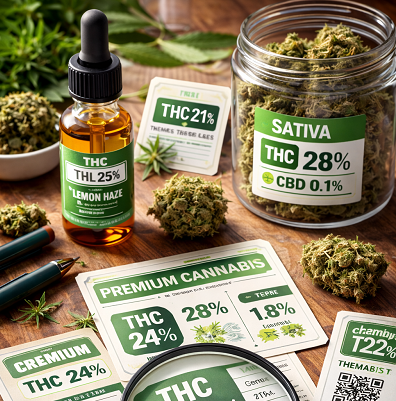
How to Read Cannabis Product Labels (THC %, Terpenes & More) It is possible to read cannabis products’ labels like a pro by knowing what to look for. Cannabis product labels may seem simple at first — they generally include the product name, THC percentage, and possibly some flavor notes — however, if you understand what you are looking at, they can provide a significant amount of information regarding the products’ quality, effect, and potency.The following article provides a detailed overview of all of the major components of cannabis product labels THC % THC is the most well known active ingredient in cannabis. In addition to being psychoactive, THC has a wide range of additional effects including euphoria and memory distortion. However, while THC is an important component of cannabis, it is not the only consideration when determining the strength of a product.  How do you determine THC percentages? 10–15% THC: Generally considered to be a lower potency product and suitable for beginners with low to moderate tolerance. 15–25% THC: A general “every day” product and is likely to be considered “strong”. 25%+: Generally considered to be a very potent product and can produce a strong and potentially unpleasant effect. For oils (vape/concentrates): Oil typically contains 60–90%+ THC due to its highly concentrated nature. A higher THC percentage does not always equate to a more pleasant or desirable product. Higher THC products can be less balanced and therefore easier to overdo. THC percentage should be used to evaluate the potential strength of a product and not necessarily how smooth, enjoyable, or right for you the experience will be. CBD and minor cannabinoids CBD is another major cannabinoid found in cannabis that can help reduce the psychoactive properties of THC. CBD can also be used to enhance the therapeutic properties of THC. In addition to CBD, other minor cannabinoids that may be found on cannabis labels include: CBG (described as a clear head) CBN (marketed for nighttime) Other minor cannabinoids such as CBC, THCV, etc. Minor cannabinoids are not always listed on the label, but can be useful in understanding the “feel” of the high. As a rule of thumb: Low THC and low CBD will tend to produce a sharp/intense high. Higher THC and higher CBD tend to produce a calmer and more controlled high. Total THC and “THCA” (and why it matters) For flower, the label may display THCA instead of THC.  THCA is the non-psychoactive version of THC and is found in raw cannabis.  THCA is converted into THC upon heating (smoking/vaping). Example: THCA: 22% THC: 1% Total THC: approximately 20% (after conversion) When using labels with Total THC as a reference, you will get a closer estimate of the actual THC content after conversion. Terpenes (the “feel” and flavor clues) Terpenes are the aromatic compounds in cannabis that affect the scent and taste of cannabis and may influence the effects of cannabis. Many users report that terpenes are a more reliable indicator of the “vibe” than sativa/indica labels. Some common terpenes and their effects include: Myrcene: Relaxing, “heavily” body feeling Limonene: Bright, uplifting, stress-relieving Pinene: Alert, focused, “fresh” Caryophyllene: Grounding, calming, pepper-like Linalool: Soothing, floral, mellow Terpinolene: Energetic, cerebral (often in “sativa-like” profiles) To identify terpenes on labels: Look for the total terpene percentage (e.g. 1.5–3% is generally considered aromatic/strong) Identify the top three terpenes (a good quick guide) Identify “flavor notes” (helpful, but often oversimplified marketing) Product Type (flower vs distillate vs live resin) Labels can give you a sense of whether the experience will be rich or clean. Distillate: Primarily THC, often contains botanical terpenes (clean, strong, often one-dimensional) Live resin/Live rosin: More full spectrum feel, preserves more of the original terpenes (more often produces richer flavors and feelings) Full Spectrum: Broader cannabinoid and terpene profile (may feel more balanced) If the label states “botanical terpenes”, it is likely that the terpenes were added from non-cannabis botanical sources (not always negative, but certainly different). Dosage (mg Matters — especially for edibles) When shopping for edibles, please disregard THC% and focus on mg of THC.Important label points: THC per serving (e.g. 5mg) THC per package (e.g. 100mg total) Number of servings (10 gummies = 10 servings if each is 10mg) Recommended beginner-friendly ranges for edible dosages: 2.5–5mg THC per serving Wait at least 90–120 minutes before consuming more. Lab testing (what to check) If you can obtain lab results (Certificate of Analysis / COA), check for: Cannabinoid breakdown (THC, CBD, minors) Terpene profile Contaminants (pesticides, heavy metals, mold, solvents) Batch number and test date A label with a batch number and recent lab test date is a positive sign of accountability. “Sativa / Indica / Hybrid”: Useful, but limited While labels indicating Sativa, Indica, or Hybrid can be a helpful guide, modern breeding practices make it difficult to predict which “type” will produce the desired effects based solely on Sativa, Indica, or Hybrid labeling. Real-world experiences are often more influenced by: THC/CBD ratio Terpene profile Your personal tolerance and environment Use Sativa/Indica/Hybrid labeling as a starting point, and refine your selection based on terpenes and cannabinoids. Marketing terms: Be aware of common terms (and what they really mean) “Premium” / “Top Shelf”: Not regulated; quality varies “Cali”: Branding; not necessarily verified “Exotic”: Typically a term used to describe a flavor/strain hyping “Indoor”: Can mean more control, but does not mean better “Strain Specific”: Suggests that the extracted product reflects the original strain (not always the case with distillates) Always refer to lab data and reputable sources over buzz words when in doubt. Quick checklist: Evaluating a label in 20 seconds When selecting a product, review the label in the following order: THC/CBD (strength/balance) Dose in mg (for edibles) Terpenes (top 3 + total % if available) Type of extract (distillate vs live resin/rosin) Batch and test information (freshness/transparency) Final thoughts Reviewing cannabis product labels is one of the best ways to avoid purchasing products that are too strong, don’t meet your expectations, or aren’t conducive

How to Read Cannabis Product Labels (THC %, Terpenes & More) Read More »

Understanding Cannabis Tolerance & Breaking Through It

Understanding Cannabis Tolerance & Breaking Through It Do you feel like cannabis hasn’t been giving you the same “high” lately? You’re certainly not the only one who’s experienced this phenomenon known as tolerance. Tolerance occurs when your body becomes accustomed to THC (the active ingredient in cannabis) through repeated exposure. As your body adjusts to THC over time, you’ll likely require larger doses to achieve the same effects that you initially felt. You may find that the “high” feels milder and that the effects of cannabis don’t last as long. Biological Adaptation & Endocannabinoids Your body contains an endocannabinoid system (ECS). This ECS is made up of several receptors which assist with regulating your mood, appetite, sleep and stress levels. THC binds to CB1 receptors in your brain; as THC enters into your body repeatedly, your brain will decrease the number of CB1 receptors that are available. Additionally, the CB1 receptors become less responsive. Therefore, even though you’ve ingested the same amount of THC, you’ll receive a diminished response from your body. Speed of Tolerance Development The speed at which you develop a tolerance depends upon many factors including how frequently you consume THC, the strength of the THC and whether you’re smoking, vaping, or eating THC products. If you consume large quantities of high THC products daily, you’ll likely build a tolerance to THC more rapidly than if you were to occasionally ingest lower-THC products. When you eat edibles, you may be more susceptible to developing a tolerance because of the prolonged and powerful nature of their effects. Signs That Your Tolerance Has Developed You’ll know your tolerance has developed if: You have to take more of THC to relax. The euphoria phase lasts for a shorter period of time. The effects of THC seem to be milder. You feel completely normal much quicker after consuming THC. Your body doesn’t respond as vigorously to THC. What is a Tolerance Break (T-Break)? A tolerance break, commonly referred to as a “T-break,” is a temporary cessation of cannabis use to provide your body a chance to “reset” your endocannabinoid system. Even short tolerance breaks (i.e., 48 hours) can aid in: Increasing the responsiveness of your CB1 receptors. Reducing the quantity of THC you must ingest to obtain the desired effects. Improving the overall responsiveness of your endocannabinoid system. The length of the break will determine how effective the reset of your endocannabinoid system will be. A longer and more consistent break will result in a stronger reset of your endocannabinoid system. Ways to Manage Tolerance Growth Without Taking a Complete Tolerance Break There are ways to minimize the development of a tolerance without taking a full tolerance break. These include: Taking a smaller dose of THC. Switching to products containing a balance of THC and CBD. Avoiding the ingestion of THC products multiple times each day. Varying the type of terpenes contained within the THC product. Micro-dosing (using extremely small amounts) to keep your CB1 receptors in a heightened state of sensitivity. Is Tolerance Always a Negative? No, it is not always negative. Some medical patients develop tolerance while managing chronic symptoms. For example, some patients develop tolerance to the adverse reactions of THC such as anxiety or dizziness. However, developing tolerance too rapidly by increasing the dose of THC to chase a “stronger high”: Costs money. Raises the risks of undesirable side effects. Lowers the overall quality of your cannabis experience. Final Thoughts Cannabis tolerance is a natural biological response. The more frequently and intensely THC is used, the greater the body’s adaptation will be. If you think that cannabis has stopped working for you, it is most likely that your body has just become accustomed to the THC and the effects of the cannabis have diminished as a result. By being cognizant of your dosing, using THC products sporadically and paying attention to the potency of the THC, you can ensure a consistent and pleasurable cannabis experience for years to come. Learning about tolerance and the methods for breaking through tolerance will enable you to remain in control — instead of allowing your tolerance to control you.

Understanding Cannabis Tolerance & Breaking Through It Read More »

Cannabis & Blood Tests: What You Need To Know

Cannabis & Blood Tests: What You Need To Know

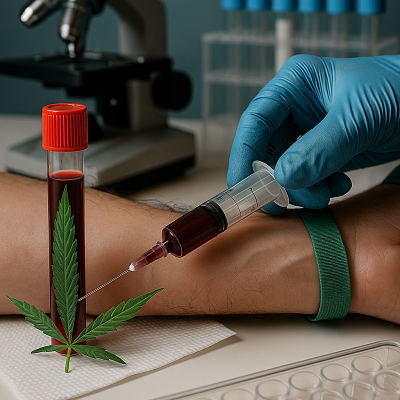
Cannabis & Blood Tests: What You Need To Know With the increasing use of marijuana for recreational and health purposes, people are curious about how long THC remains in the blood stream and what the results of a blood test can tell them about cannabis. Compared to urine and saliva tests, a blood test for cannabis is an extremely accurate method of detecting cannabis – however, it also has its own unique limitations. The information below will provide you with a clear, easy-to-understand summary of everything you need to know about having a blood test for cannabis. How Blood Tests Identify Cannabis There are two primary substances that blood tests detect: Compound What it does What it detects THC (Δ9-tetrahydrocannabinol) The active component that creates the “high” Recent cannabis use THC-COOH (THC metabolite) The non-psychoactive metabolite of THC that stores in fat cells Past cannabis use Blood tests are extremely sensitive; however, THC leaves the bloodstream much faster than it leaves urine and hair. How Long Will THC Remain In My Blood? After being inhaled or ingested, cannabis is broken down and processed very quickly which means THC in blood has the fastest detection time of all drug tests. Average detection windows: One-time use: 2–12 hours Moderate use (a few times per week): up to 24 hours Heavy/regular daily use: 24–48 hours Chronic heavy use: up to 72 hours (extremely rare for longer) So why do we see so much variation in detection times? It is due to the fact that THC binds to fat cells, as well as how quickly your metabolism processes it based on your body size, level of hydration, and how frequently you use cannabis. In Which Situations Are Blood Tests Typically Used? Blood testing is typically not the first choice for employers or regular screenings since it is expensive and invasive. However, it is commonly used in: ✔ Accident or roadside investigations. Police may have a blood test performed to determine if an individual was recently intoxicated at the time of an incident. ✔ Hospital evaluations. Doctors may perform blood tests to confirm symptoms or medication interactions. ✔ Court proceedings or cases related to legal issues or probation. Courts may rely on blood tests when accuracy is needed. Can a Blood Test Show If You Were “Under The Influence”? It is somewhat possible to get an idea of whether you were “under the influence,” but this is not entirely accurate. A blood test can provide: Information about the amount of THC present in your system Information about the last time cannabis was used It cannot, however, accurately measure how impaired you are, because everyone’s metabolism process differs. This is one of the most debated points in the development of cannabis laws. Ways to Reduce THC Blood Levels Unfortunately, there is no way to completely eliminate THC from your system immediately, however, certain practices can aid in your body naturally processing it: Drink plenty of water Rest and refrain from consuming additional cannabis Regularly engage in physical activity (avoid strenuous exercise immediately prior to a blood test – it could possibly cause THC to be released into your bloodstream from storage sites) Consume small, healthy meals to promote proper liver function Keep in mind: There are no ways to ensure instant detoxification – especially for those who consume cannabis frequently. Comparing Blood Tests to Other Forms of Cannabis Testing Test Type Detection Time Best Use Additional Notes Blood Hours to 2–3 days Determines recent cannabis use Most accurate, but most invasive Urine 3–30 days Common screening for general use Most common type of test Saliva 12–48 hours Used for roadside tests Quick and less invasive Hair Up to 90 days Provides long-term history of cannabis use Least accurate for determining occasional use Closing Thoughts Blood tests for cannabis are very reliable, but have the shortest detection window of any type of test. Blood tests show that THC is present in your system recently, but not your overall use over time. As cannabis becomes legalized across more states, knowing how these tests work provides users with the knowledge and confidence they need to make informed choices about cannabis responsibly. Discover more about cannabis with Preston cannabis club blog.

Cannabis & Blood Tests: What You Need To Know Read More »

Weed Brownies Online: Understanding the Types and What to Know in the UK1

Weed Brownies Online in the UK

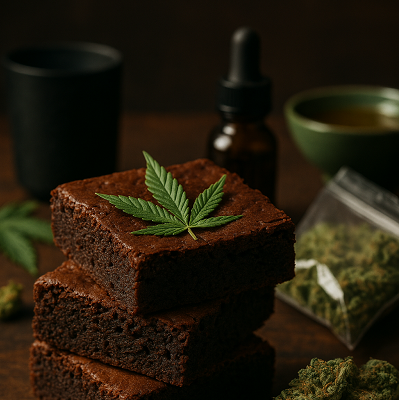
Weed Brownies Online: Understanding the Types and What to Know in the UK As you would expect, there is a lot of interest on the Internet in making weed brownies; as well as finding out information about them. Weed brownies have been one of the most popular forms of edible cannabis for years, and are loved by users for their taste, convenience and long lasting effects. As such, you will find many online recipes, reviews, etc. on-line and many people searching for “weed brownies online” when looking into cannabis in other countries. Although it is true that cannabis edibles are legal to purchase online and in stores in some parts of the world, it’s also worth noting that cannabis edibles, including brownies, cannot be purchased recreationally in the UK (online or in store) and cannot be prescribed as part of the UK’s medical cannabis program. That being said, people in the UK are interested in learning more about how weed brownies work and the variety of weed brownie types available around the world. The article below is an educational view of the various cannabis brownie types available in regulated markets internationally and why they have become so popular. 1. Classic THC Brownies Classic THC brownies are infused with THC (the compound responsible for causing intoxication and euphoria). These are known for: having a slow onset time (usually 30-120 minutes) experiencing longer lasting effects experiencing stronger body relaxation Regulated markets require that these types of brownies are accurately measured, usually starting at 2.5-10mg THC per serving. 2. CBD Brownies CBD only brownies do not contain the intoxicating compound THC. People prefer this type of edible for: relaxation without experiencing a “high” mild stress relief possible anti-inflammatory effects Compared to THC brownies, people can remain cognitively clear when consuming CBD only brownies. 3. Balanced THC:CBD Brownies Balanced brownies are made with equal parts of both THC and CBD (for example 1:1 or 2:1), which provides the best of both worlds. This type of edible allows for: a milder psychoactive effect less chance of feeling anxious due to excessive THC an overall smoother, more controlled experience People tend to favor this type of edible when they want to feel happy/ uplifted and relaxed. 4. Micro-dose Brownies Edibles labeled micro-dose contain extremely low amounts of THC (usually 1-2mg). Instead of producing a “high”, they produce: a mild euphoric effect enhance focus and creative energy minimally impairing daily activities This type of edible has gained popularity in Canada and states in the United States that allow cannabis use. 5. Gourmet & Functional Brownies Some legal markets create gourmet and functional brownies that take cannabis baked goods to a higher level: vegan/gluten-free versions sugar-free “wellness” brownies adaptogen-infused brownies (such as lion’s mane, ashwagandha). Cannabis and wellness-oriented ingredients combined. Why Weed Brownies Are So Popular On-Line The reasons that weed brownies have become an iconic representation of cannabis culture on line are: they are discreet they last a long time they are easy to eat there are a wide variety of options available in legal markets all over the world they evoke a strong sense of nostalgia for many cannabis users UK based readers may see international companies offering cannabis edibles online after doing a search, however purchasing cannabis edibles online to be delivered to the UK is against the law. Even though the UK does not allow for the sale of weed brownies (medical or recreational), the varieties of weed brownies available in legal markets internationally demonstrate how diversified cannabis edibles can be. From CBD-only brownies to gourmet infused desserts, the cannabis baking industry is much more complex than the typical “classic” brownie we think of. Discover more about cannabis with Preston cannabis club blog.

Weed Brownies Online in the UK Read More »