Нome » Uncategorized

Uncategorized

how cannabis policy will evolve in the United Kingdom

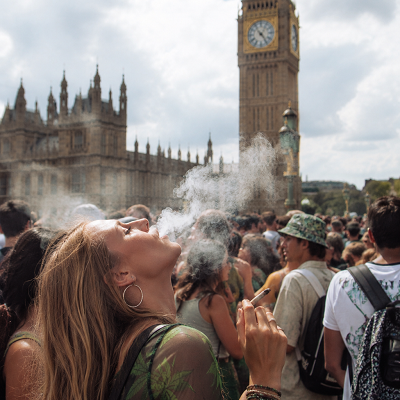
Hyde park 420 2026 provided a glimpse into how cannabis policy will evolve in the United Kingdom

Hyde park 420 2026 provided a glimpse into how cannabis policy will evolve in the United Kingdom For each of the last 25 years, on April 20th the speakers’ corner in london’s hyde park becomes an open air music festival and a large scale political protest. In 2026 this event was no exception; however, the number of attendees, their mood and the overall environment were indicative of the evolving nature of cannabis law reform discussion in the united kingdom. A large Crowdspeak The attendance levels at hyde park 420 have increased Every year since its inception. Attendance at the 2026 event, held on a Monday, reached in excess of tens-of-thousands of people. This represents a clear indication that while hyde park 420 remains primarily focused on providing a voice for long-time cannabis law reform Advocates, mainstream users, medical patients and those simply interested in attending an educational event are becoming increasingly prominent among the crowds. Why does the crowdspeak matter? Political movements tend to grow when they evolve from being viewed by the general public as fringe social gatherings to representing views of average members of society. The growing awareness of medical cannabis access barriers One of the primary themes throughout 2026 hyde park 420 was the presence of medical cannabis patients and medical cannabis patient advocacy organizations. Organizations such as UKCSC and Patientcann utilized the platform to draw attention to current barriers to accessing medical cannabis through the national health service (NHS). A policy based message that clearly addresses issues relevant to all members of society can be more effective than a message solely targeted towards recreational users of cannabis. What does Germany provide to the discussion? In January of 2024, Germany established a framework for regulating cannabis. As a result, uk-based cannabis law reform Advocates now have a real-world model they can reference. It is becoming increasingly difficult for uk-based opponents of cannabis legalization to argue that establishing regulated markets for adults will violate European norms regarding drug laws. What do UK-based cannabis law reform Advocates want? Decriminalization of personal cannabis possession Establishment of licensed and regulated retail markets for adults who wish to purchase or consume cannabis products Expansion of availability of medical cannabis via the national health service (NHS) Elimination of criminal records related to prior convictions for simple possession The Realistic Outlook Factor Current Status Political support for reform Growing but not yet majority Public opinion Consistently shifting toward legalisation Government position No active legalisation legislation Medical access Available privately, limited on NHS Hyde Park 420 doesn’t change laws on its own. But as a barometer of where public sentiment sits — and where it’s heading — the 2026 gathering was quietly significant.

Hyde park 420 2026 provided a glimpse into how cannabis policy will evolve in the United Kingdom Read More »

The unwritten social rules of cannabis use in the UK

The unwritten social rules of cannabis use in the UK

The unwritten social rules of cannabis use in the UK Cannabis culture within the UK has its own unique etiquette. Regardless of whether you prefer to enjoy cannabis through a solo session or as part of a sharing session, understanding the unspoken guidelines of cannabis etiquette will make every single cannabis using experience more enjoyable for all participants. The solo session It is perfectly acceptable to consume cannabis by yourself. Many consumers believe that they can explore the various types of cannabis products available better alone than as part of a social group. since there is no distraction from other conversations or social interactions. There are some general guidelines that should be followed during a solo cannabis using experience: Knowing how much marijuana you have consumed. Your surroundings have a larger influence on your marijuana-using experience when you are using marijuana alone because your perception of your environment is not anchored by the presence of a conversation Keep multiple varieties of high-quality marijuana products readily available — as stated earlier, many consumers feel that marijuana is best appreciated when used alone. Therefore, it is beneficial to keep several high-quality strains of marijuana products on hand so that you can select a new variety and evaluate it after each subsequent purchase. The sharing session Sharing marijuana among groups of friends in the uk is influenced by a number of informal customs and expectations: Whoever rolled the cigarette typically starts off smoking it — whoever prepared the joint has traditionally lit it first. This tradition exists to establish that the creator of the joint has taken responsibility for initiating the use of the joint Two puffs and then pass — two inhales prior to passing is widely recognized as being the correct manner of passing the joint Don’t speak into the mouthpiece while holding the joint — generally speaking, discussing matters while simultaneously holding onto the mouth piece of a joint is considered to be rude behavior in most social settings If someone continually offers you joints, then you are likely expected to offer them a joint — it is customary for those individuals who consistently share their cannabis with others to expect reciprocal actions from those whom they provide marijuana to Be mindful of the amount you consume — not everyone has the same tolerance for THC as you do. Therefore, good hosts are responsible for regulating the flow of marijuana throughout the duration of the sharing session Solo vs. sharing — key differences Aspect Solo Session Sharing Session Pacing Self-directed Socially moderated Product choice Entirely personal Consider the group Atmosphere Controlled Collaborative Consumption Easier to overconsume Naturally paced Experience focus Introspective Social, outward Conclusion Neither approach is inherently better — they each serve very distinct functions. competent users of marijuana know when each method is appropriate and operate effectively in both formats with regard for both themselves and those around them

The unwritten social rules of cannabis use in the UK Read More »

Marijuana and sleep: does it help or harm?

Marijuana and sleep: does it help or harm? The relationship between cannabis and sleep is complex. Online forums indicate that many view cannabis as an easy DIY sleep aid, while others claim that cannabis disrupts their sleep and negatively affects their ability to wake up in the mornings. According to the research available, both views could potentially be correct based on various factors including: the type of cannabinoid being used (THC or CBD), the frequency of use, the dosage of the product or its potency, and the user’s reason for sleeping poorly (insomnia, stress, pain, etc.). Below is the information from the scientific literature regarding the relationship between cannabis and sleep — without all the hype. 1) Cannabis can appear to improve sleep Short-term use of THC can produce a sedative effect for some individuals and CBD can be anxiolytic for some users. Therefore, when sleep difficulties are caused by anxiety or physical discomfort, this relief can sometimes seem like a marked improvement in sleep. Many users report: faster falling asleep a feeling of relaxation before going to bed fewer awakenings during the night (particularly those experiencing sleep issues due to pain) “turning off” racing thoughts This is why sleep is often mentioned as a secondary benefit of medical cannabis in discussions around treatment of pain, spasticity and/or nausea. 2) A major caveat to the above: sleep quality ≠ sedation Being sleepy is not the same as having good quality restorative sleep. Many of the studies assessing the impact of cannabis on sleep have indicated that cannabis has an impact on sleep architecture (i.e., the distribution of sleep stages). In addition, the long-term picture is more complex than initially thought particularly with respect to the potential negative impacts associated with regular use of THC. Some of the potential negative consequences of using cannabis regularly (especially THCs) include: lower amounts of REM sleep (the stage of sleep that is believed to be related to dreaming and emotional processing); increasingly fragmented sleep as the body becomes accustomed to the sedative effects of THC; next-day grogginess (“brain fog”) or impaired alertness; tolerance to the sedative effects of THC (i.e., needing increasingly larger doses to achieve the same level of sedation). 3) What happens when you switch from occasional to daily use? There is considerable evidence to suggest that the difference between occasional and daily/near-daily use of cannabis produces different outcomes. For example: occasional use can lead to: easier sleep onset (for a short period of time);possible mild impairment the next day depending upon the amount of THC taken; daily/nearly daily use will increase the likelihood of developing: tolerance to the sedative effects of THC; physical dependence on cannabis to fall asleep; sleep disturbances (e.g., rebound insomnia) upon cessation of cannabis use. In essence, cannabis can function as a “sleep crutch”: effective for a little while, then less effective and difficult to stop using once dependence develops. 4) Cannabis withdrawal and rebound insomnia exist A number of clinical reviews have shown that stopping heavy cannabis use can result in withdrawal symptoms which can negatively impact sleep, such as: insomnia or difficulty remaining asleep; REM sleep rebound characterized by vivid nightmares/dreams;  irritability and restlessness at night. These symptoms can form a vicious cycle: poor sleep upon cessation → using again to fall asleep → stronger habit over time. 5) THC and CBD: two very different sleep stories Separate consideration should be given to the distinct sedative properties of THC and CBD: THC (intoxicating): has been demonstrated to have a sedative effect on some users and shorten the time to fall asleep in the short term; has the greatest potential to alter sleep stages (and therefore could produce daytime impairment) and develop tolerance and dependence patterns in users; is associated with the highest degree of tolerance and dependence patterns among cannabinoids. CBD (non-intoxicating): has been demonstrated to have an indirect anxiolytic effect on some users and could potentially promote relaxation; may produce alertness in some users (contrary to sedative effects); product quality and dosing are significant factors in determining the efficacy and safety of CBD products. 6) Cautions for specific populations Based on the available research, the following groups would be wise to proceed with caution: teens/young adults (developing brains + increased risk of dependence); users with pre-existing anxiety/panic disorders (THC may exacerbate these conditions); users with a history of psychotic episodes or familial predisposition to psychosis; drivers/users of machinery that require early morning shifts; users of alcohol/sedatives in combination with cannabis. Practical takeaway for UK readers While cannabis can provide short-term relief of sleep issues caused by pain or stress, frequent THC use can also damage sleep quality, contribute to tolerance, and ultimately impair sleep when attempting to discontinue use. Please see the remainder of our blog series on marijuana in the UK.

Marijuana and sleep: does it help or harm? Read More »

Can Marijuana Cause Addiction?

Can Marijuana Cause Addiction? What Science Now Knows (Updated through 2026) Yes, marijuana can lead to addiction. Clinical terms are Cannabis Use Disorder (CUD). And CUD is recognized by all the main diagnostic frameworks. In the last year what has become clearer is not “does it exist?” But who is at risk, how addiction looks in everyday life, and why newer stronger THC-based products can make the risks more apparent.How Common Is Cannabis Addiction? According to very large-scale public health reports, there is an estimated 30 percent chance that someone who uses cannabis will have met the criteria for CUD at one time or another.That doesn’t mean everyone who uses cannabis will become dependent; but it does mean that cannabis cannot be described as non-addictive – especially with regular use.Of late, a disturbing trend has been noted in the UK regarding cannabis dependency among adults in England: adult cannabis dependency in England was reported to be 2.8 percent in 2014. However, according to the latest national survey data, adult cannabis dependency has risen to 5.4 percent (2023/24); although, unlike dependency rates, past-year cannabis use did not increase significantly – a phenomenon which the report notes may be linked to increasing product potency. What Addiction Looks Like (Beyond Stereotypes) CUD is not about weak will power. Rather, CUD represents a pattern of continuing to use, regardless of negative consequences, often accompanied by: difficulty cutting back or reducing use (i.e., cravings); using more than intended (or more frequently). prioritizing cannabis over other obligations (work, school, relationships, etc.). tolerance (needing more of the substance to achieve the desired effect). experiencing withdrawal symptoms after discontinuing the substance. Withdrawal Symptoms Are Real, Withdrawal Symptoms Can Keep People Stuck Reviews of clinical literature indicate that cannabis withdrawal is typically characterized by: anxiety; depression; irritability; problems sleeping or vivid dreams; changes in appetite. discomfort (headache, sweating, nausea/stomach pain). These withdrawal symptoms typically begin to occur within 24-48 hours of cessation, peak during days two-six, and persist for weeks in the case of heavy cannabis users. Who Is At Risk? There is substantial evidence indicating that there is a subset of individuals who are at a greater risk of developing CUD: young age of initiation (teenage years). heavy or daily/near-daily use. use of high-THC/high-potency products. “Self-medicating” for depression, anxiety, poor mood, or insomnia. history of mental illness in either oneself or a first-degree relative. The most recent studies on psychiatry continue to emphasize that potency and heavy use both play critical roles in increasing the risk of broader mental health issues — a good reminder that “stronger” is not always “better.” What To Do If You Think Cannabis Has Become A Problem For You A useful self-assessment for determining whether your cannabis use has progressed to a problematic level is to determine if your cannabis use has transitioned from “a choice” to “a need.” Some possible action items include: try setting a 2-4 week abstinence period and tracking your sleep, moods, cravings, and routines. cut back on the amount of THC and frequency of cannabis use (tapering may feel better than quitting entirely). find a replacement activity/habit for the times when you would normally smoke (take a walk, go to the gym, play video games, drink tea, and develop a new routine). if you find yourself unable to cut back on your use, consider consulting your general practitioner (GP) or local drug and alcohol service to discuss further options for assistance. If you’re looking for help in the UK, you can find guidance on getting help for drug addiction on the NHS website along with information on the various confidential services and referral processes available.Be updated with our blog about weed culture in UK!

Can Marijuana Cause Addiction? Read More »

Differences Between CBD and THC

Differences Between CBD and THC: The Truth Behind Real Benefits And Common Myths CBD and THC both originate from the same cannabis plant, but have significantly different interactions with the human body. Most online information confuses both of these compounds together under a single umbrella “story” of “cannabis = all around miracle cure”. As a UK based reader, if you’re looking for a clear and easy-to-understand explanation of what is fact, what is exaggerated and what is nothing more than marketing, this guide will break down both of these differences clearly. First: What is the Difference Between CBD and THC? While both compounds interact with the endocannabinoid system, the effects each compound produces are not identical. THC (Tetrahydrocannabinol) is the primary psychoactive compound in cannabis. The typical effects of THC include: Feeling “high” or having an altered perception of reality. Relaxation or sedation (often described). Increased appetite. Impaired short-term memory and impaired reaction time. CBD (Cannabidiol) is non-psychoactive. Many users report CBD’s effects as being: Calming without feeling high. Less impairment (compared to THC). More subtle with its effects, taking longer to develop over time. Evidence-based benefits: What Is Proven To Work Well There are many claims regarding the benefits of using cannabinoids, ranging from treating everything from anxiety to cancer; however, these claims are far too broad, and that is a good thing because it allows us to focus on what does work well. CBD: Evidence-Based Uses (Strongest Cases) CBD is a purified compound that has been shown to be effective in the treatment of certain rare forms of epilepsy. Specifically, a purified CBD medicine has been approved for the treatment of certain seizure disorders in several countries including through regulatory pathways in the UK. Reduced Anxiety: Some research has shown that CBD can help reduce anxiety in specific situations, although dosage levels and quality of the product being consumed greatly impact results. Sleep Support (Indirect): While some individuals report sleeping better due to reduced pain and anxiety, CBD is not a guaranteed “sleep switch”. THC: Evidence-Based Uses (Most Common Medical Targets) Chronic Pain: Certain types of chronic pain can be alleviated through the consumption of THC containing medicines; however, not every patient experiences the same level of relief. Nausea and Appetite: THC has historically been used to increase appetite and reduce nausea in specific medical scenarios. Muscle Spasticity: Cannabinoid medicines are sometimes used to treat muscle spasticity in the context of neurological conditions. Common Myths About CBD and THC (What Is Not True) Let’s eliminate the hype while keeping the conversation alive. Myth #1: “CBD Works Instantly For Everyone.” Reality: CBD’s effects are often described as being subtle, and the timing and amount of CBD can influence how each user perceives CBD. As a result, most OTC products contain low doses of CBD which do not correspond to the amounts of CBD used in clinical trials. Myth #2: “THC Is Always Bad For You.” Reality: THC can be beneficial for certain symptoms, but THC is also the compound most associated with adverse effects. In general, the negative effects associated with THC are often linked to the dose + frequency + potency of THC and not to THC itself. Myth #3: “CBD Cures/ Cancels Out THC Completely.” Reality: CBD may help modulate the effects of THC for some users, but it does not serve as an “off switch” for THC. Users who consume high-THC products can still experience anxiety, racing thoughts, or impairment even if CBD is present. Myth #4: “Indica = Sleep, Sativa = Energy (Always).” Reality: Chemistry and dose play a much larger role in determining effects than do the labels indica/sativa. Individual tolerance and terpene content can drastically alter the experience for the consumer. Myth #5: “If It’s Natural, It Must Be Safe.” Reality: Just because something is considered “natural,” does not mean it is safe. Products sold in the UK may vary in terms of: the accuracy of cannabinoid content labeling. the presence of contaminants. the reliability of label claims. Side Effects/Risks: An Honest Comparison CBD: Typically Reported Side Effects/Risks fatigue or drowsiness gastrointestinal disturbances interactions with some prescription medications (very important) THC: More Likely Side Effects/Risks anxiety or paranoid reactions to higher doses coordination problems and increased risk of accidents from impaired driving. memory impairments elevated heart rate (in some individuals) risk of dependence with frequent use UK-Friendly Takeaway If you’re interested in developing a practical method of thinking about it, here is a possible way to think about it: CBD is generally about promoting “balance and calm”, but it’s no panacea and the quality of the product is critical. THC is generally about “providing symptom relief at the cost of impairment”, since THC is the compound that causes impairment and intoxication. And the most important rule for both CBD and THC is: Start Low, Go Slow, and Be Honest About What You Want To Achieve (Sleep, Pain, Anxiety, Appetite), Because Different Goals Require Different Approaches. Stay with our blog and read latest news about cannabis culture! 

Differences Between CBD and THC Read More »

Cannabis Oil for Parkinson’s Disease in the United Kingdom

Cannabis Oil for Parkinson’s Disease in the United Kingdom Parkinson’s disease is an incurable and progressive disorder of the central nervous system that severely impacts motor function, including movement, and also includes cognitive impairment, mood disturbances, and significant impact upon the individual’s quality of life. There are over 150,000 people living in the U.K. who have Parkinson’s, and many have turned to non-pharmacological approaches (such as dietary supplements and alternative therapies) to aid in the management of their symptoms, which include tremor, rigidity, anxiety, and disturbed sleep patterns. With increasing interest regarding the therapeutic potential of cannabis oil for the treatment of Parkinson’s, there has been a growing body of evidence-based scientific research regarding the use of cannabis oil for Parkinson’s in the U.K., particularly with regards to CBD (non-psychoactive) and medical cannabis. Cannabis oil is NOT a cure for Parkinson’s disease; however, there is considerable interest among Parkinson’s patients in the U.K. regarding its potential benefit for symptom management. What Is Cannabis Oil? There are several forms of cannabis oil, and the term “cannabis oil” can be confusing and often misused. Below are examples of three types of cannabis oil: CBD Oil (Non-Intoxicating) CBD (cannabidiol) is legal in the U.K. as long as it is manufactured according to established regulatory standards. CBD oil does NOT produce a euphoric effect and is commonly found on store shelves across the country. Many Parkinson’s patients use CBD oils for: Reducing anxiety. Improving sleep. Relieving muscle tension. Although research is in the infancy stage, preliminary studies indicate that CBD may possess neuroprotective and calming effects. Medical Cannabis Oil (THC + CBD) In the U.K., medical cannabis can be prescribed privately by doctors for certain conditions — including some neurological disorders — if the patient has tried other treatments without success. These oils may contain both THC and CBD. THC may be helpful with: Muscle stiffness. Sleep disruptions. Restlessness. However, THC produces a psychoactive effect and therefore should only be used under strict medical supervision. Unregulated Oils Unregulated oils should be avoided at all costs because the amount of cannabinoids they contain is unpredictable, and they do not meet the safety regulations of the U.K. Current Scientific Research on Cannabis and Parkinson’s Disease Research into cannabis and Parkinson’s disease is ongoing; however, there are several areas where current findings appear promising: Sleep and Restlessness. A common problem faced by many patients with Parkinson’s is sleep disorders. A number of patients have reported improved relaxation during the night after using cannabis-based medicines. Anxiety and Mood. As a result of its calming properties, CBD may contribute to the emotional well-being of patients with Parkinson’s, potentially leading to an indirect improvement in quality of life. Tremors and Motor Symptoms. Findings have been inconsistent. For example, some patients have reported a reduction in the severity of their tremors after using specific cannabis oils, while others have experienced little to no improvement. Therefore, additional large-scale trials are required to further investigate this area. Role of Cannabis Oil Within the U.K.’s Health Care System In the U.K.: CBD oil is available without a prescription. Medical cannabis oil requires a private prescription. Medical cannabis oil is currently not available through the National Health Service (NHS) unless approved in extremely exceptional circumstances. All treatment decisions regarding cannabis oil are case-by-case, and only made by professionals who have received training in the use of cannabis-based medicine. Patient should consult with a health care professional regarding potential benefits and/or risks associated with the use of cannabis oil. Potential Risks and Considerations Due to its potential for side effects (such as dizziness/fatigue), interaction with other Parkinson’s medications, confusion/anxiety caused by high-THC oils, variable responses among individuals, and the fact that Parkinson’s affects the brain, patients should receive specialized guidance from a health care professional before attempting to incorporate cannabis oil into their treatment plan. Cannabis oil — whether CBD-based or prescribed as a medical cannabis oil — holds the potential for improving certain symptoms of Parkinson’s disease, primarily sleep disturbances, anxiety, and muscular discomfort. Although research is ongoing, many patients with Parkinson’s disease in the U.K. have discovered that cannabis oil provides an alternate therapy to complement their traditional treatment plan(s). To ensure safe access to cannabis oil, patients should seek out legal alternatives under the direction of a licensed physician. Discover more about cannabis with Preston cannabis club blog.

Cannabis Oil for Parkinson’s Disease in the United Kingdom Read More »

Hair and Cannbis Oil – A Growing Trend in the U.K.1

Hair and Cannbis Oil – A Growing Trend in the U.K.

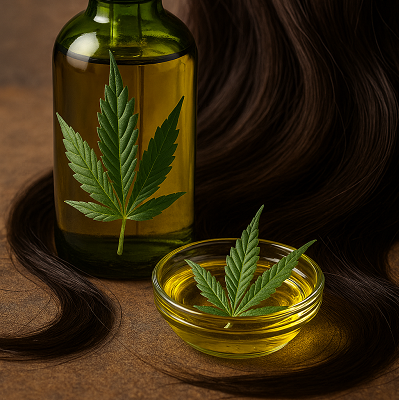
Hair and Cannbis Oil – A Growing Trend in the U.K. The rise in interest of “hair & cannabis” has led to it being one of the top searched topics in the U.K.’s health & beauty sector. Consumers are also looking at how this new wellness culture and natural ingredients are changing the way we think about our hair. The number of searches regarding cannabis and hair is on the rise, and there are many people asking questions like “Can I grow stronger, healthier, or shinier hair with cannabis-derived oils?” However, the phrase “cannabis oil” is a catch-all for several very different items, which can make this question difficult to answer — especially when considering the strict laws surrounding cannabis in the U.K. What is the Difference Between Hemp Oil, CBD Oil & Cannabis Extracts? Typically, when people discuss “cannabis oil for hair”, they are referring to one of three possible options: Hemp Oil Hemp oil is derived from the seeds of the cannabis plant and does not contain either THC or CBD. It is a perfectly legal option in the U.K., and is often incorporated into haircare products due to its all-natural characteristics: it is rich in omega-3 and omega-6 fatty acids. it is lightweight and easy to absorb. it is best suited for dry or damaged hair. Hemp oil is the most commonly available, and safest cannabis-related product you will find in the majority of U.K. shampoos, conditioners and serums. CBD Oil CBD (cannabidiol) is a cannabinoid derived from the leaves and flowers of the cannabis plant, and it does not contain THC. CBD-based haircare products are permitted to be sold in the U.K., as long as they comply with existing laws and regulations. CBD is valued for its: scalp-soothing properties. its potential antioxidant benefits. ability to promote calmer, less irritated skin. CBD is typically combined with other hair treatments and added to hair masks and scalp drops. THC Containing Oils THC-containing oils are not currently allowed to be sold legally for cosmetics, food or recreational use in the U.K. They are almost always associated with foreign markets. Benefits of Using Cannabis Derivatives For Hair Care Although the scientific study of using cannabis oil for hair is still evolving, many users of hemp seed or CBD oil in hair care report: shinier and softer hair. better moisture retention. less irritation, and fewer flakes on the scalp. fewer tangles, and less breakage. The main reasons for these positive results are due to the nutrient and fatty acid content of the oils, not the actual cannabinoids. Using Cannabis Oil in Your Hair Care Routine Here are some easy methods to include hemp seed or CBD oil in your daily hair care routine: Pre-shampoo treatment: Apply a small amount of hemp seed oil to dry hair to help hydrate and protect the hair before washing it. Scalp Drops: Use CBD scalp oils sparingly to soothe an itchy scalp or dryness. Leave-in Conditioning: Add a few drops of hemp seed oil to leave-in conditioner to give curls and waves a shiny appearance, and reduce frizz. Boost your hair mask: Adding hemp seed or CBD oil to your hair mask, adds extra moisture. Do These Products Have Any Risks? Generally speaking, most people tolerate both hemp and CBD oils well. However: always do a patch test prior to using the product if you have sensitive skin. do not apply too much oil to fine hair. use CBD products made by reputable companies based in the U.K. always check labels for THC content to guarantee complete regulatory compliance. Cannabis oil, particularly hemp seed oil and CBD oil, have established themselves as part of the present-day hair care landscape in the U.K. While neither will work magic, they will provide natural nourishment for the hair, promote scalp comfort and enhance softness and shine. As the beauty industry continues to embrace cannabis-derived ingredients, cannabis oil for hair is expected to continue to gain momentum as a trend. Discover more about cannabis with Preston cannabis club blog.  

Hair and Cannbis Oil – A Growing Trend in the U.K. Read More »