The Role of Cannabis in Modern Medicine: What Science Says
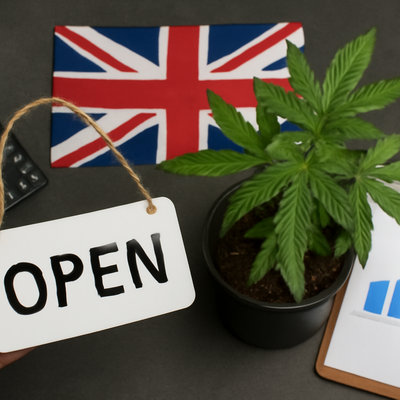
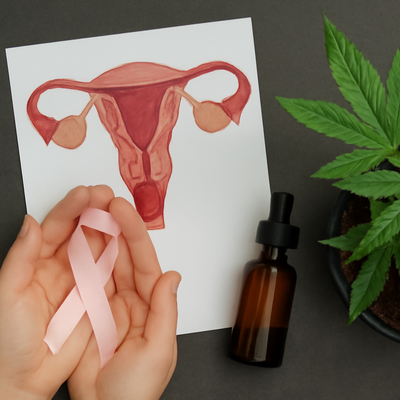
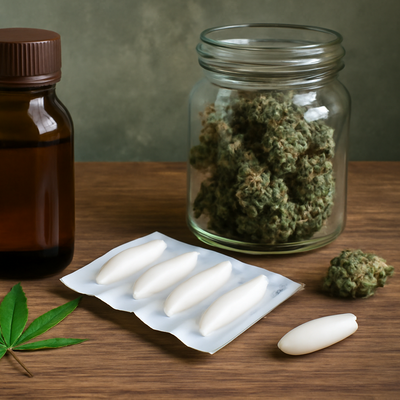
The Role of Cannabis in Modern Medicine: What Science Says From Stigma to Prescription Just 10 years ago, cannabis was seen as a cultural indulgence rather than a legitimate method of therapy. Today, prescription is provided to a certain extent in the UK and across several other countries. So why make this switch? Theres a growing weight of research as well as the influence of patients advocating for the medicinal use of cannabis, increased access to the plant, or some combination of both. Conditions that have the strongest evidence Cannabis or cannabinoid based medicines appear effective for: Chronic pain management, particularly nerve pain. Epilepsy, for which Epidiolex (CBD) has been approved for severe forms Multiple Sclerosis, where Cannabis has been shown to reduce spasticity. Cancer management, particularly with nausea from chemotherapy as well as for appetite stimulation Anxiety and PTSD, although these have been reported varying results depending on the dose and patient. Mechanisms of action The endocannabinoid system (ECS) is involved in regulating homeostasis. Cannabinoids mimic or manipulate the normal signaling of the ECS, which is why they can affect pain, mood, memory, and immune function. This broad biological activity explains why cannabis has such a wide ranging potential for medical use. Challenges and controversies The number of large scale trials is limited, resulting in many claims remaining anecdotal Dose is complicated, with effects varying by strain, cannabinoid content, and delivery method Regulatory hurdles to research as cannabis is still a class 1 drug in many jurisdictions What does the future hold for cannabis medicine? The growth of personalized medicine with ratios of cannabinoids being created for patients Expansion of medical cannabis programs in Europe, with Germany being a leader in this area. Development of synthetic cannabinoids with a laboratory setting for peer-reviewed and pharmaceutical evidence-base. What at the end? Cannabis is not a fringe remedy. It is a part of conventional medicine, but conventional medicine is not equitable. The challenge of the next decade is figuring out how to cement cannabis into clinical practice based on evidence while allowing the plant to retain its whole-plant approach to prevention and wellness. For patients, cannabis is not just a medication. It signifies a shift in how we look at health, sciences, and policy. On our website’s weed blog, you can find plenty of useful information about cannabis as well as the latest news from the ganja industry.
The Role of Cannabis in Modern Medicine: What Science Says Read More »