Нome » Cannabis Testing and Analysis

Cannabis Testing and Analysis

Is CBD a cure for hay fever?

Is CBD a cure for hay fever?

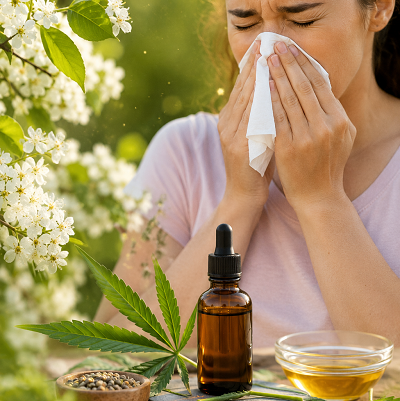
Is CBD a cure for hay fever? From June onwards, we will be enjoying longer evenings, a summer of festivals and for approximately sixteen million of us there will be the perpetual misery of hay fever. Many rely upon Antihistamines – but they come with unwanted side effects and only a small number find them totally satisfactory. CBD has recently begun to appear in discussions regarding alternative/Complementary methods to manage hay fever. We will therefore look into the scientific evidence behind using CBD as opposed to what is promoted in advertising. How hay fever occurs Allergic rhinitis/hay fever is when the body’s immune system overreacts to pollen floating in the air. The immune system incorrectly identifies the pollen as a threat and sets up a defense mechanism. During the process of setting up the defense mechanism, histamine and various other chemical mediators that cause inflammation are released. These chemicals then produce the common group of symptoms experienced by many people suffering from allergic rhinitis/hay fever: Nasal congestion/Sneezing; Itchy/watery eyes; Sinus pressure/headaches; Fatigue due to continuous activation of the immune system; Disrupted sleep patterns, especially at night when the pollen count is high. Most commonly used treatments include Antihistamines, Nasal corticosteroids and, for extreme cases, immunotherapy. While each type of treatment has its own set of drawbacks, this is one reason why interest continues to exist in Complementary alternatives to treat hay fever. CBD and how it relates to treating hay fever CBD works indirectly to combat hay fever by utilizing a completely different aspect of how the immune system functions, i.e., through the body’s endocannabinoid system and its anti-inflammatory properties. Important mechanisms to understand: Immune modulation via CB2 receptors — CB2 receptors are found throughout all types of immune cells (including mast cells) which are responsible for the release of histamine during an allergic reaction. Studies demonstrate that signaling through CB2 can inhibit the activation of mast cells, thus decreasing the amount of histamine released which contributes to most hay fever symptoms. Anti-inflammatory activity — CBD decreases the generation of pro-inflammatory cytokines such as IL-6 and TNF-alpha which contribute to prolonged inflammation associated with allergic rhinitis. Modulating trpv1 — CBD has an effect on trpv1 receptors which are associated with Nasal irritation and hypersensitivity seen in patients experiencing hay fever. Cortisol/stress response — stress increases allergic reactions; CBD’s anxiolytic properties may decrease Cortisol mediated increase in symptoms that many experience during stressful times. What do the research findings really show To answer honestly, there is a large difference between the scientifically supported mechanisms discussed above, and proven clinical effectiveness. There are no published Studies on humans testing the use of CBD as a treatment for allergic rhinitis. The disparity between theoretical plausibility and clinically confirmed efficacy needs to be stated explicitly. What exists: A 2020 review in Clinical & Experimental Allergy mentioned that the endocannabinoid system plays a regulatory role in the inflammation associated with allergies, and pointed out that it is an area worthy of further research as a potential therapeutic target. Studies testing CBD for inflammation in asthma models have shown very promising results related to bronchodilation and anti-inflammation — pertinent given the overlap between asthma and allergic rhinitis. There are anecdotal reports showing that many people suffering from hay fever report their symptoms being reduced in terms of severity and disrupted sleep caused by high pollen counts while taking CBD. While there is some supportive evidence for cautiously optimistic expectations, it would be incorrect to claim confidence that CBD could replace Antihistamines as a first line treatment option for symptom relief. However, there is evidence that CBD may provide beneficial additive help — primarily in relation to inflammation, sleep, and stress — for people suffering from hay fever symptoms that are not adequately managed by conventional treatments. Comparison between CBD and standard treatment options for hay fever Treatment Mechanism Best for Onset CBD comparison Antihistamines (cetirizine, loratadine) Block H1 histamine receptors Sneezing, itchy eyes, runny nose 30–60 min CBD does not block H1 — different mechanism Nasal corticosteroids Reduce nasal inflammation Congestion, sinus pressure Days–weeks (cumulative) CBD’s anti-inflammatory action may complement Eye drops (sodium cromoglicate) Stabilise mast cells in eyes Ocular symptoms 15–30 min CBD may support mast cell regulation systemically Immunotherapy Desensitise immune response Severe, persistent cases Months–years Unrelated mechanism CBD CB2 modulation, anti-inflammatory, TRPV1 Inflammation, sleep, stress amplification 15–90 min depending on format Complementary, not replacement The Honest Verdict CBD is not a hay fever cure, and anyone suggesting otherwise is outpacing the evidence. What it is — based on current mechanistic understanding — is a biologically plausible complementary intervention for the inflammatory, immune-mediated, and stress-amplified dimensions of allergic rhinitis. For the significant proportion of hay fever sufferers who find standard treatments incomplete, that’s a reasonable thing to explore, particularly given CBD’s established safety profile at moderate doses. The clinical trials needed to confirm this properly haven’t been done yet. Until they are, the honest framing is: promising mechanism, limited direct evidence, sensible to try alongside rather than instead of conventional treatment. This article is for informational purposes only and does not constitute medical advice. If your hay fever symptoms are severe or significantly affecting your quality of life, consult a GP or allergy specialist. Preston Cannabis Club blog recommends FSA-compliant CBD products from reputable UK retailers.

Is CBD a cure for hay fever? Read More »
Cannabis and Creativity: What the Science Actually Says

Cannabis and Creativity: What the Science Actually Says

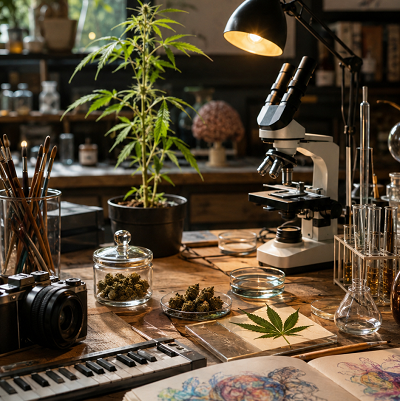
Cannabis and Creativity: What the Science Actually Says The claim that cannabis use enhances creativity is one of the longest held beliefs in popular culture. For years artists, musicians and writers alike have claimed that using marijuana has allowed them to think outside the box. However how much do these claims hold true? How much of this is fact and how much of it is just hearsay? Popular Beliefs about Using Marijuana and its Effects on Creativity While many people who use marijuana claim that they feel as though they are able to “think” more clearly when using the drug; whether or not this leads to producing something original is another story entirely. Feeling more creative, while good for morale, doesn’t mean that you are actually creating anything new or original. Research Results Regarding Using Marijuana and Its Effects On Creativity The scientific community feels that the popular belief regarding the effects of marijuana on creativity is grossly exaggerated. The results from research studies have shown the following: Divergent Thinking – Moderate amounts (low to moderate) of THC appear to slightly improve divergent thinking (the ability to produce a large number of unique ideas given a single stimulus). This is a key element of creative problem solving. Convergent Thinking – Higher levels of THC will cause impairment in convergent thinking (the process of narrowing down a variety of potential solutions until you arrive at a single solution). Dopamine Release – While marijuana causes the brain to release more dopamine, there is no conclusive evidence that this increases a person’s creative output. Tolerance – People who regularly consume marijuana seem to develop tolerance to both the positive and negative effects that the substance has on their cognitive function. Amount of Marijuana Used and Amounts Of Creativity Produced Dose Level Likely Effect on Creativity Low Mild divergent thinking boost, reduced self-criticism Moderate Variable — strain and individual dependent High Impairs working memory, reduces creative output

Cannabis and Creativity: What the Science Actually Says Read More »

A Decade of 420 in London: From Protest to Party

A Decade of 420 in London: From Protest to Party

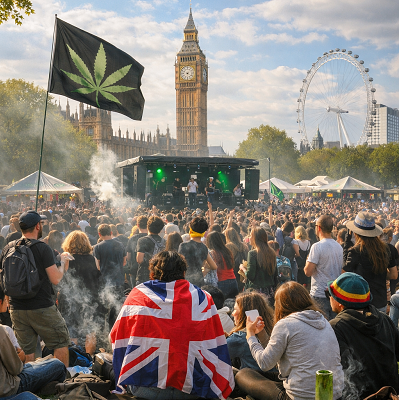
A Decade of 420 in London: From Protest to Party On the first Saturday of every April since the early 2010s, hundreds of protesters gathered near Speakers’ Corner in Hyde Park on April 20th. They were mainly young people holding handmade signs and umbrellas against the cold, wet weather — all they wanted to do was get marijuana legalized. Now fast-forward ten years. On April 20, 2026, the same spot had transformed. What started as a small, grassroots protest had turned into a large, family-friendly celebration and a major cultural event in the London spring schedule. Be updated with our blog about weed culture in UK! London’s Changing Attitudes Toward Marijuana Over Ten Years Over the past decade, British attitudes toward marijuana have also changed. When the government finally passed the Medical Cannabis Regulations Act in 2018 and removed some of the stigma associated with marijuana use, the demographics of the event began to transition from “countercultural” to “mainstream”. Ten Years of 420 Hyde Park – The Way We Were (2016-2026) Era Primary Vibe Estimated Crowd Key Focus The Activist Era (2016) Defiant & Political 5,000 – 10,000 Law reform and civil disobedience The Transition (2019) Social & Viral 20,000 – 30,000 Social media visibility and music The Modern Era (2026) Lifestyle & Wellness 50,000+ Community, health, and socializing Three Major Changes: From Protests To Picnic Parties Migration Of The “Vibe” – Ten years ago, this day was about giving speeches and using megaphones. Ten years later it is about setting up Bluetooth speakers and laying out picnic blankets. The focus went from trying to fight the system to ignoring the system altogether so that attendees can spend the day relaxing together. Demographic Explosion – If you take a good look around the attendees in 2026 you will see a lot more than just students. You will see adults in business attire; older people that use CBD products for wellness purposes; and other people that are using vaporizers legally due to medical reasons. It is no longer an event that is for youth alone; it represents a broad spectrum of Londoners. Economic Boost – Businesses close to Marble Arch and Edgware Road are no longer boarding up windows for fear of looting during 420 events. Rather they are stocking up on food items and supplies prior to the event. The event brings additional foot traffic to nearby convenience stores and cafes; therefore it has evolved into an unofficial economic stimulus for these local businesses. Navigating The Modern-Day Event The “Cloud” Window – While the high point of attendance is typically between 4:20PM and 4:45PM, the best window of time to visit the park without getting caught up in crowds is between 1:00PM and 3:30PM. During this time, the number of visitors to the area begins to dwindle until the next wave of attendees arrives. Tech-Proofing Your Attendee Experience – With 50,000+ people attending this year’s event; relying solely on your phone app to meet your friends may be unreliable. Choose a fixed landmark within the park such as the Still Water statue (the Horse Head), which will provide a common reference point for everyone involved. Clean Up Culture – Since the attendees have taken responsibility for cleaning up after themselves, the City of London allows the modern-day party to occur. Bring extra trash bags to show off your status as an official “Pro” attendee. The Legacy of the Decade As we look at the sea of people in 2026, it’s clear that the “Protest” didn’t disappear—it just changed its clothes. By simply showing up in such massive, peaceful numbers, the public has normalized the conversation in a way that a thousand placards never could. The party is the protest; a living demonstration that, despite the stagnant laws, the culture has already moved on.

A Decade of 420 in London: From Protest to Party Read More »

Medical Cannabis in the UK.: a “two-tier” system – two Years after the regulatory updates

Medical Cannabis in the UK.: a “two-tier” system – two Years after the regulatory updates

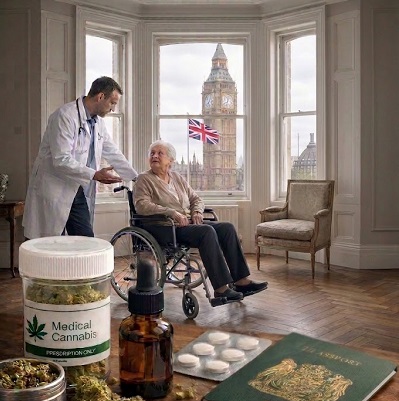
Medical Cannabis in the UK.: a “two-tier” system – two Years after the regulatory updates It has been two Years since the groundbreaking regulatory changes of 2024. In that time, the UK’s Medical Cannabis industry has become what can be described as a “two-tiered” system. Although technically, it is allowed to prescribe under the new regulations; for many patients, the decision to pursue treatment with Medical Cannabis depends on their financial situation, rather than the severity of their condition. Even as there are an increasing amount of private clinics available, there has yet to be a realization of the equity in access that was promised. Be updated with our blog about weed culture in UK! Access gap: state funded healthcare (NHS), commercial market (private sector) As of 2026, the data shows an immense disparity in the state funded healthcare sector and the commercial market. Patient Category 2026 Status Primary Barrier NHS Prescriptions Less than 0.5% of total users Strict NICE guidelines and clinician hesitancy. Private Clinic Patients 150,000+ Active Users High monthly costs for consultations and medication. Self-Medicating (Illicit) ~1.5 Million People Legal risks and lack of quality/safety control. Cancard Holders ~400,000 Members Provides police “discretion” but no legal supply. Three remaining populations that remain trapped in the “gray area” of the law “Working poor” Since the NHS rarely prescribes for patients, for them to legally purchase cannabis, they must go through a private clinic. When considering both the doctor visit fee and the actual cost of the medicine, some patients could see monthly bills up to $400. For those who receive Universal Credit or are classified as low income, it is financially impossible for them to make this “legal choice.” Chronic pain suffers While there are clearer paths for patients with conditions such as rare forms of epilepsy or chemotherapy induced nausea; there is still significant skepticism among many nhs trusts regarding chronic pain—by far the most prevalent reason for cannabis consumption. As a result, chronic pain suffers are frequently forced to seek relief via illegal/unregulated markets. Isolated/rural patients Most specialist cannabis clinics are located within urban centers (i.e., London, Manchester and Birmingham). While advancements in telemedicine have helped bridge this gap; delivering controlled substances to rural areas is subject to physical delivery delays and high courier costs. Reasons why GPS are continuing to say no There are multiple barriers preventing your local GP from writing you a prescription: The “golden standard” – the majority of nhs organizations will not fund prescriptions unless the entire plant flower goes through phase iii double-blind, placebo-controlled clinical trials—which is a benchmark rarely achieved by botanical medicines. Knowledge deficit of ECS among medical students Knowledge of the ECS is not a required element of core curricula in many british medical schools. Fear of GMC red flagging Many Clinicians are fearful of being red flagged by the GMC if they prescribe outside of very narrow categories approved prior to prescription. This has created a medical inequality where one’s ability to live free from pain is dictated by how deep one’s pocket is. Strategic plan for patients currently in the system When navigating the current system in the UK, please note the following updates:Shared care agreement – a small number of private patients have been able to transition their care into a shared care agreement format whereby their GP will handle the administrative portion, although the patient will continue to pay for their medication.Project Twenty21 & T21 – the aforementioned observational studies provide discounted pricing options to patients willing to participate in providing data for research purposes.Vaporizing: an increasing trend in prescription use – both the nhs and private clinics now primarily recommend dry herb vaporizers over smoking due to decreased harm potential and increased dosing accuracy. Outlook for 2026 Although domestic cultivation in the UK has grown significantly since 2024, the majority of all prescribed cannabis products are still imported from countries including Germany, Canada and Israel. Until domestic cultivation operations reach full maturity and until nice updates their cost effectiveness model, it is likely that the left behind population will represent the majority of People consuming cannabis in the UK.

Medical Cannabis in the UK.: a “two-tier” system – two Years after the regulatory updates Read More »

How do UK cannabis clinics actually generate profit

How do UK cannabis clinics actually generate profit

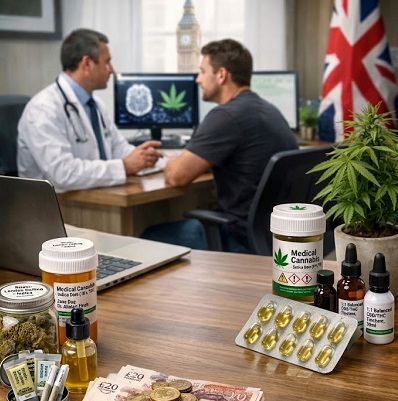
How do UK cannabis clinics actually generate profit Many people think about the u.k.’s medical cannabis market primarily in terms of patient care. However, there is a complex and extremely competitive business model that underpins the prescribing practice. With over two dozen private cannabis clinics opening since 2018, they are operating within an environment where the national health service (NHS) is virtually never prescribing and the private sector bears all of the risk — and reward. Be updated with our blog about weed culture in UK! The revenue engine: where does all of the Money come from? U.k. Cannabis clinics work with a private, fee-for-service delivery model. Their profits come from a combination of professional services charges and strategically created partnership arrangements. Revenue Stream Description Estimated Value (Per Patient/Year) Consultation Fees Initial assessments and mandatory follow-up appointments. £200 – £400 Repeat Prescription Fees Administrative charges for issuing monthly scripts. £120 – £300 Pharmacy Kickbacks Commissions or service fees from linked pharmacies. Variable Data Monetization Selling anonymized patient outcome data to researchers. High-value (B2B) Vertical Integration and the “ecosystem” model All successful cannabis clinics in 2026 are part of a vertically integrated ecosystem. For example, a parent company may have ownership interest in the clinic itself, the specialty pharmacy that fills the orders, the cultivation facility or licensed importer. Referral income: when a parent company directs patients to its partner pharmacy, the parent company will capture the gross margin associated with the sale of the actual cannabis product (flowers or oils), plus the clinical consultation fee. Margins for wholesale purchases: clinic groups with large-scale purchasing capabilities can purchase large quantities of medical grade cannabis from Canada, Israel or Germany at low cost-of-goods-sold (COGS), allowing them to continue charging a premium price for each private consultation to patients. Gold rush data In the united kingdom, medical cannabis is considered “unlicensed”. This means that it does not meet the typical standards established by multi-billion dollar clinical trials. As such, there is a massive data void being filled by clinics. Observational studies: to attract patients willing to take advantage of reduced consultation fees, many clinics offer participation in “Real World Evidence” (rwe) registries. Pharmaceutical industry interest: anonymously collected patient data regarding how specific strains impact conditions including chronic pain or anxiety are very valuable to pharmaceutical companies developing licensed cannabinoid-based medicines. Sales of this data provide a lucrative b2b revenue stream completely independent of patient volume. Operational efficiencies: the Rise of telemedicine Private clinics using telemedicine models have been able to scale quickly due to the ability to generate high-margin revenues. Lowered overhead: one consultant can now treat patients from anywhere in the country without the costs associated with traveling to a location or maintaining brick-and-mortar facilities. Automated triage: private clinics utilize advanced Digital triage systems to pre-qualify potential patients. These systems ensure that when a consulting specialist spends his/her time with a patient, he/she has a high likelihood of meeting criteria for an approved prescription, thus maximizing the conversion rate from inquiry to paid customer. “The true nature of uk cannabis is not merely selling a plant; it is providing a specialized medical service with multiple layers of compliance, data management and pharmacy logistics driving profitability.” Hidden costs: risk management & compliance expenses While profitable, u.k.-based private cannabis clinics incur numerous hidden expenses that reduce their margins. Regulatory requirements for cqc registration: there are various regulatory requirements associated with registering with the Care Quality Commission (cqc). These include periodic audits and increased administrative burdens. Salary expenses: due to cannabis only being prescribed by specialists listed on the general medical council specialist register (not general practitioners), clinics must pay very high hourly rates to recruit top quality consultants from specialties including neurology and oncology. Advertising Restrictions: it is against u.k. Law to publicly advertise prescription only medications. Therefore, clinics must spend heavily on search engine optimization (SEO), producing educationally focused content, brand awareness and other marketing activities that adhere to tight mhra (medicines and Healthcare products Regulatory Agency) guidelines. What will happen to the u.k.’s private cannabis market? By mid-2026, the u.k. Private cannabis market will transition away from a high-risk endeavor and into a robust, data-focused business. Although many argue that the barriers to entry for patients remain a major point of contention in relation to public policy debates, the private clinic model remains the only viable vehicle for growing demand for cannabis in the absence of wide spread NHS funding.

How do UK cannabis clinics actually generate profit Read More »

| Articles weed in UK at Preston Cannabis Club

Microdosing Cannabis — An Examination of the UK Perspective in Achieving the Right Dose

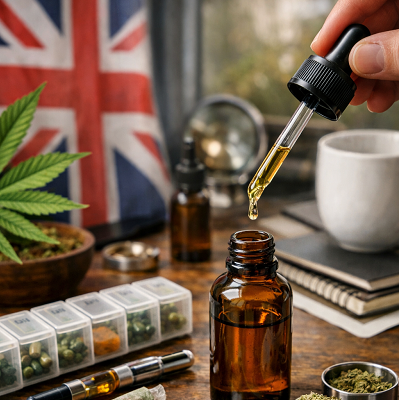
Microdosing Cannabis — An Examination of the UK Perspective in Achieving the Right Dose During 2026, the development of the UK’s Medical Cannabis Sector will continue. One of the most significant changes in patient behavior is taking place. Patients who have used the “high-potency” model of the illegal market will be transitioning to using lower doses of cannabis for therapeutic purposes, which will eliminate the psychoactive effects associated with being “high.” For the majority of the UK population, there exists social stigma surrounding the use of cannabis and strict workplace drug policies. As such, microdosing has become a necessary aspect for the modern British working individual.  Be updated with our blog about weed culture in UK! Finding the Optimal “Sweet Spot” within the Microdosing Spectrum Microdosing is not solely defined by a single dose. Rather, it involves identifying the minimum effective dose (MED) for each individual’s endocannabinoid system. Method Typical Microdose Primary Benefit Dried Flower (Vaped) 0.05g – 0.1g Instant relief for acute anxiety or breakthrough pain. Sublingual Oil 1mg – 5mg (THC) Long-lasting, steady state for chronic inflammation. Balanced Strains 1:1 (CBD:THC) Reduced psychoactivity; “functional” daytime use. Pastilles/Edibles 2.5mg – 5mg Precise, discreet dosing for social or office settings. Three Foundations of the UK Microdosing Model “Low and Slow” The vast majority of specialist consultants in the UK endorse the “low and slow” protocol. The typical process when a new patient enters the system in 2026 is as follows: * Start at a dose of 1mg to 2.5mg of THC per night.* Gradually increase to find a “therapeutic window” over a period of seven to fourteen days.* Allow the body to adapt to cannabis without entering into the biphasic effect (a phenomenon where low doses alleviate anxiety but higher doses exacerbate anxiety). Terpene-Based Dosing Increasingly, British patients are becoming “terpene-aware”. Terpenes represent more than THC levels. When choosing a strain for microdosing, select one rich in Limonene for increased focus during the day or Myrcene for enhanced relaxation at night. With terpene-based microdosing, you can create a customized cognitive experience that leaves you fully functioning. Buffer Effect of CBD One of the foundational principles of the UK model includes incorporating high-ratio CBD products. Combining CBD with micro-doses of THC creates a protective buffer around your brain. Should you inadvertently exceed your desired dosage, CBD will regulate your CB1 receptors so that you do not feel impaired by excessive THC consumption. Challenges of Implementing Microdosing in the UK Market Although the concept of microdosing is logical, implementing it in the UK environment poses several challenges to patients. Precision Hardware Most vaporizers designed specifically for dry herb consume significantly larger quantities than what most UK patients require. Consequently, increasing numbers of UK patients are opting for “dosing capsules” or specialized micro-vaporizers that allow them to accurately administer their prescribed quantity. Consistent Products Unlike the United States or Canada, most medical cannabis in the UK originates from international sources. Due to varying levels of potency between batches, product consistency becomes a major issue in administering accurate microdosing. Therefore, reading through each CoA prior to prescribing a new batch may prove beneficial. Perception Regarding Legal Status Regardless of whether an individual is using psychoactively effective amounts of cannabis or not, UK law and the DVLA consider all individuals under the influence of cannabis to be at risk of failing a roadside swab test. Regardless of whether or not you are currently experiencing psychoactive effects, if you are legally prescribed medical cannabis in the UK you should always carry your documentation with you. “The concept of microdosing bridges the gap between stereotypical marijuana users and legitimate medical patients. It enables an individual to function as both an employee and/or parent while managing their medical conditions.” Success Strategies for 2026 Digital Logging Many clinics in the UK now offer applications that enable patients to document their daily dosages and moods. This information is invaluable in helping consultants optimize patient prescriptions upon review at regular intervals. “The Empty Tank Rule” Consultants advise beginning a microdosing program on a day devoid of responsibility to assess how your motor functions and cognitive speed react to a dose of 2.5 mg. Stealthy Consumption Increased availability of edible medicinal pastilles and measured dose inhalers has enabled consumers to discreetly consume cannabis in public spaces, thus placing this form of treatment within the confines of traditional pharmacies. Future Trends in Functional Medicine By looking ahead to the balance of 2026, microdosing will transition from being considered an emerging trend to becoming the standard treatment option for British medical cannabis patients. By focusing on “precision” versus “potency”, this methodology is intended to bring cannabis usage into alignment with societal norms regarding productivity and clear-headedness rather than impairing those characteristics.

Microdosing Cannabis — An Examination of the UK Perspective in Achieving the Right Dose Read More »

Are THC Vapes Stronger Than Flower?

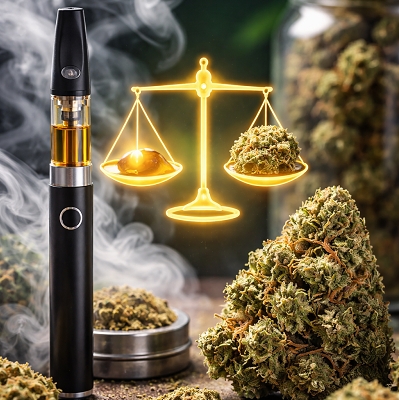
Are THC Vapes Stronger Than Flower? Comparing THC vapes and flower, there’s no clear cut “yes” or “no.” Strength is a subjective term when referring to potency, the speed at which it takes effect, and the overall experience. Potency A major difference between vapes and flower is their THC content.Flower has an average THC content of 15 – 25%, and high-end strains can reach levels up to 27%. THC vape cartridges or disposable vapes have an average of 70 – 90% THC. This is much stronger than flower, which is why many vape products have such a strong potency. Based on THC percentage alone, vapes are definitely stronger than flower. Delivery method But potency is just one aspect of the entire experience. Both smoking flower and vaping THC oil require inhaling the product; therefore, both will produce similar results. The effects of either product will take anywhere from 2 to 10 minutes to take effect and once the THC reaches the bloodstream, users can control the amount they inhale by adjusting their puffs. Vape products provide a much more concentrated amount of THC per inhale, resulting in: Faster onset More intense initial high Stronger short-term effects Smoking flower produces: A more gradual effect A more full bodied effect A more balanced effect due to all the other cannabinoids and terpenes that are found in the plant Entourage effect: In addition to containing minor cannabinoids, terpenes, and flavonoids, flower also provides an entourage effect. When all of the components of a plant combine to create the user experience, they create what is called the entourage effect. Many vape products are made using live resin or full spectrum methods, so users can expect to receive the same amount of minor cannabinoids, terpenes, and flavonoids as flower. However, there are still many vape products that use mostly THC distillate and add flavoring terpenes to give them a desired taste and aroma. Therefore, users who smoke flower report experiencing: More rounded More complex Less sharp highs compared to vaping Regardless of the THC content, many users feel that vaping produces a stronger experience in the first 20 – 30 minutes after consumption. Many users also report that the high experienced from vaping lasts approximately half of the time of smoking flower. Intensity vs duration Another important consideration is the length of the high produced from each product. THC Vapes: Rapid onset Strong initial effect Shorter overall duration (usually 1 – 3 hours) Flower: Quick onset Slightly less potent Effects can be felt for similar or slightly longer periods of time based upon the amount consumed. Tolerance & over-consumption risk: Since vape products are so concentrated, users run the risk of consuming too much THC at one time. Overconsumption can result in: Increased tolerance over time Stronger negative side effects (anxiety, dry mouth, dizziness) Less time between sessions Since the THC content of flower is much lower than that of vape products, users can easily estimate the amount of THC being smoked and socialize with friends. Newbie users should be careful when trying vape products for the first time, since they can be very overpowering if not used responsibly. Strength Yes, THC vapes are usually stronger than flower when comparing THC content per inhale. However, just because a vape product is stronger does not necessarily make it better. Overall experience will depend on: Quality of the product Terpene profile Personal tolerance Setting Dose Some users like the fast acting and powerful nature of vapes, while others enjoy the natural complexity and ritual associated with smoking flower. Final thoughts THC vapes provide a concentrated amount of THC in a small, convenient package. Due to its higher concentration, many users feel that vaping delivers a stronger and faster acting high compared to smoking flower. While flower may have a lower THC content, it provides a more complete cannabinoid profile. Users report that flower feels more well-rounded and complex. Ultimately, the decision to use THC vapes versus flower will depend on your personal preferences, tolerance, and the type of experience you’re looking for.

Are THC Vapes Stronger Than Flower? Read More »

High On Love: How Cannabis Can Elevate Your Valentine’s Night

High On Love: How Cannabis Can Elevate Your Valentine’s Night Valentine’s Night is all about being in the moment – connecting, slowing down and being present with another person. Many couples find cannabis can assist with creating an elevated sense of relaxation, intensifying their senses and increasing emotional closeness when used thoughtfully. The same way romance can be achieved with balance – so too can using cannabis. Let’s see how cannabis can elevate your Valentine’s Night and how to use it responsibly. Relaxation Provides Space for Connection We live in a world filled with fast-paced work, constant distractions (screens), and daily responsibilities. These things don’t magically disappear just because it’s Valentine’s Day. Small, carefully selected amounts of cannabis can help: Reduce muscle tension and physical tightness Quiet the mind and encourage open communication and laughter Create a greater sense of abundance in the present moment Stress creates barriers to connection. When stress disappears, connection becomes simpler. The transition from “thinking” to “feeling” has the ability to completely flip the energy of the evening. Enhancing Sensory Experiences One of the most commonly discussed effects of cannabis is the enhancement of the senses. Colors appear brighter and warmer; music appears deeper; flavors become more intense. In terms of Valentine’s Night, these enhancements can translate into: Music is more immersive Candle light is softer and creates a warmer atmosphere Touch is more apparent and intimate Food/desserts have more vibrant flavors Cannabis can greatly enhance the sensory experiences of a simple evening at home, making it special and memorable. Deeper Conversations/Increased Emotional Availability There are certain strains of cannabis (primarily hybrid strains) that promote thought-provoking conversations and increased emotional availability. Many couples claim that cannabis assists with: Expressing their feelings openly Expressing gratitude more openly Listening more attentively Feeling less protected When both individuals are feeling secure and relaxed, communication tends to flow more naturally. Choosing the Right Strain for the Vibe Strain selection can greatly influence the overall mood and atmosphere of the evening. Sativa-dominant** strains typically bring high-energy and lighthearted conversation Indica-dominant** strains tend to be best for relaxation and cuddling Balanced hybrid** strains generally provide the best of both worlds – calm, yet connected New to cannabis? If so, start with a lower THC level and smaller dose for the best results. Comfort First Romance and overindulgence do not go hand-in-hand. Consuming too much THC can lead to: Anxiety Drowsiness Disconnection Awkward energy To ensure that the night remains enjoyable: Start with a low dose and proceed slowly Both parties must be comfortableDrink plenty of water Avoid mixing cannabis heavily with alcohol Cannabis is intended to be a compliment to the evening, not to dominate the evening. Not Just for Couples Valentine’s Day is not limited to romantic love. It is also a day to celebrate self-love. A relaxing evening alone, complete with candles, a warm bath, soothing music, and a relaxing strain of cannabis, can be just as fulfilling. Cannabis can help you create a place for reflection, creativity, and deep relaxation. Final Thoughts Cannabis does not create connections by itself, however it can enhance those that exist. When used purposefully, cannabis may allow you to relax, increase your senses, and connect on a more emotional level. Whether you’re spending Valentine’s Night with a partner or celebrating yourself, the true magic lies within the attention, intent, and mutual comfort you give each other. Love first. Cannabis second. Be updated with our blog about weed culture in UK!

High On Love: How Cannabis Can Elevate Your Valentine’s Night Read More »

The effects of marijuana on the brain

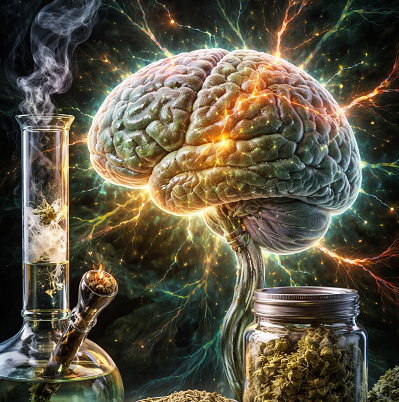
The effects of marijuana on the brain: what research really shows Cannabis is commonly viewed as either “safe” or “unsafe,” but recent advances in neuroscience paint a far more complex picture. Whether cannabis has positive or negative effects on the brain depends greatly on an individual’s specific circumstances, including their age of initial use, how frequently they consume, the amount of THC contained in the cannabis product(s) they consume, their genetic predisposition and/or mental health history, and whether they consume cannabis sporadically or regularly. Below is an overview of the body of evidence that clearly indicates what researchers have found. 1) Effects of Cannabis Use: Acute Effects – What Happens While You’re High (and Immediately After) Established by large systematic reviews of the evidence, the most well-documented evidence regarding acute effects of cannabis consumption include: Impairment of several important cognitive processes such as: Concentration and attention Short term memory and learning Reaction time and coordination Decision making and judgment Because these acute effects of cannabis consumption can lead to impaired reaction times, decreased ability to process information quickly, and difficulty concentrating, there are legitimate reasons why individuals should be cautious about consuming cannabis and then engaging in activities that require alertness, such as operating a vehicle, working, or studying-even if the user “feels fine.” 2) Effects of Chronic Cannabis Use: Does Cannabis Lower IQ or Memory Permanently? While research examining the effects of chronic cannabis use on cognition has yielded conflicting results, certain patterns have emerged: Regular and heavy use appears to negatively impact performance in cognitive areas such as memory and processing speed, particularly among younger users. There are also data suggesting that deficits caused by heavy cannabis use can last for hours or even days after cessation (especially among users who consume cannabis every day; thus, individuals may not completely “reset” between uses). In contrast, for adults who use cannabis infrequently, many of the effects of cannabis use appear to be smaller and difficult to distinguish from other confounding variables (e.g., sleep, alcohol, stress, education), and this is likely why studies have produced varying levels of agreement regarding the extent to which cannabis use impairs cognition “permanently”. Practically speaking, the results of the science suggest that: Early + Heavy + Higher THC → Higher Risk of Cognitive Downside. Later + Lighter → Lower Risk, but Not Zero. 3) Adolescent Brain vs Adult Brain: Why Age Matters So Much As noted above, most public health organizations focus on adolescence as a period during which the brain is still maturing. As such, evidence summaries note that use of cannabis prior to approximately 18 years of age may influence the development of neural circuits critical to: Memory Learning Attention Impulsivity Further, the potential for harm is greatest with regular and heavy use. 4) Psychosis Risk and Mental Health Issues: Strongest “Dose Response” Relationship One of the most consistent findings across all studies of cannabis use and mental health issues is a link between heavy cannabis use and increased risk of psychotic episodes, with a clear dose response effect (greater use = greater risk), particularly in individuals with pre-existing vulnerabilities (early onset of psychiatric symptoms, family history of psychosis, use of high-THC products). Important nuance: This does not imply that cannabis will cause psychosis in everyone who uses it. However, the available evidence suggests that risk of psychosis is not uniformly distributed, and that the strongest signal regarding increased risk of psychosis is associated with heavy and high-potency use. 5) Dependence and the Brain’s Reward System Like other substances, cannabis can be habit-forming, and risk of addiction increases with early and frequent use. Agencies that conduct research on substance use disorders note that adolescents are at higher risk of developing cannabis use disorder than adults, and that dependence on cannabis is real (albeit with differences in withdrawal compared to alcohol and opioids). What This Means for U.K. Readers If you want a research-based take-away that avoids hype, it comes down to this: The most reliable harms occur with early initiation, heavy/frequent use, and high-THC potency. The most reliably impaired cognitive functions due to short-term effects are attention, memory, and learning. The most reliable long-term concern is the increased risk of psychosis in heavy users, particularly those who have a predisposition to develop psychotic disorders. If you’d like to receive latest news about cannabis world stay with our weed blog!

The effects of marijuana on the brain Read More »

Pre-Roll – The Convenience, Quality and How to Determine

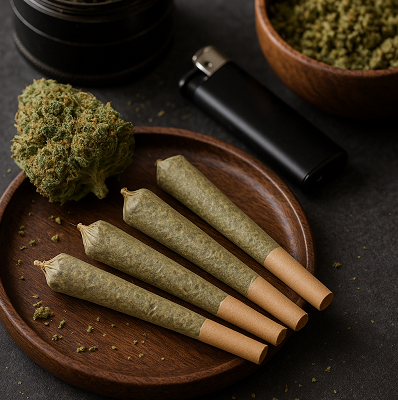
Pre-Roll – The Convenience, Quality and How to Determine One that is Right for You Once upon a time, rolling a joint was an art form and a rite of passage — a rite of passage into the graceful ritualism of cannabis culture. With the maturing of the industry, the quest for simplicity with no sacrifice included, the pre-roll emerged, the ideal solution — a perfectly packed, ready-to-use, joint that balances craftsmanship and convenience to create a single, graceful cylinder. The pre-roll notes the marriage of tradition and technology — a bridge from one era to another, from nostalgia to the modern renaissance of cannabis culture. A pre-roll is not merely smoke, but an experience in itself infinitely repeatable, not only for novices but for expert cannassavores.  What is a pre-roll? A pre-roll is a prepared professional joint of cannabis, preloaded with finely ground, (sometimes mixed with concentrates or kief), and rolled in a conical paper. Unlike the make-shift creations of old, contemporary pre-rolls are scientifically prepared for airflow, burning consistency, potency control.  Most dispensaries carry a variety of types of pre-rolls in their inventory, such as:  Classic flower pre-rolls — pure, specific to strains, balanced.  Infused pre-rolls — (mixed hash oil , live resin, wax) for stronger potency  Mini pre-rolls — small doses to be shared for discreet utilization  CBD pre-rolls — the prefered choice for alluring, therapeutic calm without intoxication.  Comparing Pre-Roll Types and Potency Type THC Range Best For Effect Profile Classic Flower 15–25% Everyday users Smooth, balanced high Infused 25–40% Experienced consumers Intense, euphoric, long-lasting CBD <1% THC / High CBD Wellness users Relaxing, non-psychoactive Mini 10–20% Social or beginner use Gentle, short-lived This range of options describes why pre-rolls have become the gate of entry for versatility — adapted, not only to potency preference, but moment or mood.  Why are Pre-Rolls so Popular? The emergence of pre-rolls is no accident.. In the era of precision and immediacy, they are ideal, giving what modern life fears — quality without labor, The most salient advantages comprise: Consistency — rolled by experts for even burning.  Convenience — there is no work for possessor.  No grinders, filters or paper.  Portability — discreet and compact, ready for school, triips, parties.  Variety — appearing in countless strains and cannabinoid profiles.  For many, it is reliability that appeals to them — puff for puff an echo of professional craftsmanship — joint in essence the same ceremony distilled in paper. How to Choose your Pre-Roll? The proper pre-roll is a matter of experience and situation and expectation, For an easy high which is social, equal hybrid, or low THC mini rolls are reccomended. For vivid relaxation or creativity, infused Pre Rolls are recommended, especially the hot live-resin wheels. For clarity and focus, CBD rolls or low THC rolls afford a wide field of therapeutic calm. Lab tests always, markings of the terpenes and of the grind — these are marks of truth and of freshness.  The Quiet Luxury of Readiness The pre-roll is in itself, simple thing, a thing that exemplifies covert elegance. A thing to assure that modern cannabis shallh not sacrifice ritual for efficiency. The quiet thing, the symbol of an era, the pleasant ring of incense for burnt flower, and the clever craftsmanship of the curators. Whether the lit abroad one views the skyscrapers of the city or the peaceful, serene mouth of the countryside, remember: that a pre-roll is a history dwelling in a roll, fitted, sealed and ready to unfold in smoke. Discover more about cannabis with Preston cannabis club blog. 

Pre-Roll – The Convenience, Quality and How to Determine Read More »