Cannabis Testing and Analysis

Preston cannabis club blog.

Understanding Cannabis Concentrates: Types, Potency and Best Use Techniques

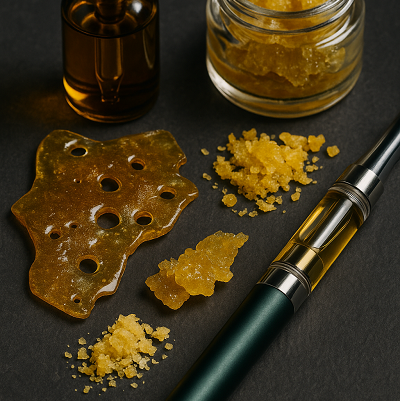
Understanding Cannabis Concentrates: Types, Potency and Best Use Techniques Cannabis concentrates have become the focus of great interest — and confusion — in today’s rapidly evolving world of cannabis culture. These are the distillations of the plant’s purest essence: thick, shiny, highly potent and unlike anything we knew before as “cannabis” — leaves and smoke — now “oil,” “crystal” and “vapor.” What are Cannabis Concentrates? Cannabis concentrates are the results of isolating the plant’s most important compounds (THC, CBD and aromatic terpenes) while removing all unwanted plant matter. The objective is purity — a superior cannabis experience where only the active compounds remain. There are two types of cannabis extraction methods: solvent based (butane, propane, etc.) and solventless (heat, pressure, or ice water). Solventless extraction is used by those who prefer to extract cannabinoids without chemicals. Solventless methods produce their own unique textures — from clear glass like shatter to creamy budder, dry crumble, or golden rosin made from flower. Comparing Types and Potency Type of Concentrate Extraction Method Texture & Appearance Average THC Range Shatter Solvent-based (BHO) Brittle, glassy sheet 70–90% Wax/Budder Solvent-based Soft, whipped texture 60–80% Rosin Solventless (heat & pressure) Sticky, golden sap 50–75% Live Resin Fresh frozen, solvent extraction Wet, terpene-rich 65–90% Hash & Kief Solventless (sieved trichomes) Powdery or pressed 40–60% Best Use Techniques Cannabis concentrate consumption is a delicate balance between tradition and technology — ritual and device. The best way to consume each type of concentrate is through a specific method. Dabbing: Vaporizing cannabis concentrates quickly using a rig or an electronic nail for maximum potency. Vape Cartridges: Convenient, discreet and easy to use — for those who want to control and be comfortable. Infusion: Small quantities of wax, resin, or oil added to flower increases intensity and lengthens the effects of the flower. Edibles and Tinctures: A decarboxylated cannabis concentrate blended with an oil or butter is perfect for experimenting with food. No matter if you’re looking for vapor, flavor or stealth — the cannabis concentrate you use will determine your experience. Why Potency Matters — And When Less May Be Better Many cannabis concentrates may contain up to 5x more THC than an average flower. This high potency provides greater euphoric experiences, however it also deserves respect. New consumers should be cautious when using high potency concentrates and start with extremely small “rice grain” doses and gradually increase them as they develop tolerance and comfort. Potency isn’t just about consuming more THC — it changes the character of the high — making it more intense, more immersive and often shorter lived. Cannabis concentration is not about how much you consume, it’s about calibration — precision over excess. The Art and Chemistry of Concentration At the end of the day, cannabis concentrates represent the marriage of art and chemistry — a distillation of thousands of years of cultivating plants into one shimmering drop. Concentrates show us that refinement is not a diminishment of nature, but rather a magnification of it — and that the molecular poetry of the plant can be revealed by combining heat and human ingenuity with science. In addition to being a guide to cannabis consumption — and a growing number of ways to enjoy cannabis — understanding cannabis concentrates is an invitation to see how science, heat and human curiosity can transform a flower into gold. Discover more about cannabis with Preston cannabis club blog. 

Understanding Cannabis Concentrates: Types, Potency and Best Use Techniques Read More »
Preston cannabis club blog.

How to Use Cannabis Tinctures: A Beginner’s Guide to Dosage and Uses

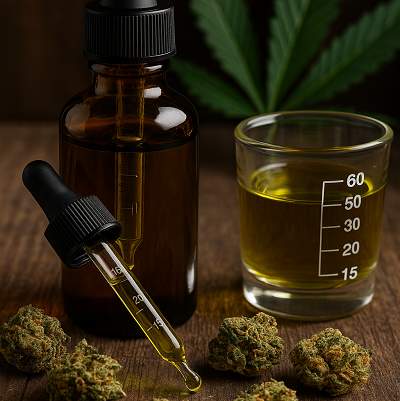
How to Use Cannabis Tinctures: A Beginner’s Guide to Dosage and Uses While many people know about smoking cannabis or using it in edible form, a lot of folks don’t realize there are other ways to consume cannabis besides these two common methods. In fact, cannabis tinctures are becoming increasingly popular due to their ease of use, discrete nature and ability to deliver high levels of cannabinoids in a very precise way. Tinctures are essentially concentrated cannabis that have been extracted from the plant using a solvent such as ethanol or vegetable glycerin. Once the cannabis is extracted, the remaining liquid is a concentrated extract of the plants’ cannabinoids and terpenoids. The tincture can then be consumed orally via drinking, or sublingually (placed under the tongue) in which case the cannabinoids will be absorbed directly into the blood stream. How to Dose Cannabis Tinctures Understanding dosage is essential for beginners. The potency of a tincture depends on THC/CBD concentration, personal tolerance, and method of administration. Because tinctures act faster than edibles but slower than inhalation, moderation and patience are key virtues. Experience Level Suggested THC Dose (per serving) Expected Onset Duration Beginner 1–3 mg 15–45 minutes 2–4 hours Intermediate 3–10 mg 15–30 minutes 4–6 hours Experienced 10–20 mg+ 10–20 minutes 6–8 hours Pro tip: Always begin with the minimum effective dose. Wait at least 45 minutes before increasing. Overconsumption can transform calm introspection into restlessness — a mistake best avoided with patience and awareness. The Benefits of Using Cannabis Tinctures Cannabis tinctures offer numerous advantages over other forms of cannabis including: Precise dosing — with most tinctures you can accurately measure your dosage by simply counting out how many drops you are placing on your tongue or mixing into your drink. Discreetness — tinctures do not require any special equipment and produce little to no smell. Versatility — tinctures can be placed on the tongue and swallowed, added to food or drink, used topically or even applied directly to skin irritations. Long shelf life — if stored properly, tinctures can remain potent for years. The Quiet Authority of a Drop A tincture cannot be hurried; it is a conversation (in the quietness of accuracy) between the plant and the body. It teaches moderation, patience and respect — virtues as important to health as the cannabinoids. Those who enter into the field of cannabis therapeutics will find tinctures good places for initiation — gentle but profound proof that the smallest possible dose of a drug often produces the strongest effect. Discover more about cannabis with Preston cannabis club blog. 

How to Use Cannabis Tinctures: A Beginner’s Guide to Dosage and Uses Read More »

A Guide to Cannabis Edibles: How They Work And What to Expect

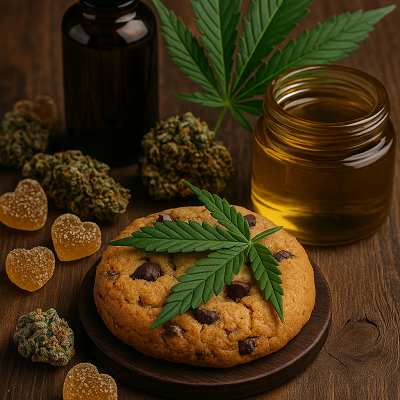
The Role of Cannabis in Modern Medicine: What Science Says The ties that bind man to foodstuffs spiked with cannabis is as ancient as man’s civilization itself — a ritual of taste and change from the sacred Indian bhang lassi through the fathering of brownies of the present day. Today, the edible varieties of the cannabis plant have changed from myth and folklore to a scientific process of controlled euphoria, dancing between gastronomy and pharmacology. If the popularity of cannabis edibles lends itself to full acceptance, few have been made aware of the manner in which they operate in the human body when met with their own unmistakable individuality, nor why the results obtained are so different from those resulting in the inhalation of cannabis. Today Preston cannabis club blog tells more about edibles.  How Cannabis Edibles Work It is well known that when cannabis is smoked or vaporized (the quickest way), the THC immediately is passed from the lungs to the circulation, and a high is experienced almost immediately. Edible cannabis, however, presents an entirely different metabolic pathway: Ingestion and digestion — THC passes through the stomach and the small intestine.  The system absorbs it into the blood stream. Dosage and Individual Response Unlike smoking, where you can sense your limits in real time, edibles demand patience and precision.Even a seemingly harmless dose can lead to an unexpectedly intense experience if underestimated. Experience Level Recommended THC Dose Expected Duration Beginner 2–5 mg 4–6 hours Intermediate 5–10 mg 6–8 hours Experienced 10–20 mg+ 8–10 hours ⚠️ Pro Tip: Always start low and increase gradually. The golden rule: you can eat more later, but you can’t eat less once it’s too late. Types of Cannabis Edibles Cannabis edibles come in many forms; however, they all have one thing in common: a cannabis-based product was added to something you could eat (and drink).  These edible products vary greatly, including: Baked Goods: Most commonly brownies, cookies and other sweet baked goods made with cannabutter or cannabis oil. Gummies & Candies: Ingested through gummy bears, candies, etc., great for precision dosing, small size and discretion. Beverages: Tea, coffee, seltzer water and other beverages that are made with water soluble cannabinoids. Savory Snacks: Such as popcorn, chips and sauces to create different flavors and to expand your palate. Each edible will absorb at a different rate based on how much fat is contained within the product, the specific strain of cannabis used and how it was produced. The effects of consuming an edible The effects of consuming an edible may be described as having a deep, physical sensation while also being mentally stimulating and very sensory. Some users report that their senses seem to become heightened, that they feel a sense of calmness or peace, and that they are able to focus on one thing at a time (often referred to as “time distortion”). However, some users also describe these same effects as overwhelming, especially if they are new to using cannabis products. A user’s ability to control the effects of consuming an edible is directly related to the user’s set and setting when they consume the edible. Set refers to the user’s mental state at the time of consumption (i.e. relaxed, anxious), and setting refers to the environment in which the edible is consumed (i.e. comfortable, stressful). Consuming an edible is an act of surrender to the process of cannabis becoming absorbed into our body; the chemical reaction takes time, and the user must allow themselves to fully immerse in this process. With each bite taken, the user is given an opportunity to nourish their body and to tell a story about their experience. Waiting for the effects to take place and wondering what will happen next creates a narrative, a journey of discovery that invites the user to savor every moment. With the rise of legalization and improvement in cannabis products, edible products are no longer just for indulgence purposes, but rather, they are becoming a means for people to express themselves creatively, to find wellness and to discover themselves. Good experiences, like fine dining, require patience, attention and appreciation of the journey. 

A Guide to Cannabis Edibles: How They Work And What to Expect Read More »

Ten of the Most Popular Cannabis Strains in the UK (2025)

Cannabis Culture in the UK The community around cannabis has continued to thrive beneath strict laws and through medical channels for access, and in 2025, the strains featured below (in terms of most in-demand strain) reflect a mixture of both global tastes and local preferences. Genetics have quickly become a cultural language in which consumers are now choosing cannabis strains based on not only their potency but their flavor or aroma, effect, and reputation. Amnesia Haze – A favourite in UK coffee shops, notable for its citrus aroma and energising high. Blue Dream – A balanced hybrid strain; this strain provides fantastic relaxation without sedation, making it popular with medical users. Gorilla Glue #4 – Famous for their resin-heavy buds and strong body effects. Gelato – Sweet, dessert-like effects with euphoric yet balanced high. Sunset Sherbet – Fruity, calming effects while being an ideal choice for evening sessions. Zkittlez – Candy-like sweet, mellow, social strain that is a favourite when in groups. Wedding Cake – Hybrid strain that has been reported to be potent, sweet, and has earthy notes, with heavy hitting effects. Runtz – A colourful strain made up of tropical flavours that produces a balanced high. Cheese – A strain that was born in the UK; it is still iconic among locals and is pungent with earthy tones. Ice Cream Cake – Rich dessert origins with deeply relaxing effects. Why These Strains Flavor and aroma; terpenes are as much of a reason consumers choose cannabis as THC levels. Potency; many strains today regularly have 20–30% THC levels which has taught consumers the popularity of potency and demand to find a strain that provides it. Culture and hype; through social media and cannabis festivals, certain strains receive more hype than others. Some strains have been recognized for their medical value; these are sought after for relief of anxiety, pain, or as a sleep aid. Emerging Trends The UK is continuing to see a movement towards dessert strains— Gelato, Wedding Cake, Ice Cream Cake, all demonstrate a move from pure strength to experiences with flavour or aroma in sensory consumption styles. While a strain like Cheese is still a cultural icon, showing that legacy genetics still have a place.  Next Steps With discussions around legalization on the horizon in the UK, maybe some of these strains will move from the underground to regulated dispensaries. If that happens, not only now will the brand name matter, but the quality assurance and genetic stability will be as important. On our website’s weed blog, you can find plenty of useful information about cannabis as well as the latest news from the ganja industry.

Ten of the Most Popular Cannabis Strains in the UK (2025) Read More »

Explore the Effect of Cannabis on Blood Pressure: What is Present Medical Evidence

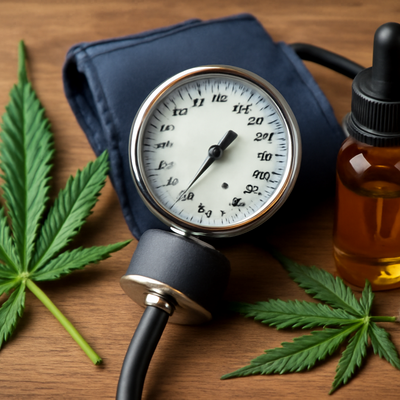
Explore the Effect of Cannabis on Blood Pressure: What is Present Medical Evidence The consumption of cannabis is a personal reaction that can vary significantly in blood pressure through dosage, mode of consumption, or individual physiology. The typical reaction to THC is, then, an increase in heart rate and blood pressure, this reaction can happen within minutes of inhalation. On the back end of the metabolism process, it may end up having a hypotensive effect. Regular tracking of blood pressure would ideally help you identify your personal reaction pattern to cannabis consumption and help identify any concerning trends happening before it becomes an issue. Understanding Strain-Specific Cardiovascular Effects and Interactions Different cannabis strains will exhibit different blood pressure responses because each strain carries different cannabinoid profiles. The cannabis strain must be identified for its physiological interactions with blood pressure based on the specific chemical composition present. Furthermore, each strain will be considerably different making strain selection important for managing an individual person’s cardiovascular health. Type of Strain Percentage of THC Percentage of CBD Blood Pressure Effect Risk to Cardiovascular Health High-THC Sativa 15% – 30% < 1% Initial increase in BP Moderate to High Balanced Hybrid 8% – 15% 8% – 15% Typically moderate fluctuation Low to Moderate CBD-Dominant < 5% in THC 15%-25% in CBD Might stabilize Low High-CBD Hemp <0.3% 10% – 20% Minimal changes to BP Very low Timing of Cannabis Around Actual Physical Activity Using cannabis before exercise can heighten blood pressure fluctuations, and generally increase the cardiac workload without beneficial effects. Some timing recommendations are: Don’t use cannabis 2-3 hours before intense physical activity If you are monitoring blood pressure, particularly monitor it diligently it more often in the first couple of weeks of using cannabis Always time your cannabis use during planned periods of rest or low/low to moderate activity Time patterns should remain the same each time to allow more consistent predictions of bodily responses Coordinate with Healthcare Provider Team In the same way that many prescriptions for blood pressure issues will interact with pieces of the cannabis compounds, cannabis can amplify or decrease the therapeutic levels of those cardiovascular effects. Coordinate monitoring schedules, and dosages with your healthcare provider team to a degree that will usefully modify your cannabis usage pattern in a way to create more effective overall health. Chest pain, severe dizziness, heart palpitations for a long time, and blood pressure values above 180/120mmHg should prompt medical assessments. Likely emergency issues experiencing dangerous cardiovascular responses that should not be dealt with via self-managing options. Responsible use will require regular education, appropriate monitoring by health care providers, and possible medical management adjusted for one’s individual health care profile. The effect of cannabis on blood pressure remains a developing area of medical evidence and research. As more evidence is produced and published, it updates our understanding and ever-changing ways cannabis will affect blood pressure and cardiovascular responses.

Explore the Effect of Cannabis on Blood Pressure: What is Present Medical Evidence Read More »

Potential of Cannabis Extracts to Help Combat Cancer Cells: Expert Views You Should Know

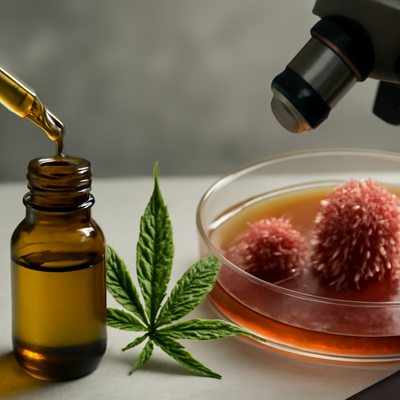
Potential of Cannabis Extracts to Help Combat Cancer Cells: Expert Views You Should Know Recently, laboratory studies have painted a compelling picture: certain cannabinoids in cannabis extracts act in the body with cancer cell receptors in interesting ways. For example, THC and CBD appear to induce cancer cell apoptosis, or programmed cell death, in malignant cells without adversely affecting healthy tissue (to a large extent).    These cannabinoid effects noted on cancer cells reflect a unique precision for cancer treatment as opposed to traditional chemotherapy, which has a kill-all effect on both cancer and healthy cells. Identifiable Compounds with Promise for Cancer Cells The therapeutic action of cannabis compounds is likely rooted in the volume of chemicals it contains. Below is a summary of important distinctions drawn from research today: Cannabidiol (CBD): exhibits anti-proliferative effects on a variety of cancer cell lines Delta-9-THC: claimed ability to suppress tumor growth in some cancer types Cannabigerol (CBG): Carbon 1 which can result in disrupted metabolic use of energy in cancer cells Terpenes: may improve the overall anticancer effects with synergistic action Study Progress of Cannabis Extract Applications to Cancer Cancer Type Study Phase Cannabinoid of Importance Observed Results Treatment Duration Glioblastoma Phase II THC:CBD (1:1) 15-30% tumor shrinkage months Breast Cancer Preclinical High-CBD extract inhibition of metastasis weeks Prostate Cancer Phase I CBG-dominant decreased PSA levels weeks Lung Cancer Laboratory full spectrum extract cell migration inhibition weeks Colon Cancer Phase I/II CBD isolate reduced inflammation scores weeks Pancreatic Cancer Preclinical THC + terpenes increased response to chemotherapy weeks Leukemia Laboratory Pure cannabinoids decrease in blast cell counts weeks Note: This changing data represents preliminary observations in ongoing studies. Acceptable results may differ enormously from individual case analysis while requiring larger clinical trials for confirmation. Observational studies indicate that methods of delivery of cannabis extracts seem to make a significant impact on the ability of compounds to reach cancer cells. Liposomal encapsulation and nanoemulsion technology seem to have demonstrated bioavailability and directed delivery to sites of tumor neogenesis quite effectively. Clinical Research Updates Current human research that focuses on formulations of cannabis extracts as adjuncts to treatment paradigms is gaining traction. Providing optimal doses and identifying the most favorable tumor types to respond to cannabinoids are ongoing efforts. The prospects look bright for cannabis-based cancer treatment, but we are still in the early stages of understanding its full therapeutic value.

Potential of Cannabis Extracts to Help Combat Cancer Cells: Expert Views You Should Know Read More »

Why Do Cannabis Plants Turn Purple?

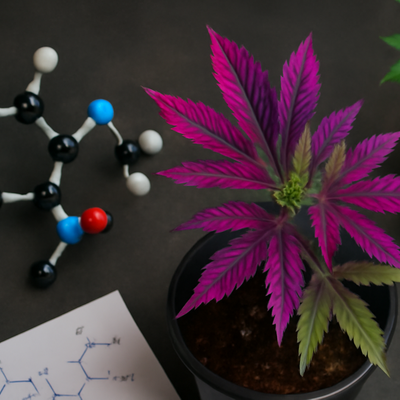
Why Do Cannabis Plants Turn Purple? The vivid purple colors that sometimes show up in cannabis plants have both producers and consumers both entrancing and fascinating, making a whole allure around these plants and their unique colors.   The Processes Behind Purple Coloration Purple pigment in cannabis comes from a compound known as anthocyanin, which is a water-soluble plant pigment belonging to the flavonoid family. These plant pigments create purple, red, and blue colors in a lot of plants, such as blueberries and red cabbage. When cannabis turns purple, anthocyanins will accumulate in the plant’s tissue and the result is the purple coloration that makes some strains visually unique. Genetics The actual ability to produce meaningful amounts of anthocyanins is dependent predominantly on the plant’s genetic traits. Varieties that have developed from other purple varieties, such as Purple Haze, Granddaddy Purple, or Purple Kush, have the genetic traits that enable them to produce anthocyanins (if the right conditions and environmental cues are presented to the plant). Other cannabis plants do not have these specific genetic markers and will not turn purple regardless of environmental factors. Cooler temperatures are the most well-known environmental triggers that prompt the plant to produce anthocyanins. When temperatures at night drop beneath 15°C (59°F) during the flowering stage of a cannabis plant, more anthocyanins may be produced if the strain contains the genetic capability to produce anthocyanins. The temperature drop at night can cause the plant to form anthocyanins once it realizes it will not be able to continue growing in the summer and must prepare for winter dormancy.  Soil pH directly affects the development and expression of anthocyanins and the intensity of purple color produced by anthocyanins. If the soil pH is more acidic (i.e.,between pH 5.5 and 6.5) anthocyanins have been known to produce more vibrant blue and red colors. The same studies demonstrated that more alkaline conditions caused the colors to progress toward blue and purple. Soil phosphorus deficiency can cause purple coloration, but if this occurs, the unexpected purple coloration in the plants indicates stress, not proper production of anthocyanins. The rate at which and the spectrum of the light plants are exposed to will influence when Cannabis Turn Purple. Plants grown under stimulant UV light produce even more powerful purple coloration, as they are under some type of stress, and the anthocyanins are protecting the plant from damage. Too much light can negatively impact a plant’s health, so the level of light needs to be kept under control to achieve the best results for purple cannabis. Typically, purple coloration will emerge during the later stages of flowering; usually during the last 2 to 3 weeks before harvest. Transformation typically starts at the fan leaves and will eventually move into the sugar leaves, and in some plants eventually into the buds (although this can be rare).  Anthocyanins do not produce cannabis with a stronger potency, nor do they produce high-quality cannabis. Anthocyanins can help add complexity to the flavor profiles which might even add berry or grape like notes to the taste, but THC and CBD potency depend on a strain’s genetic developments and the growing conditions, primarily the growing conditions and not the color. The intrinsic value of purple cannabis typically adds a perceived value to the products because consumers can see the purple color(s), but the cannabinoids administered by the cannabis product are what primarily dictate their effects or experience.

Why Do Cannabis Plants Turn Purple? Read More »

Is It Safe to Smoke Cannabis In Extreme Heat (40+°C)?

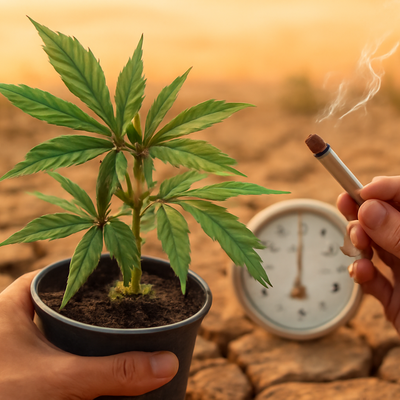
Is It Safe to Smoke Cannabis in Extreme Heat (40+°C)? Extreme heat presents specific challenges and risks for cannabis users that require consideration regarding both acute and chronic health impacts. Using cannabis during an extreme heat event can lead to a potentially dangerous situation when the air temperature is higher than 40°C (104°F).   How Heat Impacts Your Body In times of extreme heat, the human body expends extra effort to maintain normal temperature regulation through a combination of perspiration and increased blood volume in the cutaneous (skin) blood vessels. This process stresses the cardiovascular system, reduces hydration, and increases the risk of heat exhaustion or heat stroke when the external heat source gets close to body temperature. Smoke Cannabis and Heat When you smoke cannabis while being exposed to heat, many physiological changes occur in your body that increase your risk of heat illness. Cannabis has the ability to affect body temperature regulation by affecting the dilation of blood vessels and masking the initial signs and symptoms of heat illness. THC may also impair your judgement about when you are experiencing dangerous heat-related symptoms. Cardiovascular Impacts Cannabis is capable of acutely increasing heart rate, and sometimes blood pressure. Extreme heat causes increased exertion of the cardiovascular system to cool the body. The combination of cannabis consumption and extreme heat increases the workload of the heart and cardiovascular system, and can lead to serious complications for people with underlying cardiovascular disease. Dehydration Cannabis and extreme heat can both contribute to dehydration in different ways. Cannabis use can cause dry mouth and even reduce your awareness of thirst while exposure to extreme heat can lead to fluid loss through perspiration (you must sweat and not perspire). A combination of smoking cannabis and heat exposure will greatly increase your risks of suffering dehydration. Safer forms of use and guidelines to follow If you choose to smoke cannabis during extreme heat, it may be prudent to use other forms of cannabis consumption, such as edibles or vapour-based products which have less respiratory irritants than smoking. Quite obviously, stay in air-conditioned places and drink lots of fluids, but try to discover ways to avoid engaging in outdoor activities during peak heat. The hottest part of the day will typically be between one and four pm. You should also check yourself for indications of heat-related illness, such as dizziness, nausea, or just feeling too tired. When to avoid cannabis in hot conditions If you have a cardiovascular condition or take medications that can impair your ability to regulate body temperature, or will be engaging in outdoor activities in extreme heat for prolonged periods, you should consider not smoking cannabis at all during extreme heat. Population sub-groups that need to be particularly careful about the combination of cannabis use in extreme heat are elderly or people suffering from chronic disease. The most appropriate action for yourself during an extreme heat wave would be to just wait to use cannabis until it cools to some reasonably safe temperature, and put your health and safety first, even if consuming recreational substances (cannabis) is not in the best interest of your health.

Is It Safe to Smoke Cannabis In Extreme Heat (40+°C)? Read More »

How Cannabis Can Help Manage Endometriosis: An Essential Guide for Women

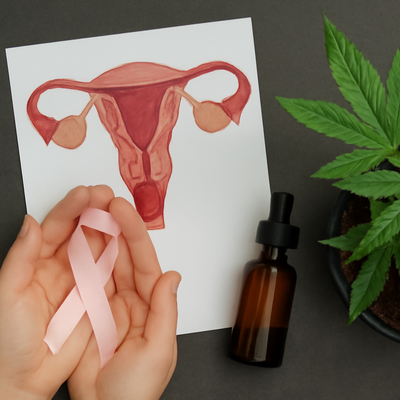
How Cannabis Can Help Manage Endometriosis: An Essential Guide for Women Endometriosis is a disorder affecting millions of women globally. It results in extreme pain and can change and affect the lives of these women. Many women find traditional means of managing endometriosis ineffective and are turning towards alternative means of treating it, including cannabis treatment, to pursue meaningful relief.   What is endometriosis pain? Endometriosis is when tissues resembling those of the uterus grow outside of the uterus. This causes inflammation, adhesions, and pain. Endometriosis is chronic and debilitating. Women suffering from endometriosis can experience pelvic pain, heavy menstruation, digestive issues, infertility and more. A significant portion of women try to manage their endometriosis pain with medications, or incorporate alternative therapies, and are left feeling as though they are not managing their pain effectively. Understanding how cannabis can relieve pain Cannabis contains cannabinoids that influence the body’s endocannabinoid system. For our purposes, we will focus on THC and CBD. These cannabinoids are significant in the body’s pain perception and inflammatory response. THC will relieve pain directly, while CBD provides relief from inflammation, with no psychoactive properties. Both qualities make cannabis effective when treating the complicated symptoms associated with endometriosis. What can cannabis do for endometriosis? Although research is scarce on Endometriosis and Weed combinations, studies have shown endometriosis and cannabis can provide an abundance of other therapeutic benefits including; reducing intensity of pelvic pain, limiting inflammation in the endometrial tissues, or aiding sleep for women who are sleep deprived due to their chronic pain. Many women have also reported massively reducing their reliance upon opioids, when women with endometriosis incorporate cannabis treatment options into their therapies. Ways to consume cannabis and dosing There are a variety of methods in which cannabis can be consumed, each has various benefits when managing endometriosis. As an example, vaporizing cannabis in a vaporizer provides quick relief for acute episodes of pain; edibles can provide longer lasting assessments for chronic symptoms, and topical options or patches can help alleviate localized pelvic pain where you are not planning to experience side effects. Establishing a starting point for dosing is important. Start with low doses and gradually and consistently increase the dosage until you have found an appropriate therapeutic level of dosing with your desired response. Discussing with your healthcare provider When you begin the process of discussing cannabis as a management option for your endometriosis, it will be important to have your health care team integrate Endometriosis and Weed options into your overall treatment plan. Many gynecologists are becoming increasingly educated around cannabis therapies and may help you establish a combined, your unique combo of treatment plans with your standard medications. Keeping detailed symptom journals as you recognize a meaningful response to cannabis treatment options will be beneficial when reporting back to your doctor to help when making adjustments to your overall treatment protocol. Combining cannabis treatment with dietary changes and stress relief practices, and appropriate medical treatment can provide the greatest symptom relief. 

How Cannabis Can Help Manage Endometriosis: An Essential Guide for Women Read More »

Tips for Rapidly Reducing Your Cannabis High

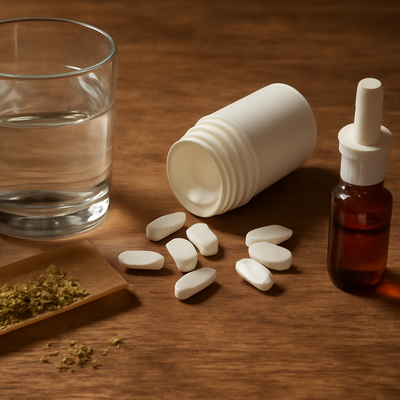
Tips for Rapidly Reducing Your Cannabis High Cannabis overconsumption is something all users, even seasoned cannabis enthusiasts, experience where they are uncomfortably high and looking for quick relief from the cannabis effects. Whether someone over consumed because of misjudging the milligram dosage of an edible, dabbing a potent concentrate, or trying an unfamiliar strain, cannabis highs can cause anxiety and embarrassment. Here are a few effective ways to rapidly reduce cannabis highs safely and effectively.    Hydration and Nutrition Strategies First and foremost, drinking water helps relieve dry mouth and may help dilute the concentration of cannabinoids in the bloodstream. Drinking cold water offers some sensorial grounding and may reduce nausea associated with overconsumption. Do not consume alcohol, which may intensify a cannabis high, as well as create dangerous interactions. Eating light snacks can help stabilize blood sugar levels that may increase anxiety, or discomfort. Do not eat a heavy meal because it may increase nausea or discomfort, and maybe even digestive discomfort, during a high. Deep breathing exercises may provide the fastest initial relief if cannabis effects become overwhelming. Natural Remedies and Supplements Black peppercorns contain caryophyllene, a type of terpene that may function to mitigate THC’s psychoactive effects. Chewing 2-3 whole black peppercorns or inhaling their aroma may provide relief within 15-30 minutes, for most people. CBD may help balance excessive THC effects through its antagonistic behaviour with THC at the cannabinoid receptors in the tissue. Taking CBD — be it certain oils, gummies, or capsules — may help reduce anxiety, paranoia, and other possibly uncomfortable symptoms associated with the effects of THC. Having a CBD product on hand may be wise if you are someone who frequently uses high-THC cannabis. In addition, lemon contains limonene terpenes that might also provide calming effects along with THC-induced anxiety. Physical Activity and Movement Engaging in light physical activity can potentially increase the speed of THC metabolism in the body while providing a distraction from the uncomfortable sensations associated with cannabis overconsumption. Taking a cool shower, or splashing cold water onto your face provides immediate sensory relief and may even facilitate a reset of the current mental state.  Environmental and Mental Strategies Distracting oneself through simple, light, repetitive activities, such as watching familiar programming on the television, relaxing through music, arts and crafts, yoga or other passive hobbies, can help to pass the time while knowing the cannabis effects will generally diminish naturally over time. Mental reminders that cannabis effects are temporary, and will naturally pass, can provide significant psychological support. Cannabis highs have definitive endpoints in durations comparable to traditional drugs; inhalation methods of cannabis have specific durations of effects lasting between 1-3 hours, while edibles can last 4-8 hours. So, keeping this timeline will help provide perspective on the uncomfortable periods. When to Seek Help The vast majority of cannabis over-consumption cases come to natural completion without needing the assistance of health care professionals, but they may be the only solution at certain points of severity. Seek medical attention if you experience sustained vomiting, and symptoms of aggressive dehydration, persistent chest pain or heart palpitations, difficulty breathing, and any thoughts of self-harm. Of course, prevention is the best strategy for avoiding uncomfortable highs. Start with small doses of THC, wait as long as you feel necessary before consuming additional cannabis, and do not mix cannabis with alcohol or other substances. Your understanding of your tolerance, and the proper products will likely help you in avoiding a repeat-overconsumption incident.

Tips for Rapidly Reducing Your Cannabis High Read More »