Cannabis Testing and Analysis

Everything to Know before Smoking Blunts

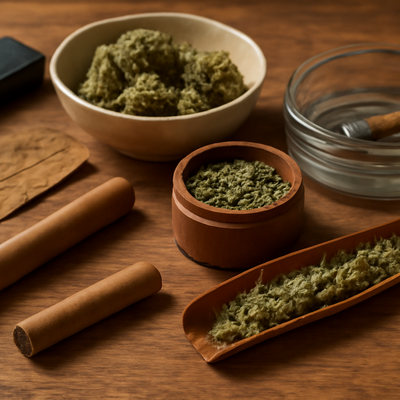
Everything to Know before Smoking Blunts Smoking blunts is one of the most popular forms of consumption in cannabis culture, which combines cannabis flower with tobacco leaf wrappers for a unique experience.    What Blunts Offer Blunts differ from joints primarily by the tobacco leaf wrapper, which has the addition of nicotine and can come with its own unique flavor to the cannabis experience. The tobacco portion provides a unique buzz that is a mixture of cannabis effects combined with nicotine stimulation. Because of the amount of cannabis flower used, sessions smoked from blunts can also last longer than pipes or joints. Another difference is blunt wraps can hold more cannabis flowers than joints. Blunts can hold up to 1-3 grams, while joints generally hold 0.5-1 gram.  Health Risks Smoking blunts carries more health risks than those associated with simply combusting cannabis due to tobacco. With each blunt smoked, the potential for nicotine addiction increases, regardless of whether or not you have a previous history of cigarettes. The combination of smoke from cannabis and tobacco exposes the lungs to more toxins and carcinogens than if you were to simply use cannabis. Additionally, blunt wraps usually have chemicals and additives used to make tobacco commercially ready, and blunt smoking exposes the user to additional potentially harmful substances. Quality of Wraps The type of blunt wrap used is important to your smoking experience, and the quality of the wrap will influence your health advisories. Getting as close to a natural leaf wrap that comes with no flavoring, additional processing will lead to a more enjoyable and cleaner smoke. Most popular brands vary significantly in the tobacco content, quality of parameters, additives, and unique flavors. The quality of cannabis affects your smoking experience for smoking blunts as well. Flowers that have been properly cured will burn evenly, and taste better than poorly processed stuff. The grind of the flower matters for the burn rate, or airflow, with medium-coarse grinds typically the best for rolling blunts. When grinding flower for blunts, avoid using stems and seeds, which can muddle a clean smoking session experience and cause uneven burning. Rolling Blunts Rolling an excellent blunt takes practice and technique. When rolling blunts, do so with wraps that are fresh, and not dry, and pliable to reduce the potential for wrap-breaking during the rolling process. When splitting the wrap, take care to pull the split away from the natural seam of the blunt, which will help you keep the structural integrity of the wrap while removing excess tobacco filling. The distribution of your cannabis flower is also important for an even burn across the whole blunt to prevent runs or canoes that waste material. Also, wet blunt wraps and wet cannabis can help in facilitating a better burn and ease of rolling. Packing the blunt too tight can restrict air flow and packing too loose can produce the loudest and hardest hit you can expect to take. Alternatives and Damage Reduction There are many tobacco-free wrappers using hemp or palm leaves, with flavored papers that can provide similar rolling experiences without the risk of using nicotine. You can also do a better job maintaining habitual use levels by alternating between blunts and other use methods, rolling lower nicotine wraps, or sharing blunts to take smaller portions, and do your best in preserving original use pattern levels, while retaining the social and cultural aspects of blunt smoking.

Everything to Know before Smoking Blunts Read More »
Why Choose Morning Cannabis Use?

Why Choose Morning Cannabis Use? The option to consume cannabis in the morning breaks our stereotypical view of cannabis consumption; focusing on something that is perceived to be an evening time relaxer, where morning use offers a whole host of opportunities that can improve productivity, manage medical symptoms, and improve every user’s daily quality of life.    Increased Focus and Creativity Small doses of Sativa-dominant strains can increase focus and stimulate creative thinking in the morning. The key elements to this are strain selection and controlling dosing, which is required to use energizing/non-sedating varieties. Low doses of THC can trigger dopamine pathways associated with reward and motivation, helping to improve engagement for a task. Many artists, writers, and other creative professionals regularly use cannabis in the morning to help them get over the hurdle of remaining “blocked,” and regain a fresh perspective and cut through confusion or fatigue with a very challenging project. Management of Medical Symptoms Patients with chronic issues also frequently benefit from morning cannabis to support symptom management throughout the day. Morning doses can help to target pain, inflammation, nausea, and anxiety before worsening; supporting intervention for potential issues compared to reactive management; these interventions can help sustain more balanced outcomes over the day. A lot of arthritis patients are reporting that morning cannabis helps reduce daily joint stiffness and pain, which makes engaging in daily activities easier and less painful; and cancer patients undergoing chemotherapy rely on morning cannabis with their onset of nausea to maintain appetite and avoid the shift to severe levels of symptoms. Appetite and Digestive Morning cannabis use may increase appetite in some clients with eating disorders or who are living with chronic illness, medication side effects, and/or are simply struggling with food intake overall. Cannabis can also positively affect the gastrointestinal tract. Morning cannabis consumption may not only help decrease inflammation within the tract but also help increase regularity, which may also mean significantly less time spent in the bathroom.  Strain and Timing Sativa-dominant strains along with higher ratios of CBD will elicit effects that are energizing versus overly sedative. Strains high in the terpenes limonene and pinene can be particularly pleasing as they relate to increased mental alertness and focus. Timing is also important. Consuming cannabis 30 to 60 minutes before contemplating the effects of cannabis helps to properly experience the onset and peak effects at a productive time. The client should be cautious when incorporating heavy indica strains, as those will contribute to that “heavy sedation” which will detract from alertness or impair cognitive performance during times the client needs to be active. Microdosing Using microdosing is the best technique for morning consumption. Microdosing is a casual term used to describe small doses of cannabis (2.5-5mg THC) that provide some therapeutic effect without the intense psychoactive effects sometimes associated with cannabis. The primary benefits of a microdosing regimen are that the client can largely avoid being impaired or overwhelmed, while being  Professional consumers usually opt for consumption methods like edibles or tinctures where the consumption method does not emit a strong odor to others. They also should consider when to consume based on important meetings or work events, so it is clear the peak mechanism of cannabis has happened at times that it does not interfere with work commitment times, rather than interfering with times that are essential to their work day.

Why Choose Morning Cannabis Use? Read More »

Cannabis Guttation: What It Is, and Why It Happens

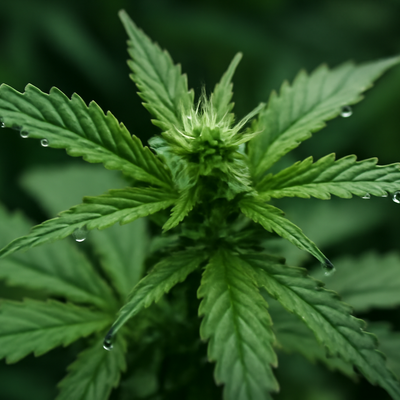
Cannabis Guttation: What It Is, and Why It Happens When cannabis growers observe curious beads of water forming along the edges of their plant leaves, they are experiencing a captivating plant phenomenon called guttation. Guttation differs from dew in that dew forms from moisture in the atmosphere, whereas guttation is the internal hydraulic system in action that causes small, round beads of liquid to form on specialized structures called hydathodes.    What Is Guttation? Guttation occurs as root pressure forces xylem fluid out of these microscopic pores at the margins of leaves and leaf tips. This process typically occurs when there is high moisture in the soil and low transpiration, causing a pressure differential through and out of the plant. So, while it is true that the plant is emitting water, the fluid being expelled is not just plain water. It is a dilute solution made up of dissolved minerals, sugars, and other organic compounds that would also have been absorbed from the growing medium. Therefore, these fluids are a bit sticky, but the amount is minuscule in concentration compared to other plant secretions that likely produce a greater concentration of similar ‘guttation’ droplets. When does cannabis guttation occur? Guttation generally occurs at night or under specific daytime conditions during the early hours, when humidity is high and temperature differences are minimal. This reduces transpiration rate but allows roots to continue absorbing water, causing an imbalance in moisture pressures that leads to guttation. Guttation occurs when plants experience excessive moisture, usually due to overwatering that creates saturation and root pressure. However, when plants are only slightly hydrated, guttation is uncommon because reduced root pressure means there is insufficient force to push water out. Temperature is an important factor that affects guttation. While nighttime temperatures may be relatively cool and decrease stomatal activity, soil temperatures remain warmer and root activity continues, allowing internal pressure to build. Guttation drops differ from other cannabis secretions Guttation drops appear clear to slightly yellow in color, develop mainly at the edges and tips of leaves where hydathodes are concentrated, typically evaporate as temperature increases and humidity decreases, and when evaporated, leave little to no residue on plant surfaces. Trichome secretions are sticky, crystalline to resin-like, and remain on the substrate permanently, ideally visible with magnification. Honeydew from sap-sucking pests appears as random sticky patches on leaves and surfaces, usually with visual signs of damage or infestation. Guttation is not immediately damaging but could signify potential underlying cultivation conditions requiring correction. Some growers appreciate light to moderate amounts of guttation, possibly an indicator of root activity and nutrient uptake. Similarly, if heavy guttation occurs consistently, it may be time to review and adjust your watering, and verify proper drainage and environmental control systems. Control the production of guttation, if necessary, by addressing the environmental factors causing it: Reduce irrigation frequency and volume so that soil does not remain saturated. Blow more air around the crop to increase transpiration rates during sensitive periods. Monitor humidity levels and actively reduce them, if necessary. Check drainage to alleviate saturated conditions. Investigate the time of day you plan to irrigate, when guttation is most likely to occur. Understanding how cannabis guttation can help cultivators correlate physiological signals allows for more accurate interpretation. This insight can facilitate better environmental adjustments and therefore assist with healthier cannabis growth and greater harvest yield.

Cannabis Guttation: What It Is, and Why It Happens Read More »

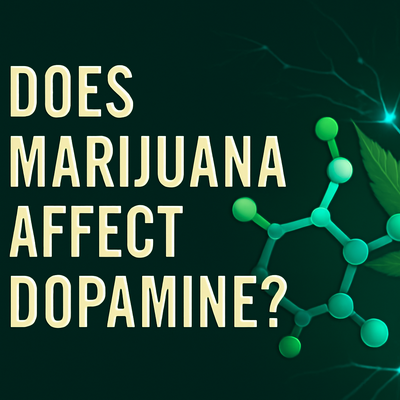
Does marijuana affect dopamine? Understanding The Neural Connection

Does marijuana affect dopamine? Understanding The Neural Connection Marijuana can have a profound impact on dopamine from the THC connection in the brain’s reward system. The THC binding to the VTA neurons induce the dopamine release in the nucleus accumbens, which is the primary reward center of the brain, creating the euphoric feelings when using cannabis.    Mechanism of the Reward Pathway THC’s effect on dopamine follows the same neural pathway and induces a reward in a different mechanism than other substances that produce dopamine. Instead of activating the dopamine cells directly like cocaine or amphetamines would by activating the dopamine neurons, THC works by removing the inhibition on these dopamine cells.  Changes in Dopamine Release: Acute vs Chronic The chronic user of cannabis will display complex changes in dopamine function. While a light user will obtain a rush of dopamine with small amounts of cannabis, most chronic users will experience a different effect over time. The chronic or high-dose users will generally develop a much more blunted increase in dopamine levels with regular use of cannabis. A chronic user will likely need much larger quantities of cannabis in order to get the same effect they experienced before. This is considered tolerance. This adaptation that takes place in the brain is the same adaptation that takes place when someone repeatedly takes THC, the body adapts the repeated use and decreases their ability to produce dopamine and the sensitivity of dopamine receptors. Individual Factors Influence Responses Clearly, genetic factors will impact the effect that marijuana nicotine will have on dopamine release. People with certain genetic profiles have stronger responses to dopamine, meaning they may be more vulnerable to addiction. Individuals with other genetic profiles do not have much dopamine activation resulting from cannabis use. CBD and Dopamine Function In contrast to THC, CBD does not have direct effects on dopamine, and we may even influence THCs dopamine activity. CBD has been shown to decrease dopamine release in the reward circuits of the brain, which could partially explain why high CBD strains have little euphoric release. We cannot conclude anything definitively based on these separate actions because their co-existence seems to be critical to the overall dopamine response.  Consequences of Depressing Motivational Systems Marijuana use has questionable consequences on the motivational systems mediated by dopamine, and there is a possibility that heavy users experience an amotivational syndrome. Those with depressive depressive functioning have less interest in natural reward systems receive norepinephrine, and consequent to dopamine: food, social connections, and achievement outcomes.  Therapeutic dopamine system considerations The effects of MJ on dopamine function may be useful for patients who are dealing with dopamine system dysfunction. Some PD patients report symptom relief when they smoke cannabis, but those primarily because cannabis may impact their indirect support to their dopamine system. Patients with schizophrenia or other mood disorders with similar pathogens promise to experience exacerbations of their symptoms because of THC dopamine-enhancing effects. Age vulnerability to the dopamine system Adolescents are particularly sensitive to the dopamine function impacts of marijuana because the brains are still undergoing development. There is a critical delivery period of THC that may impact the development of the changes in the dopamine system, with long term consequences for performance and susceptibility. Future directions The advances in neuro-imaging and brain scanning continue to find new functions for cannabis interaction and more developmental descriptions about marijuana use. Together with these understandings will offer new perspectives on THC use: tolerance, safety and therapeutic use, and substance abuse and addiction.

Does marijuana affect dopamine? Understanding The Neural Connection Read More »

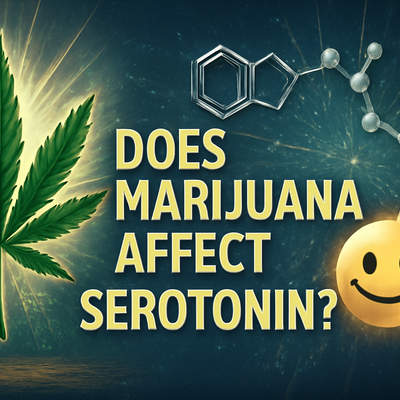
Does Marijuana impact Serotonin? The Complex Interplay of Neurochemistry

Does Marijuana impact Serotonin? The Complex Interplay of Neurochemistry Marijuana interacts with serotonin on a complex neurochemical level, and is the subject of ongoing research by scientists. THC binds preferentially to the cannabinoid receptors, but still eventually alters serotonin systems indirectly and through complex neural connectomes. The reason for this is that cannabinoid and serotonin receptors are located in overlapping sites in the brain associated with accumulated appetite, mood and sleep.    Indirect modulation of serotonin Research suggests THC can elevate serotonin levels in some areas of the brain, and reduce in others. The dorsal raphe nucleus, which is the primary production site of serotonin in the brain also has cannabinoid receptors, and each of the neurotransmitter systems are connected in a feedback loop to the compounds found in marijuana. The issue associated with affect At low doses it is shown that THC and CBD would both have greater serotonin effects as lowering fever. At high doses of THC the effect is paradoxical, increasing doses may actually bring down serotonin activity, in most cases causing anxiety or some other feelings inconsistent with some mood improvements. This biphasic response explains in part why the influence of marijuana on mood does not seem reliable in relation to use and dosing. Considerations on chronic use Chronic use of marijuana might have an effect on baseline serotonin effectiveness. In animal studies chronic THC has impaired serotonin receptors and produced a lowering effect on natural serotonin. Human studies offer little conclusive evidence, some studies suggesting evidence of adaptation of the serotonin system, but not a permanent dysfunction. Neuroplasticity in the brain offers a reasonable expectation that normal serotonin function should return, once stopped. Therapeutic possibilities Understanding the interactions of marijuana and serotonin could suggest a therapeutic direction. The influence of CBD on serotonin receptors offers enormous promise for the treatment of depression and anxiety, and less full-antidepressant side effects. Some researchers would note that there may be advantages in using a multi-target agent (marijuana) that operates on the endocannabinoid system and serotonin as a single target agent. Limitations of research and looking ahead Research at this point is extremely limited due to the legal status of marijuana, and the challenge of researching multi-system interactions. Most studies of serotonin and marijuana are either in animal models, or use synthetic cannabinoids, neither of which captures the neurochemical interaction someone would experience when using cannabis as it would be in real-world applications. The final metric included to consider is the advances in neuroimaging, which are starting to make sense of the specific processes that are occurring related to serotonin and cannabinoids on either side of the crosstalk. Face validity in clinical implications For individuals that are taking medications that influence serotonin, interactions of marijuana and serotonin may require much more consideration, and caution. While it is rare to have the full serotonin syndrome in simple marijuana use, there are serious undesirable outcomes associated with using cannabis with certain antibiotics and certain other medications.

Does Marijuana impact Serotonin? The Complex Interplay of Neurochemistry Read More »

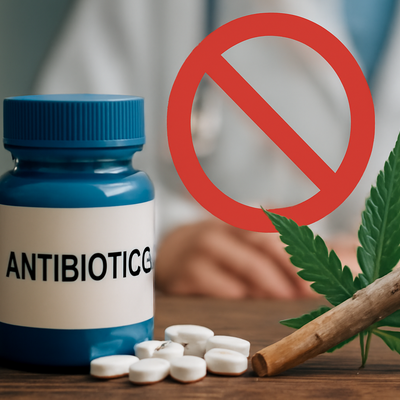
Mix weed with antibiotics: possible side effects

Mix weed with antibiotics: possible side effects Antibiotics are a class of drugs that kill bacteria while cannabis has effects that are mediated through THC and CBD on the nervous system, and immune system. While there are lots of effects of cannabis and antibiotics that are involving the nervous system and immune system that may overlap, and some of the effects of cannabis and antibiotics may directly contradict one another. There is no objective contraindication to smoking cannabis while taking an antibiotic. Common sense is always the best policy.  Affecting the metabolism of antibiotics: Cannabis can inhibit enzyme activity that is produced in the liver, and liver enzymes in the cytochrome family of enzymes specifically. The cytochrome P450 family of enzymes has some clinically important enzymes that metabolize all kinds of drugs, like many antibiotics. Inhibiting metabolic liver enzymes can result in increased (or decreased) concentrations of antibiotics in your blood. Significant increases (or decreases) in concentrations can change the antibiotic’s actions or produce more side effects from the clindamycin. Amplified side effects: Cannabis and antibiotics can have some overlapping adverse effects (ie: dizziness, sleepiness, nausea etc). If you are taking them both at the same time the dosing can amplify the adverse event profile from both medicinal agents – allowing the mixing of two polymerous medicinal plants to amplify side effects (that could make you feel more unpleasant), and it may significantly hinder your abilities to perform tasks requiring your full attention, at 100% of attention. Antibiotics and Immune Response: Antibiotics act on bacteria at a cellular level, whereas cannabis can and does interact with immune function. Some components of cannabis have been suggested as immunosuppressive. Researchers have identified components of the cannabis plant, which they have established a behavioral association to influence immune function. In theory, heavy use of cannabis may change immune response and potentially affect healing, yet we have no hard evidence. What Antibiotics are likely to interact with cannabis? We know that some single antibiotics go through hepatic metabolism where cannabis will affect: a. Macrolides (ie. erythromycin, clarithromycin) — Here there likely will be an interaction simply based on the fact it will affect hepatic metabolism. b. Fluoroquinolones (ie. ciprofloxacin) — Metabolized in part by considering hepatic metabolism, and thus potentially could be influenced. c. Rifampin — Strong hepatic enzyme inducer and can change the effects of cannabis and vice-versa. Most other antibiotics such as penicillins or cephalosporins are excreted unchanged and likely will not have a meaningful interaction. Recommended Approach to Using Cannabis and Antibiotic Use Direct your healthcare provider – You mention cannabis use to your prescriber or pharmacist, so risk assessment can occur if any. Assessment of a fact-based risk while using cannabis can depend on the antibiotic prescribed. Limit Higher Concentration THC – A higher uptake of THC possibly could enhance the side effects to be safer consider low THC or CBD dominant strains if you want to use cannabis. Anticipate Side Effects – Anticipate changes in increased dizziness, increased fatigue, or increased gastrointestinal disturbance and report to your prescriber always be cautious. Do your Round of antibiotics – Stop or make alterations to your antibiotic regimen at your own risk! Do Not do IT unless advised by a medical professional, even regardless of cannabis use. Avoid alcohol or other central nervous system depressants from the mix – Mixing cannabis and antibiotics with alcohol or other forms of CNS depressants could enhance negative side effects. There are very few studies in this field which means individual medicinal outcomes will vary greatly based on the antibiotic, cannabis strain, amount consumed, and individual biology. If you choose to consume cannabis while your healthcare provider has prescribed antibiotics, be informed, communicate with your healthcare providers, and monitor any of those systems in your body affected the most; you may be able to treat your symptoms and manage your recovery without aggravating your health.

Mix weed with antibiotics: possible side effects Read More »

The Truth About CBD for Animals (and What Vets Say)

The Truth About CBD for Animals (and What Vets Say) Cannabis Swab Test: Widely utilized for quick assessments by law enforcement during traffic stops or by employers for immediate screenings, the swab test is adept at identifying THC presence in saliva. Its ease of use and rapid results make it an attractive option for detecting recent usage of cannabis.    Cannabidiol (CBD) is quickly resting as a supplement for companion animals. Owner’s movement toward natural alternatives is often to address conditions that are difficult to manage such as anxiety and arthritis.  Current veterinary literature indicates that CBD has some potential use in managing pain, inflammation, seizures, and anxiety and it has biological plausibility related to the endocannabinoid system (which is expressed in mammals including dogs, cats, and horses). The endocannabinoid system is a complex cell-signaling system that is involved in the control of many biological systems including pain, the immune system, and mood. Studies in the area of veterinary medicine concerning the use of CBD One of the most rigorous scientific studies was conducted at Cornell University, researchers investigated the use of CBD oil in dogs suffering from osteoarthritis. The researchers found CBD oil to reduce pain and improve activity levels in dogs with osteoarthritis. The researchers at Colorado State University recently published research on the use of CBD in both dogs and cats consciously looked at seizure frequency in epileptic dogs. Their findings about dogs found exciting outcomes based on the use of CBD to reduce seizure frequency. Scientists do need more time to formally study CBD in animal populations but the findings of these studies makes them interested in what can be discovered. Risks and benefits of using CBD Inconsistent CBD products is a concern when CBD products either contain little to no CBD or a THC (the psychoactive component of cannabis) concentration that can harm animals. Dogs in particular have more cannabinoid receptors than humans, making them more sensitive to the effects of THC. The possible drug interactions represent a second area of concern. CBD can affect the liver enzymes that metabolize many medications used, potentially making concurrent treatments less effective or even less safe. Pets would be at higher risk for this with pre-existing liver problems or when taking multiple medications. The legal ambiguity adds complications for veterinarians. While the 2018 Farm Bill legalized hemp-derived CBD federally, state veterinary medical boards are also able to regulate the profession with varying degrees of ability to permit veterinarians to prescribe or recommend CBD products. Quality control is the most important, as quality products should have independent labs provide certificates of analysis validating CBD content and contaminants (pesticides, heavy metals, and harmful microorganisms) that are absent from the product. Existing products formulated specifically for veterinary patients will generally have more relevant dosing than those made for human use. The safest way to begin treatment would be with the least amount of CBD and then carefully titrate up to response while keeping track of adverse effects. Typical adverse effects of CBD in dogs after administration include sleepiness, dry mouth (this is usually noted by increased thirst), decreased blood pressure, and sometimes gastrointestinal upset (typically diarrhea). More concerning effects can happen; however, they are not common for the most part, requiring attention from a veterinary professional as soon as possible. Some species of animals have more risks associated with using CBD. For example, animals with liver disease may not metabolize CBD. There are no studies that can substantiate the safety of CBD for pregnant or nursing claims. Puppies and kittens whose nervous systems are still developing represent another situation where caution may be warranted. The future of veterinary CBD With the increasing research into CBD, veterinary organizations are continuing to push for a clear regulatory path that will make it safer and easier to incorporate cannabis-derived products into veterinary medicine. 

The Truth About CBD for Animals (and What Vets Say) Read More »

Sex and cannabis

Sex and cannabis Cannabis has been associated with sexuality for centuries, as documented in ancient texts from many cultures regarding its use as an aphrodisiac. However, modern science is offering a more sophisticated understanding of how cannabis interacts with us as humans (our sexual functioning) and how it can shape our experiences.      Research has demonstrated that cannabis can affect functionings associated with sex by interacting with multiple processes; cannabinoids (mostly THC and CBD) bind with the endocannabinoid system–deriving from the plant Cannabis sativa which has receptors in many body systems–even in genital tissues and brain regions relating to sexual functioning. The endocannabinoid system processes the information about sensation, inhibition, and neurochemical activity related to pleasure and arousal. For many casual users, cannabis messes with the sensory perception of the sexual encounter enhancing the perceptions of sensation, such that the physical sensations of touch become even clearer. Importantly, cannabis can distort our perception of time, which may preshape the feeling that the sexual experience lasts longer. Many users agree that they also have a better emotional connection to their partners than when they are not under the influence of cannabis. Many users in this study suggested that they related their better experience to being less anxious in social situations, which supports cannabis as a relaxing experience. The influence of cannabis on sexual functioning Some studies show moderate cannabis use may enhance female sexual desire and orgasm intensity and encourage a good experience for sex. Many women also reported increased vaginal lubrication and less painful intercourse when they consumed cannabis and may especially be useful to those experiencing dyspareunia (painful intercourse) or vaginismus. For men, however it gets complicated. In some cases, while a number of men report increased desire and pleasure with cannabis, regular or chronic cannabis use has been linked to erectile dysfunction in a few studies, due to cannabis’s effects on testosterone production and cardiovascular function. Some studies suggest that the dosage of cannabis is the key – occasional or moderate use does not seem to lead to the same issues as heavy chronic use. The relaxation effects that cannabis can produce will help men whose sexual dysfunction is primarily related to anxiety or stress.  Dose and variety matter Higher THC varieties often result in increased desire, but the performance may suffer due to the cognitive strain. CBD-dominant strain probably reduces anxiety, but without having strong psycho-active effects. The mode of consumption also has implication – smoking results in a fast onset but the impact is shorter than other forms like edibles, which have a slower onset but the effects last longer. Individual factors are strongly determinative in how cannabis has a sexual effect. Most everything from personality, previous experience with cannabis, environment, relationship dynamics and genetics will influence if cannabis improves or disrupts their sexual functioning.  Long term cannabis use will have different outcomes than occasional use, with regular, heavy users chronic exposure likely resulting in desensitization, increasing the tolerance of the positives of cannabis while limiting the negatives. Some literature in this area mentions that chronic users might also lead to decreased motivation for sex in some people. For those considering using cannabis to improve sex, some initial planning can help set intention – and if you chose to use cannabis, a low dose, an appropriate environment, clear communication with partners, and consent become central considerations. Honestly evaluating each individual’s motivations for coalescing cannabis and sex is the key to developing a health pattern of use while limiting negatives.

Sex and cannabis Read More »

Cannabis and Protein Synthesis: The Effect of Marijuana on Your Body’s Building Blocks

Cannabis and Protein Synthesis: The Effect of Marijuana on Your Body’s Building Blocks Proteins are vital building blocks that do everything from building muscle to fighting infection in your body. Your body creates these proteins through the process of protein synthesis.   How this all Applies to Cannabis Cannabis contains compounds called cannabinoids, with THC and CBD being the most well-known. When you consume cannabis, these cannabinoids enter your bloodstream and begin to interact with a system in your body called the endocannabinoid system. This system is made up of receptors throughout your body.  Cannabis has more than 100 cannabinoids and each cannabinoid modulates the endocannabinoid system (ECS). ECS modulation influences a variety of cellular activity including protein synthesis. Cannabinoids bind to the receptor and initiate an intracellular signaling cascade, which can then modulate the mechanisms of mRNA translation, resulting in proteins being generated. Cannabis and Your Body’s Protein Making Factory The receptors are the intriguing part; when these cannabinoids activate the receptors, they may change how your body processes proteins in several interesting ways: Muscle Building: Some research suggests that cannabinoids may affect the signals that stimulate muscle protein synthesis. This is especially interesting for athletes and fitness enthusiasts that are always looking to maximize muscle growth. One short-term consequence could be a reduction in anabolic signaling after acute use of cannabis to changes in stress hormone levels. Another example would be that chronic use of cannabis and cannabinoids may reduce inflammation and influence recovery, thus influencing protein synthesis. Nerve cell communication: Your brain uses proteins to help the nerve cells communicate. Cannabis has the potential to affect the synthesis of these proteins, which helps account for some of the effects cannabis can have for memory, mood, and cognition. Immune Response: Cannabis can influence the body’s production of proteins related to inflammation and immune function. Appetite Modulation: Ever wonder why cannabis makes you “have the munchies”? Because some of the proteins related to appetite signaling in the brain. Manipulating Synaptic Plasticity  In neural tissue, cannabis compounds that modulate protein synthesis can influence synaptic plasticity (e.g., how neural connections are either weakened or strengthened). Cannabinoids can modulate long-term potentiation and long-term depression by localized drug effects on protein synthesis at the synapse. These cellular effects in neurons can further explain the effects of cannabis on cognition and memory. The Complicated and Variable Relationship Cannabis use and the subsequent interaction with protein synthesis is not a straightforward relationship. There are many variables playing into use and experience. Below are just a few of the controversies: The strain and strain cannabinoid profile The quantity and frequency dose Individual body chemistry If consuming cannabis while exercising or during recovery from exercise, etc. As the science of marijuana rises and more singular, double-blind research studies are outputted, we will understand more about the impacts of cannabis on these very building blocks of life, and if we can harness those interactions for productive healthcare interventions with treatment and recreation.

Cannabis and Protein Synthesis: The Effect of Marijuana on Your Body’s Building Blocks Read More »

Seeking Recovery: Treatment of Cannabis Addiction

Seeking Recovery: Treatment of Cannabis Addiction Help with cannabis addiction begins with recognizing the legitimacy of cannabis use disorder as a clinical condition affecting approximately 9% of lifetime users. Despite persistent misconceptions about cannabis being non-addictive, research clearly establishes that regular, heavy use can lead to dependency characterized by withdrawal symptoms, tolerance development, and continued use despite negative consequences in personal and professional life.  Professional Treatment Options Formal treatment typically begins with assessment by addiction medicine specialists or psychiatrists who evaluate usage patterns, co-occurring mental health conditions, and individual circumstances.  Outpatient programs represent the most common treatment, allowing individuals to maintain daily responsibilities while receiving care. These programs typically combine behavioral therapies with education and support, scheduled around work or school commitments. For more severe cases, intensive outpatient programs offer increased treatment hours while still allowing participants to return home each evening. Residential treatment provides the highest level of care for those with severe cannabis dependency or complicated co-occurring conditions. These programs remove individuals from environments associated with cannabis use, providing structured treatment in a controlled setting for periods typically ranging from 30 to 90 days. Evidence-Based Therapeutic Approaches Cognitive-behavioral therapy (CBT) stands among the most effective interventions for those seeking help with marijuana addiction. This approach helps individuals identify and modify thought patterns that contribute to cannabis use while developing coping strategies for triggers and cravings. CBT typically includes components addressing stress management, emotional regulation, and relapse prevention planning. Motivational enhancement therapy focuses on resolving ambivalence about quitting cannabis by exploring personal motivations for change. This non-confrontational approach proves particularly effective for those in early recovery stages who may feel uncertain about complete abstinence. Contingency management provides tangible incentives for maintaining abstinence, as verified through regular drug testing. This approach recognizes the importance of immediate positive reinforcement during early recovery when natural rewards may feel diminished due to post-acute withdrawal effects. Support Systems and Continuing Care Recovery from cannabis dependency requires ongoing support beyond formal treatment. Twelve-step programs like Marijuana Anonymous offer community-based support specifically tailored to those seeking help with addiction. These free, widely available groups provide peer support, structured recovery principles, and accountability beneficial throughout the recovery journey. SMART Recovery presents an alternative self-help approach based on cognitive-behavioral principles rather than the spiritual foundation of twelve-step programs.  Family therapy and education engage loved ones in the recovery process, addressing dysfunctional relationship patterns that may contribute to continued use while establishing healthy support systems. Many treatment centers offer dedicated family programs that provide education about addiction and guidance for supporting recovery without enabling problematic behaviors. The comprehensive approach to cannabis addiction recovery typically combines several of these elements, recognizing that successful treatment addresses not only substance use but the underlying factors contributing to dependency.

Seeking Recovery: Treatment of Cannabis Addiction Read More »