
Cannabis Testing and Analysis

Cannabis: Therapeutic Relief or a Catalyst for Depression?

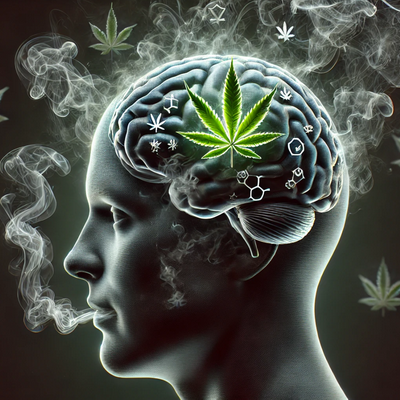
Cannabis: Therapeutic Relief or a Catalyst for Depression? The debate over the impact of cannabis on mental health is highly polarized among researchers and healthcare professionals. With the global rise in both marijuana use and the rate of depression diagnoses, the question of whether cannabis contributes to depression has become critically relevant.  Can cannabis give you depression? Cannabis engages with the endocannabinoid system in the brain, a pivotal network involved in regulating emotional equilibrium, stress response, and mood. Reports vary widely among users; some experience uplifted moods and reduced anxiety, while others suffer adverse effects, including the potential triggering or worsening of depressive symptoms. This variability highlights the need for personalized medical strategies when integrating cannabis into depression treatment plans. Studies have suggested a correlation between chronic, intensive cannabis consumption and the onset of depressive symptoms, particularly noticeable in adolescents and young adults. However, establishing a definitive causal link is complex, leading to ongoing debates about whether cannabis directly causes depression or if individuals with a predisposition for depression are drawn to cannabis as a form of self-medication. The debate extends into the pharmacological composition of cannabis. Differences in THC and CBD concentrations across various strains may induce a range of effects on the nervous system. High THC concentrations are sometimes associated with inducing anxiety or depressive episodes in sensitive individuals, whereas CBD is lauded for its potential anti-anxiety and mood-stabilizing effects. Neuroscientific Perspectives: Recent breakthroughs in neuroscience have shed light on how cannabis affects brain areas crucial for emotional regulation, such as the amygdala and prefrontal cortex. Research in the “International Journal of Neuropsychopharmacology” suggests that THC could disrupt the normal functioning of these regions, potentially leading to emotional instability in susceptible individuals. CBD and Its Anti-Depressive Qualities: In contrast to THC, CBD is increasingly recognized for its potential antidepressant effects. Research documented in “Molecular Biology Reports” illustrates that CBD may modulate the serotonin pathways similarly to traditional antidepressants, providing a potential natural option for mood enhancement. Genetic Considerations: Research into genetic predispositions has revealed that specific genetic markers may increase the likelihood of adverse psychological reactions to cannabis. Findings from “The American Journal of Psychiatry” suggest that genetic variations in dopamine regulation could influence an individual’s vulnerability to depression with regular cannabis use. The interplay between marijuana and depression is influenced by individual-specific factors, including genetic disposition, overall mental health, the motives behind cannabis usage, and the particular chemical makeup of the strains consumed. As legal perspectives on cannabis continue to change, it is imperative to conduct further research to fully understand its impacts on mental health and to equip individuals with the knowledge needed to make informed choices about its use.

Cannabis: Therapeutic Relief or a Catalyst for Depression? Read More »
Investigating Cannabis: Can cannabis give you cancer?

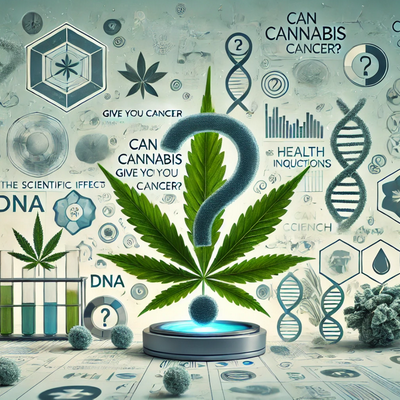
Investigating Cannabis: Can cannabis give you cancer? The ongoing debate about whether cannabis use increases cancer risk remains a complex issue within the medical community. As cannabis becomes more accepted worldwide through increased legalization and decriminalization efforts, it’s crucial to unravel its long-term health implications.      Cannabis contains cannabinoids such as THC and CBD, which engage with the body’s endocannabinoid system. This interaction influences various functions, including pain sensation, mood, appetite, and immune response. These properties support cannabis’s medical use for relieving pain, curbing nausea, and enhancing appetite. Yet, the impact of these cannabinoids on cell growth and their potential to cause or combat cancer is still under intense investigation. Concerns Over Cannabis Smoke Smoking cannabis, much like smoking tobacco, involves combustion that releases various chemicals, some of which are carcinogenic. Despite this, research has not yet conclusively linked cannabis smoke with cancer to the extent tobacco smoke has been—a known contributor to various cancers such as lung, throat, and mouth cancer. Research shows that while cannabis smoke does contain cancer-causing substances, the incidence of cancer among cannabis smokers does not markedly increase compared to non-smokers. This phenomenon might be due to the anti-inflammatory and possible anticancer effects of cannabinoids, which could mitigate the harmful impacts of smoke inhalation. Laboratory studies have revealed that cannabinoids can have varying effects on cancer cells. THC, for example, may induce cell death in certain aggressive cancer strains, yet it might encourage growth in other cell types. On the other hand, CBD is generally celebrated for its anticancer properties, enhancing the effectiveness of traditional cancer treatments and potentially reducing tumor size. This varied impact highlights the importance of detailed research to establish the specific conditions under which cannabinoids could be beneficial or detrimental. Considering Lifestyle Factors The lifestyle choices of cannabis users also factor significantly into cancer risk assessments. Those who also smoke tobacco or heavily consume alcohol might face higher cancer risks, complicating the attribution of risk to cannabis alone. Diet, environmental factors, and genetic predispositions are also crucial in determining cancer risk. Cannabis’s Role in Cancer Care Many cancer patients turn to cannabis to alleviate symptoms and side effects of treatments like chemotherapy. Beyond symptom management, cannabis is being investigated as a potential direct antitumor agent. However, its use in cancer therapy requires careful regulation and medical oversight. The question of whether cannabis can cause cancer does not have a simple answer. Current research suggests that cannabis is unlikely to be a direct carcinogen. Instead, factors like the method of consumption, lifestyle choices, and genetics are crucial in determining its health impact. Continued research is essential to fully understand how cannabis affects our bodies and to delineate its potential risks and benefits in relation to cancer.

Investigating Cannabis: Can cannabis give you cancer? Read More »

Cannabis Withdrawal Symptoms and Their Treatment

Cannabis Withdrawal Symptoms and Their Treatment Cannabis, known for its therapeutic benefits and psychoactive properties, is widely used both recreationally and medically. However, like many substances that can influence the brain’s chemistry, cannabis can lead to withdrawal symptoms when regular use is abruptly discontinued. Understanding these effects and nature of cannabis withdrawal treatment is crucial for users considering cessation or managing their consumption patterns. by Prestoncannabisclub 2 minutes Treatment for cannabis withdrawal Managing cannabis withdrawal involves a combination of lifestyle changes, medical support, and sometimes psychological counseling. Here are some strategies to alleviate the symptoms: Gradual Reduction: Rather than stopping abruptly, gradually reducing cannabis use can help lessen withdrawal symptoms. This method allows the body to slowly adjust to lower levels of THC. Healthy Habits: Engaging in regular exercise, maintaining a healthy diet, and ensuring adequate hydration can help mitigate some physical symptoms. Physical activity, in particular, is beneficial as it stimulates endorphin production, which can improve mood. Sleep Hygiene: Establishing a regular sleep schedule and creating a bedtime routine can help combat sleep disturbances. Avoiding caffeine and screen time before bed can also improve sleep quality. Support Networks: Talking to friends, family, or joining support groups where experiences can be shared and advice offered can provide emotional support. Professional Help. Cannabis Withdrawal Timeline Day 1-3: The first few days are often the hardest. Users may experience intense cravings for cannabis, mood swings, irritability, and sleep disturbances including insomnia and vivid dreams. Headaches and restlessness are also common. Day 4-7: Symptoms generally reach their peak during this period. Emotional disturbances like depression or anxiety may become more pronounced. Users might also notice a decrease in appetite and ongoing sleep issues. Week 2: By the second week, many of the physical symptoms start to subside. However, mood-related symptoms and cravings can persist. Sleep patterns may begin to normalize during this time. Week 3-4: Most acute symptoms usually resolve by the end of the fourth week. Some may still experience occasional psychological symptoms such as mood swings or irritability. Cognitive functions like memory and focus start to improve. Beyond One Month: Some individuals may experience mild symptoms that linger for a few months, commonly referred to as post-acute withdrawal symptoms (PAWS).  Understanding this timeline can aid in managing expectations and in seeking the appropriate support to navigate the withdrawal process effectively. While cannabis is often touted for its low addiction potential compared to other substances, discontinuing its use can still lead to withdrawal symptoms that are both physically and emotionally challenging. By understanding these effects and preparing for them, individuals can better manage their cannabis cessation and reduce the impact of withdrawal on their daily lives. 

Cannabis Withdrawal Symptoms and Their Treatment Read More »

Does Cannabis Actually Kill Brain Cells? Unpacking the Myth

Does Cannabis Actually Kill Brain Cells? Unpacking the Myth The scientific community continues to explore and debate “does cannabis kill brain cells?”, and its broader implications for brain health. As the legalization and acceptance of cannabis for both medical and recreational uses expands worldwide, it becomes increasingly important to grasp its impact on neurological functions and general health. This discussion will scrutinize the available evidence regarding the effects of cannabis on the brain, especially focusing on its potential to cause enduring harm.  by Prestoncannabisclub 2 minutes Cannabis and Brain Function Cannabis engages with the endocannabinoid system in the brain, which is essential for regulating functions like mood, memory, appetite, and pain perception. THC, cannabis’s primary psychoactive compound, binds to cannabinoid receptors in the brain, particularly affecting regions involved in memory, attention, and motor coordination. Short-term Effects In the short term, cannabis effects on the brain include mood alterations, impaired motor skills, and cognitive challenges such as difficulty with thinking and problem-solving. These effects generally diminish after the intoxication fades. However, persistent or heavy use can exacerbate these cognitive disturbances. Long-term Effects Long-term cannabis effects on the brain are complex and currently show mixed research outcomes. Several studies suggest that prolonged use of cannabis, especially when initiated during adolescence, may modify brain structures related to memory, learning, and attention. This can adversely affect brain development in younger users, potentially leading to permanent structural and functional changes. Yet, these findings are not consistently acknowledged across studies, underscoring the need for ongoing research. Direct Impact on Brain Cells While there is scant direct evidence that cannabis kills brain cells, the existing research mostly suggests that cannabis influences how brain cells function rather than outright causing cell death, unlike neurotoxic substances such as alcohol. The extent to which these functional changes are irreversible or lead to notable cognitive decline is still under investigation. Concerns for Youth The impact of cannabis on young individuals’ brains is notably concerning. The brain continues to develop until approximately 25 years of age, and data indicate that frequent and long-term cannabis users under this age may endure worse cognitive outcomes than non-users. These outcomes may include decreased IQ and cognitive impairments. The ongoing debate questions whether these effects are solely attributable to cannabis or if they could also be influenced by other factors like concurrent alcohol and tobacco use. The full scope of this function is still being uncovered, emphasizing the critical need for detailed and careful research. Individuals, particularly the youth, should prudently assess the potential risks and benefits and remain informed about the latest scientific developments regarding marijuana effects on the brain. This informed approach is essential for anyone considering cannabis use, especially given the potential for long-term neurological consequences.

Does Cannabis Actually Kill Brain Cells? Unpacking the Myth Read More »

How long does cannabis stay in your system?

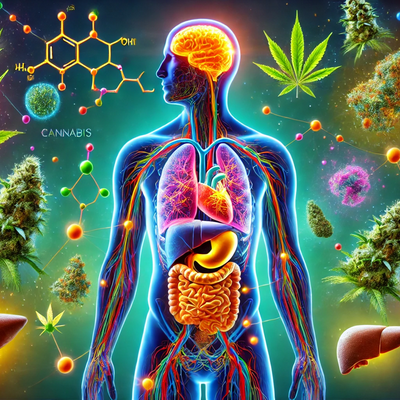
Delving Deeper into Cannabis Retention: Comprehensive Insights into Its Detectability The intricate nature of cannabis and how it is detected in various bodily systems requires an in-depth understanding, crucial for personal, medical, or professional reasons. THC (tetrahydrocannabinol), the primary psychoactive component of cannabis, interacts with the body’s endocannabinoid system.  by Prestoncannabisclub 4 minutes This system affects numerous physiological functions such as mood, memory, appetite, and pain management. These interactions are key to determining how long THC and its metabolites remain detectable in the body. The method of cannabis consumption also greatly impacts its traceability. THC enters the bloodstream rapidly when inhaled via smoking or vaping, causing a swift onset of effects and faster metabolic processing. In contrast, THC is absorbed more slowly when ingested, as in edibles, because it is metabolized by the liver before it reaches the bloodstream, usually leading to longer periods of detectability. Influences on Cannabis Detection Times The period during which cannabis is detectable in the system is influenced by several factors including metabolic rate, usage frequency, and genetic variations. The diversity in enzymes that metabolize THC can drastically alter how quickly cannabis compounds are processed and cleared from the body. How long does cannabis stay in your urine? Urine testing is commonly used due to its extended detection window. THC can be detectable in urine for up to three days in occasional users, but in frequent users, it may remain for 30 days or more. Factors like diet, hydration, and physical activity also impact urine test results by affecting how the body metabolizes fats that store cannabinoids. How long does cannabis stay in saliva? Saliva tests are designed to detect recent usage of cannabis. Detection can begin almost immediately after consumption and may last from 24 to 48 hours. This testing method is frequently utilized in roadside checks by law enforcement to assess immediate impairment. How long does cannabis stay in your hair? Hair follicle testing poses a significant challenge as it can identify cannabis use up to 90 days post-consumption. Drug metabolites are transported to hair follicles through the bloodstream, though external factors like smoke exposure can lead to false positives. How long does it take to get cannabis out of your system?  THC’s high solubility in fats means it accumulates in fat cells and slowly diffuses back into the bloodstream, extending its retention time. Individuals with a higher body fat percentage may experience longer periods of cannabinoid retention. Hydration levels can also influence THC concentration, as well-hydrated individuals typically have more diluted urine, which can affect the detectability of cannabinoids in tests. How long does cannabis take to leave your system? While there is no definitive method to rapidly eliminate THC from the body, certain strategies may aid in the process. Regular physical activity can increase metabolism, possibly accelerating the breakdown of THC-laden fat cells. A diet high in fiber can also facilitate quicker elimination via the digestive tract. Grasping the persistence of cannabis in systems like urine, saliva, and hair is vital for a detailed understanding of its effects and elimination timelines. Personal health, lifestyle, and usage patterns all play crucial roles in how long cannabis remains detectable. Explore the vast world of cannabis knowledge and products at Weed Wonderland. Whether you’re beginning your cannabis journey or are an experienced user, our wide range ensures you’ll find precisely what you need. Visit us today for reliable, premium cannabis products and arm yourself with vital information!

How long does cannabis stay in your system? Read More »

Different Cannabis Detection Methods

Different Cannabis Detection Methods Cannabis Swab Test: Widely utilized for quick assessments by law enforcement during traffic stops or by employers for immediate screenings, the swab test is adept at identifying THC presence in saliva. Its ease of use and rapid results make it an attractive option for detecting recent usage of cannabis.  by Prestoncannabisclub 4 minutes Cannabis Blood Test By measuring the direct levels of THC in the blood, this testing method is effective in identifying recent cannabis consumption, usually within a few hours. Its accuracy is particularly valued in legal scenarios for determining impairment. Cannabis Hair Test Capable of tracing cannabis usage over an extended period, typically up to three months, hair testing is less concerned with immediate impairment and more with longer-term consumption. This feature makes it a favored choice for certain job screenings. Cannabis Saliva Test Bearing similarities to swab tests, saliva testing is another non-intrusive method that can swiftly detect THC post-consumption. It is increasingly used for roadside examinations in areas with stringent drug-driving regulations. Cannabis Urine Test As the most prevalent testing technique for various drugs, including cannabis, urine testing identifies THC metabolites that may persist well beyond the drug’s immediate effects, offering a broader detection window. Cannabis Testing Solutions For individuals looking to gauge their THC levels or verify the cannabinoid content in products, a range of cannabis test kits is accessible: 01. Cannabis Drug Test Kit Aimed at personal use, these kits enable one to test their urine, saliva, or hair for cannabis traces, aiding in personal assessment or preparation for formal drug screenings. 02. Cannabis Potency Test These kits are tailored to measure the strength of cannabis products, offering insights into their cannabinoid composition. Strategies for Passing Cannabis Tests Amid widespread online tips on how to pass a cannabis test, from detoxes to various supplements, it’s critical to understand that such methods may not always be reliable or undetectable under sophisticated testing. Abstinence remains the most effective strategy for clearing THC from the system, with the necessary duration varying by individual usage patterns and physiological factors. Ethical and Regulatory Perspectives The growing acceptance and legalization of cannabis globally raise questions about the ethical and practical aspects of drug testing for cannabis. While roadside cannabis tests and law enforcement practices aim at public safety, the precision and equity of these tests are subjects of ongoing debate. In Summary As society moves towards greater integration of cannabis, the field of drug testing is evolving, marked by technological advancements and shifts in legal standards. Whether concerning cannabis tests in the UK, cannabis saliva test kits, or at-home testing options, grasping the subtleties of each method and the science of THC detection is essential for navigating the intricacies of cannabis consumption and its detection in today’s world.

Different Cannabis Detection Methods Read More »