
Medical Uses of Cannabis

Health Benefits of CBD: Investigating Cannabidiol Medicinal Potential

Health Benefits of CBD: Investigating Cannabidiol Medicinal Potential Cannabidiol, widely recognized as CBD, is emerging as a leading natural supplement, distinct from its psychoactive sibling, THC. Its non-intoxicating nature makes CBD a preferred option for individuals seeking the healing properties of cannabis without the psychoactive high. by Prestoncannabisclub 4 minutes Insights into CBD CBD is derived naturally from the cannabis plant and is celebrated for not causing intoxication, thereby making it ideal for everyday use. This section delves into how CBD interacts with the body’s endocannabinoid system, influencing mood, sleep, and pain regulation without the high associated with THC. Differences CBD and THC Both derived from cannabis, weed CBD and THC impact the body in different manners.THC is notorious for its psychological altering effects, inducing a euphoric state. In contrast, CBD does not have these psychoactive outcomes and instead supports the body’s own endocannabinoid use, potentially delivering anti-inflammatory and pain-relieving benefits. The distinct ways they engage with the brain’s receptors are critical to their differing roles and applications in health treatments. CBD’ s Health Contributions Pain Mitigation: Research suggests CBD could mitigate chronic pain by affecting endocannabinoid receptor activity and reducing inflammation. Mental Health: Initial studies back CBD as a potential therapy for anxiety and depression, serving as an alternative to traditional pharmaceuticals. Neurological Impacts: Findings support CBD’s capability in treating neurological issues such as epilepsy and multiple sclerosis due to its neuroprotective traits. Cardiac Benefits: Studies have shown that CBD may improve cardiac health and decrease blood pressure. Anti-inflammatory Effects: CBD’s anti-inflammatory properties may be beneficial for conditions like arthritis and dermatological situations. CBD in Cancer Treatment Initial research points to CBD’s ability to alleviate symptoms associated with cancer and its treatments, like nausea, with ongoing studies into its anti-cancer properties. Safety and Potential Side Effects While generally safe, CBD can induce side effects such as fatigue, diarrhea, and appetite fluctuations. It is crucial for individuals to consult with medical professionals before starting CBD, particularly due to possible interactions with other medications. CBD Consumption Varieties CBD is available in multiple forms such as oils, tinctures, edibles, and topical solutions, each with distinct benefits and varying durations and onset of effects. Consumers are advised to choose CBD products that provide clear details on sourcing, manufacturing, and independent testing to ensure safety and efficacy. Such transparency is crucial for ensuring the purity and accurate dosage of CBD. Prospective Research and Outlook As research into CBD continues, its potential in medical applications appears promising. Further studies are required to fully assess its long-term benefits and therapeutic capacity for diverse health issues. This detailed guide aims to enlighten readers about the advantages of CBD and emphasizes the need for careful and knowledgeable usage. It highlights the importance of choosing high-quality products and seeking medical advice when integrating CBD into wellness routines.

Health Benefits of CBD: Investigating Cannabidiol Medicinal Potential Read More »

Can Cannabis Make You Hallucinate?

Can Cannabis Make You Hallucinate? Cannabis, known for its relaxing and euphoric effects, is one of the most widely used psychoactive substances. But can it also cause hallucinations? The question is complex, and the answer depends on several factors including the individual’s biological makeup, the potency of the cannabis strain, and the consumption method.  by Prestoncannabisclub 4 minutes Understanding Cannabis and Its Components Cannabis contains numerous cannabinoids, with THC (tetrahydrocannabinol) being the primary psychoactive component. THC interacts with the brain’s endocannabinoid system, particularly with CB1 receptors located in areas associated with cognition, memory, and perception. When THC binds to these receptors, it alters normal brain communication and can lead to various psychological effects, including, at times, hallucinations. Hallucinatory Effects of Cannabis Hallucinations from cannabis are relatively uncommon compared to other hallucinogenic substances like LSD or psilocybin. However, in high doses, especially in potent strains high in THC, cannabis can induce sensory distortions or mild visual and auditory hallucinations. These experiences might include seeing brighter colors, experiencing altered auditory perceptions, or feeling textures more intensely. Factors Influencing Hallucinatory Effects THC Concentration: Strains of cannabis with higher levels of THC are more likely to induce hallucinations. The rise of highly potent strains has increased the chances of experiencing these effects. Individual Sensitivity: Factors such as genetic makeup, existing mental health conditions, and previous exposure to cannabis can influence how one reacts to THC. New users or those with conditions like schizophrenia may be more susceptible to hallucinations. Method of Consumption: Methods that deliver a higher concentration of THC rapidly, such as dabbing or consuming high-potency edibles, are more likely to cause intense effects, including hallucinations. Scientific Studies and Evidence Research on cannabis-induced hallucinations is limited but growing. Some studies suggest that high doses of THC can cause perceptual alterations that some users describe as hallucinations. However, these effects are typically less intense and less common than those induced by recognized hallucinogens. Considerations and Precautions While cannabis is generally considered safe for adult recreational and medicinal use, individuals prone to mental health disorders, particularly psychosis, should exercise caution. The hallucinatory effects of cannabis, though rare, can be distressing and disorienting. Users are advised to start with low doses, especially when trying new strains or methods of consumption. Cannabis can cause hallucinations, but this effect is rare and typically occurs only at very high doses or in particularly potent strains. The majority of cannabis users will not experience hallucinations as commonly understood in the context of psychedelic drugs. As with any substance, responsible use is crucial, and those with a history of mental health issues should consult with a healthcare provider before using cannabis, particularly strains or products high in THC.

Can Cannabis Make You Hallucinate? Read More »

Psychological Effects of Cannabis

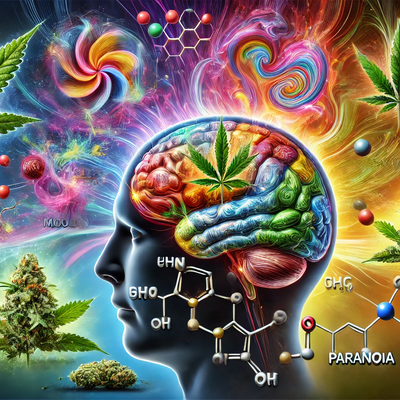
Psychological Effects of Cannabis Cannabis, known for its varied applications both in recreational and medicinal contexts, has been a subject of ongoing research and debate, particularly concerning its psychological effects.  by Prestoncannabisclub 3 minutes Cannabis and Mental Health Cannabis contains several psychoactive compounds, the most notable being THC (tetrahydrocannabinol), which is primarily responsible for the drug’s psychological effects. Understanding how these components interact with the human brain is crucial for grasping the potential benefits and risks associated with cannabis use. Psychological Effects In the short term, cannabis is often sought for its immediate psychological effects such as heightened mood, increased relaxation, and an altered perception of time. Users often report feeling a euphoric high that can enhance sensory experiences making colors seem brighter and music more vivid. However, not all immediate reactions are positive. Some individuals may experience increased anxiety, paranoia, or even panic attacks, which highlights the complexity of cannabis’s effects on an individual’s mental state. The long-term psychological effects of cannabis are a growing concern, especially with increasing accessibility following legalization in various regions. Studies suggest that prolonged and frequent use of cannabis can lead to significant cognitive changes, particularly affecting memory, attention, and decision-making processes. There is also evidence suggesting a potential link between regular cannabis use and an increased risk of developing psychiatric disorders such as schizophrenia, especially in those with a genetic predisposition to the disease. Cannabis and Its Therapeutic Effects on Mental Health On the therapeutic front, cannabis has shown promise in treating symptoms of chronic mental health conditions such as PTSD (Post-Traumatic Stress Disorder), chronic depression, and severe anxiety disorders. Medical cannabis is often utilized to stabilize mood and alleviate stress, providing a sense of calm and well-being that can be hard to achieve with traditional medications. Negative Impact of Cannabis on Mental Health Conversely, the effects of cannabis on mental health are not universally beneficial. For some individuals, particularly adolescents whose brains are still developing, regular cannabis use can be detrimental. Young users are at a higher risk for addiction and may suffer from disrupted brain development leading to impaired cognitive function and increased susceptibility to mental disorders. Cannabis Use in Medical Therapy Within medical settings, the controlled use of medical cannabis can be highly effective. However, it necessitates strict regulations and comprehensive understanding by both patients and healthcare providers to ensure safety and efficacy. Clinical studies continue to investigate the full spectrum of cannabis’ capabilities, weighing its therapeutic potential against possible risks.

Psychological Effects of Cannabis Read More »

Cannabis for schizophrenia

Cannabis for schizophrenia The link between cannabis use and schizophrenia has sparked significant discussion and research in recent years. Given the widespread legalization and increasing consumption of cannabis globally, grasping this association is vital. This article explores whether cannabis causes schizophrenia, examines alternative viewpoints, and reviews key findings from cannabis schizophrenia meta analyses. Cannabis has been used for centuries for medicinal and recreational purposes. In recent decades, its popularity has surged, fueled by movements toward legalization and growing acceptance in society. As cannabis use becomes more widespread, concerns about its potential mental health effects, particularly regarding schizophrenia, have come to the forefront. by Prestoncannabisclub 5 minutes Cannabis and Mental Health Cannabis contains various psychoactive components, primarily THC (tetrahydrocannabinol) and CBD (cannabidiol). THC is known for its mind-altering effects, while CBD is often touted for its potential therapeutic benefits. The impact of cannabis on mental health is complex, with evidence suggesting both positive and negative effects. Can Cannabis Cause Schizophrenia? Alternative Perspectives Despite the compelling arguments, not all researchers agree that cannabis promote schizophrenia. Some studies fail to establish a direct causative link, highlighting the role of genetic and environmental factors in the development of schizophrenia. Critics argue that many studies demonstrating a connection suffer from methodological flaws, such as small sample sizes and lack of long-term data. Additionally, it’s important to consider that schizophrenia is a complex mental disorder with a multifactorial etiology. While cannabis use is often cited as a potential trigger, it is rarely the sole cause of the disorder. For instance, a large body of research emphasizes the importance of genetic predisposition. Individuals with a family history of schizophrenia are at a significantly higher risk of developing the condition, regardless of cannabis use. Moreover, environmental factors such as prenatal exposure to infections, malnutrition, and psychosocial stressors also play crucial roles in the onset of schizophrenia. These factors can interact with genetic vulnerabilities and potentially with cannabis use to increase the risk of developing the disorder. A notable point of debate is the direction of causality. Some researchers suggest that individuals who are predisposed to schizophrenia might be more likely to use cannabis, possibly as a form of self-medication to alleviate early symptoms of the disorder.  Furthermore, recent advancements in neuroimaging and genetic research are providing deeper insights into the relationship between cannabis and schizophrenia. Studies using functional MRI (fMRI) have shown that chronic cannabis use can lead to alterations in brain areas associated with cognitive functions, such as the prefrontal cortex. However, these changes are not universally observed in all cannabis users, suggesting that individual differences, possibly rooted in genetics, modulate the impact of cannabis on the brain. Cannabis Schizophrenia Meta Analysis: Insights from Comprehensive Studies Meta-analysis is a powerful tool in scientific research, combining data from multiple studies to draw broader conclusions. A number of meta-analyses have scrutinized the connection between cannabis consumption and schizophrenia. Understanding this intricate relationship hinges on various factors, including the dosage, usage frequency, and individual vulnerability to the drug. The ongoing debate about cannabis’s role in causing schizophrenia remains unresolved. Although some data suggests a possible connection, other research highlights the complex, multifactorial nature of schizophrenia, indicating that cannabis use is not the sole causative factor. Persistent research efforts, especially through long-term and extensive studies, are crucial to decode the intricacies of this matter. Currently, both healthcare professionals and users of cannabis are urged to proceed with caution and make decisions based on well-informed judgments.

Cannabis for schizophrenia Read More »

Cannabis and Glaucoma

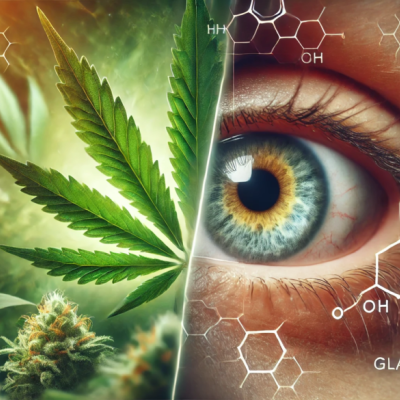
Cannabis and Glaucoma Glaucoma encompasses a series of ocular conditions that threaten the optic nerve—crucial for sharp vision—usually due to heightened pressure within the eye. If not addressed, it may progress to vision impairment. The search for alternative therapeutic options like cannabis is growing, alongside conventional approaches such as surgical procedures and pharmaceuticals. Renowned for both its psychoactive and therapeutic qualities, cannabis is under investigation for its effectiveness against various medical issues, including glaucoma. This discussion delves into examining if cannabis glaucoma treatments can be a viable option.   by Prestoncannabisclub 4 minutes In-Depth Look at Glaucoma The main trigger for glaucoma is the elevated intraocular pressure (IOP) that adversely affects the optic nerve, potentially leading to permanent visual loss. The most common type encountered is primary open-angle glaucoma. Prompt detection and proactive management are essential, as the condition may not show symptoms until significant harm has occurred. Conventional management strategies aim to lower IOP using drugs or surgical interventions, which vary in effectiveness and can have unique side effects. Cannabis Overview Cannabis comprises various compounds, notably THC (tetrahydrocannabinol) and CBD (cannabidiol), which interact with the endocannabinoid system in the body. This system regulates functions like pain, mood, and appetite. Cannabis’s medicinal applications include treatments for chronic pain, epilepsy, and as an antiemetic in chemotherapy. Glaucoma and Cannabis Potential Benefits Studies from the 1970s suggested that cannabis could lower intraocular pressure, potentially aiding glaucoma patients. The focus was primarily on THC, which interacts with cannabinoid receptors in the eye to reduce pressure. However, the enthusiasm dwindled when it became apparent that cannabis’ effects were short-lived, about three to four hours, necessitating frequent dosing to sustain eye pressure reduction, which could lead to psychoactive impacts and other side effects. Over time, research has deepened, targeting specific cannabinoids that might be effective without causing psychoactive effects. For instance, CBD is being researched for its possible therapeutic effects on glaucoma without psychoactive outcomes. Glaucoma: Cannabis and Its Benefits in Treating Disease The use of cannabis for glaucoma treatment hinges on developing new formulations that offer extended reduction of intraocular pressure with minimal side effects. While cannabis may serve as a supplementary therapy providing temporary relief from high eye pressure when traditional medications fail, its practicality as a primary treatment is limited due to the short duration of its effects and the psychoactive nature of THC. Risks and Concerns Potential risks include lower blood pressure and psychological effects. The question of “does cannabis help glaucoma” remains partly unresolved due to the transient nature of its benefits, requiring frequent administration to effectively maintain lower IOP levels. As research progresses, the future role of cannabis in treating glaucoma will likely depend on new pharmaceutical developments that can sustainably lower intraocular pressure without adverse effects. Patients considering cannabis for glaucoma treatment should evaluate the benefits and risks and consult healthcare professionals to make informed choices.

Cannabis and Glaucoma Read More »

Exploring Cannabis as a Treatment for Parkinson’s Disease

Exploring Cannabis as a Treatment for Parkinson’s Disease Parkinson’s disease, a progressive disorder of the nervous system, impacts movement and can cause symptoms like tremors, muscle stiffness, and slowed motions. As it advances, cognitive decline and other non-motor symptoms may also appear. This has led to interest in cannabis, with its varied components, as a possible therapeutic option. by Prestoncannabisclub 3 minutes The Significance of Cannabis Oil in Managing Parkinson’s In the realm of Parkinson’s management, cannabis oil has particularly caught the attention of the community. The conversation around “cannabis oil for Parkinson’s” highlights the role of cannabinoids—active ingredients in cannabis—in symptom management. THC and CBD, the most researched cannabinoids, offer contrasting effects; THC is psychoactive, while CBD is celebrated for its anti-inflammatory and neuroprotective qualities. Potential Benefits of Cannabis for Parkinson’s Symptoms The allure of “cannabis for Parkinson’s” lies in its multifaceted potential to alleviate the disease’s symptoms. Research and anecdotal reports suggest cannabis could be helpful for: 01. Tremors By leveraging the antispasmodic traits of cannabinoids, it may reduce Parkinson’s characteristic tremors. 02. Muscle Rigidity Cannabis could soften muscle stiffness, enhancing mobility and comfort. 03. Bradykinesia Anecdotes indicate an improvement in movement speed in some patients using cannabis. 04. Pain Relief Cannabinoids’ pain-relieving properties might ease Parkinson’s-related discomfort. 05. Sleep Issues Improved sleep quality, including relief from insomnia and REM sleep behavior disorder, has been linked to cannabis use. Considerations and Challenges Despite the optimism surrounding “cannabis and cannabis oil for Parkinson’s,” various challenges need consideration. The effects of cannabis are subjective, necessitating further research to identify the best strains, dosages, and consumption methods. Legal restrictions also play a significant role in accessibility. The Evolving Landscape of Cannabis Research in Parkinson’s Treatment As research progresses, the dialogue on “cannabis for Parkinson’s” continues to evolve, offering insights into how cannabinoids interact with Parkinson’s-affected neurological pathways. Ongoing clinical trials and studies are essential for substantiating cannabis’s benefits, risks, and mechanisms of action in this context. In Conclusion The journey into “cannabis oil for Parkinson’s” and broader cannabis use for symptom management opens a promising path for patients. With a deepening understanding of its neurological effects, cannabis may complement conventional treatments. However, consulting healthcare professionals is crucial for anyone considering cannabis as part of their Parkinson’s management plan. The pursuit of knowledge on cannabis’s role in Parkinson’s care is ongoing, potentially offering significant enhancements to the quality of life for those affected by the disease.

Exploring Cannabis as a Treatment for Parkinson’s Disease Read More »

Understanding ADHD and Cannabis

Understanding ADHD and Cannabis ADHD is a neurological disorder characterized by patterns of inattention, hyperactivity, and impulsivity. Traditional treatments include medication, psychotherapy, and lifestyle adjustments. However, some individuals have turned to “cannabis for ADHD” as an alternative or complementary therapy, citing improvements in focus, sleep, and reduction in impulsivity. by Prestoncannabisclub 4 minutes Choosing Between Indica and Sativa for ADHD The debate over whether indica or sativa strains are more effective for managing ADHD symptoms is a prevalent topic within the cannabis community. The truth is, the impact of cannabis on individuals can significantly vary, making the answer to “which is better for ADHD, indica or sativa?” less clear-cut. Sativa strains are known for their potential to enhance energy and focus, offering possible benefits for ADHD individuals facing challenges with concentration. Conversely, indica strains are famed for their relaxing properties, potentially aiding those dealing with the hyperactive aspects of ADHD. The decision to opt for indica or sativa ultimately hinges on the person’s unique symptoms and their response to different cannabis strains. Top Cannabis Strains for Managing ADHD Symptoms In the quest to find the “top cannabis strains for ADHD,” it’s important to acknowledge the subjective nature of cannabis effects, recognizing that individual reactions can differ. Nevertheless, specific strains have gained recognition from both anecdotal evidence and some scientific research for their potential in easing ADHD-related symptoms: 01. Sour Diesel Esteemed for its invigorating and uplifting qualities, this sativa-dominant variety is noted for enhancing concentration and drive in people with ADHD. 02. Blue Dream This hybrid cultivar strikes a harmonious balance between sativa and indica effects, offering mild euphoria that supports focus while simultaneously easing stress and anxiety. 03. Green Crack Celebrated for its potent energizing and focusing effects, this sativa strain is often chosen by those looking to mitigate distractibility and enhance attentiveness. 04. Strawberry Cough Known for its capacity to boost alertness and focus without causing the unease some encounter with alternative treatments, this sativa variety is a preferred option. 05. True OG For those dealing with the hyperactive and impulsive aspects of ADHD, this indica strain may provide a calming influence and promote better sleep, helping to lessen ADHD-induced agitation.These strains are highlighted for their potential benefits in managing ADHD, but it’s crucial to remember that cannabis affects everyone differently. Experimentation under guidance, along with personal research, may be necessary to discover the most effective strain for an individual’s specific symptoms. Conclusion While the conversation around “cannabis for ADHD” continues to evolve, it’s important to approach this option with caution and informed guidance.Consulting with healthcare professionals familiar with both ADHD and cannabis is crucial before making any decisions about incorporating cannabis into a treatment plan. Additionally, legal considerations and personal health conditions should be taken into account. As research advances, a clearer understanding of how cannabis can be used effectively for ADHD will emerge, potentially offering new hope for individuals seeking alternative or complementary therapies.

Understanding ADHD and Cannabis Read More »