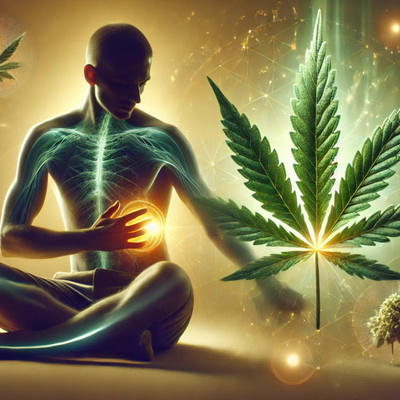

Cannabis: Therapeutic Relief or a Catalyst for Depression?
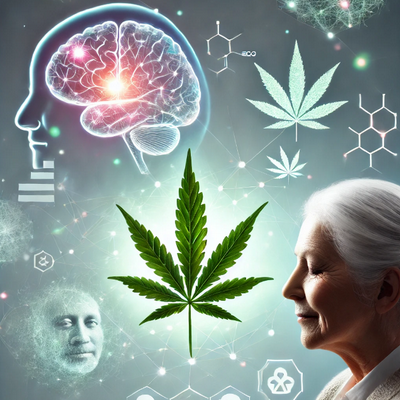
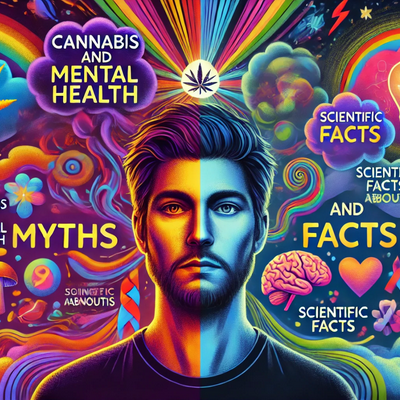
Cannabis: Therapeutic Relief or a Catalyst for Depression? The debate over the impact of cannabis on mental health is highly polarized among researchers and healthcare professionals. With the global rise in both marijuana use and the rate of depression diagnoses, the question of whether cannabis contributes to depression has become critically relevant. Can cannabis give you depression? Cannabis engages with the endocannabinoid system in the brain, a pivotal network involved in regulating emotional equilibrium, stress response, and mood. Reports vary widely among users; some experience uplifted moods and reduced anxiety, while others suffer adverse effects, including the potential triggering or worsening of depressive symptoms. This variability highlights the need for personalized medical strategies when integrating cannabis into depression treatment plans. Studies have suggested a correlation between chronic, intensive cannabis consumption and the onset of depressive symptoms, particularly noticeable in adolescents and young adults. However, establishing a definitive causal link is complex, leading to ongoing debates about whether cannabis directly causes depression or if individuals with a predisposition for depression are drawn to cannabis as a form of self-medication. The debate extends into the pharmacological composition of cannabis. Differences in THC and CBD concentrations across various strains may induce a range of effects on the nervous system. High THC concentrations are sometimes associated with inducing anxiety or depressive episodes in sensitive individuals, whereas CBD is lauded for its potential anti-anxiety and mood-stabilizing effects. Neuroscientific Perspectives: Recent breakthroughs in neuroscience have shed light on how cannabis affects brain areas crucial for emotional regulation, such as the amygdala and prefrontal cortex. Research in the “International Journal of Neuropsychopharmacology” suggests that THC could disrupt the normal functioning of these regions, potentially leading to emotional instability in susceptible individuals. CBD and Its Anti-Depressive Qualities: In contrast to THC, CBD is increasingly recognized for its potential antidepressant effects. Research documented in “Molecular Biology Reports” illustrates that CBD may modulate the serotonin pathways similarly to traditional antidepressants, providing a potential natural option for mood enhancement. Genetic Considerations: Research into genetic predispositions has revealed that specific genetic markers may increase the likelihood of adverse psychological reactions to cannabis. Findings from “The American Journal of Psychiatry” suggest that genetic variations in dopamine regulation could influence an individual’s vulnerability to depression with regular cannabis use. The interplay between marijuana and depression is influenced by individual-specific factors, including genetic disposition, overall mental health, the motives behind cannabis usage, and the particular chemical makeup of the strains consumed. As legal perspectives on cannabis continue to change, it is imperative to conduct further research to fully understand its impacts on mental health and to equip individuals with the knowledge needed to make informed choices about its use.
Cannabis: Therapeutic Relief or a Catalyst for Depression? Read More »