
Understanding Cannabis Tolerance & Breaking Through It
Do you feel like cannabis hasn’t been giving you the same “high” lately? You’re certainly not the only one who’s experienced this phenomenon known as tolerance.
Tolerance occurs when your body becomes accustomed to THC (the active ingredient in cannabis) through repeated exposure. As your body adjusts to THC over time, you’ll likely require larger doses to achieve the same effects that you initially felt. You may find that the “high” feels milder and that the effects of cannabis don’t last as long.
Biological Adaptation & Endocannabinoids
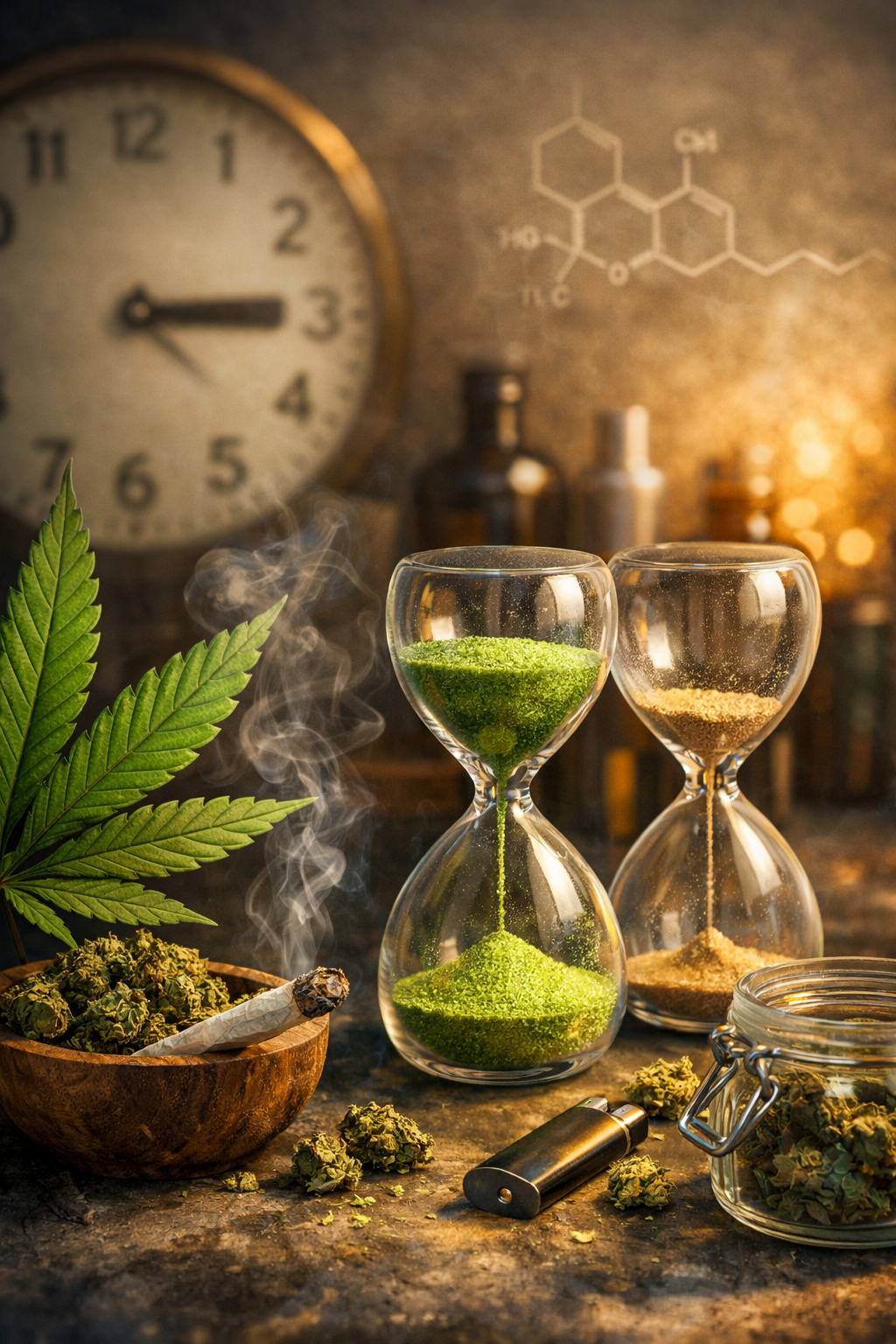
Your body contains an endocannabinoid system (ECS). This ECS is made up of several receptors which assist with regulating your mood, appetite, sleep and stress levels. THC binds to CB1 receptors in your brain; as THC enters into your body repeatedly, your brain will decrease the number of CB1 receptors that are available. Additionally, the CB1 receptors become less responsive. Therefore, even though you’ve ingested the same amount of THC, you’ll receive a diminished response from your body.
Speed of Tolerance Development
The speed at which you develop a tolerance depends upon many factors including how frequently you consume THC, the strength of the THC and whether you’re smoking, vaping, or eating THC products. If you consume large quantities of high THC products daily, you’ll likely build a tolerance to THC more rapidly than if you were to occasionally ingest lower-THC products.
When you eat edibles, you may be more susceptible to developing a tolerance because of the prolonged and powerful nature of their effects.
Signs That Your Tolerance Has Developed
You’ll know your tolerance has developed if:
- You have to take more of THC to relax.
- The euphoria phase lasts for a shorter period of time.
- The effects of THC seem to be milder.
- You feel completely normal much quicker after consuming THC.
- Your body doesn’t respond as vigorously to THC.
What is a Tolerance Break (T-Break)?
A tolerance break, commonly referred to as a “T-break,” is a temporary cessation of cannabis use to provide your body a chance to “reset” your endocannabinoid system.
Even short tolerance breaks (i.e., 48 hours) can aid in:
- Increasing the responsiveness of your CB1 receptors.
- Reducing the quantity of THC you must ingest to obtain the desired effects.
- Improving the overall responsiveness of your endocannabinoid system.
The length of the break will determine how effective the reset of your endocannabinoid system will be. A longer and more consistent break will result in a stronger reset of your endocannabinoid system.
Ways to Manage Tolerance Growth Without Taking a Complete Tolerance Break
There are ways to minimize the development of a tolerance without taking a full tolerance break. These include:
- Taking a smaller dose of THC.
- Switching to products containing a balance of THC and CBD.
- Avoiding the ingestion of THC products multiple times each day.
- Varying the type of terpenes contained within the THC product.
- Micro-dosing (using extremely small amounts) to keep your CB1 receptors in a heightened state of sensitivity.
Is Tolerance Always a Negative?
No, it is not always negative. Some medical patients develop tolerance while managing chronic symptoms. For example, some patients develop tolerance to the adverse reactions of THC such as anxiety or dizziness. However, developing tolerance too rapidly by increasing the dose of THC to chase a “stronger high”:
- Costs money.
- Raises the risks of undesirable side effects.
- Lowers the overall quality of your cannabis experience.
Final Thoughts
Cannabis tolerance is a natural biological response. The more frequently and intensely THC is used, the greater the body’s adaptation will be.
If you think that cannabis has stopped working for you, it is most likely that your body has just become accustomed to the THC and the effects of the cannabis have diminished as a result.
By being cognizant of your dosing, using THC products sporadically and paying attention to the potency of the THC, you can ensure a consistent and pleasurable cannabis experience for years to come.
Learning about tolerance and the methods for breaking through tolerance will enable you to remain in control — instead of allowing your tolerance to control you.